Why it works: Butter and flour are a kitchen classic. They rank in the top 12% of all ingredient pairs, and cooks put them together in 124,287 recipes. Both carry isobutyraldehyde, which smells malty, green. The science ↓
To Boil a Pickled Ox Tongue
Ingredients
Directions
Cook the tongue
Soak the pickled ox tongue in cold water for several hours.
Skewer the tongue from point to root to keep its shape.
Place the tongue in a pot with plenty of cold water. Bring to a boil, skim carefully, then simmer for about 3 hours.
Remove the tongue, dip it in cold water, and carefully peel off the skin.
Set the tongue to cool, using a fork to keep it straight.
Glaze and decorate
Trim the root and prepare the glaze by mixing gelatine, extract of meat, and water or stock; boil and brush the tongue twice with this glaze.
For the beaten butter, mix softened butter and flour, then use a piping bag to decorate the tongue.
Transcribed from a scanned cookbook and modernised for today's kitchens. Where the book gave no heat or time, or said "a moderate oven", the temperatures and times here may be modern equivalents rather than the book's own figures.
Explore the science
The flavor team
The pairs that carry this dish. Each one is judged two ways: how much their aromas overlap, and how often cooks already put them together.
-
Butter + flourtop 12% of all pairsSmell alikelowCooked together124,287 recipes
Shared aroma: isobutyraldehyde (malty, green).
-
Meat + buttertop 16% of all pairsSmell alikemoderateCooked together7,594 recipes
Shared aroma: guaiacol (smoky, sweet).
-
Meat + flourtop 28% of all pairsSmell alikelowCooked together5,529 recipes
Shared aroma: isobutyraldehyde (malty, green).
Butter and flour barely smell alike, yet cooks put them together in 124,287 recipes: they work on texture and structure more than aroma.
Ranks compare each pair with 20,000 random ingredient pairs on CompKitchen. How we score pairs
What each ingredient does
- Pickled ox tongue
- Is the main meat, which becomes tender through long simmering.
- Gelatine
- Sets into a glossy glaze that coats the cooled tongue as it chills.
- Extract of meat
- Adds concentrated meaty savour to the glaze.
- Butter
- Adds richness and fat to the beaten butter used for decoration.
- Flour
- Thickens the beaten butter so it holds its shape when piped.
The step that matters
Simmer gently after boiling. A rolling boil toughens meat proteins and can break up the tongue, so it should simmer slowly after the initial boil is skimmed.
“What each ingredient does” and “The step that matters” were written by Claude from this recipe’s own method and reviewed in samples by CompKitchen.
You might also like
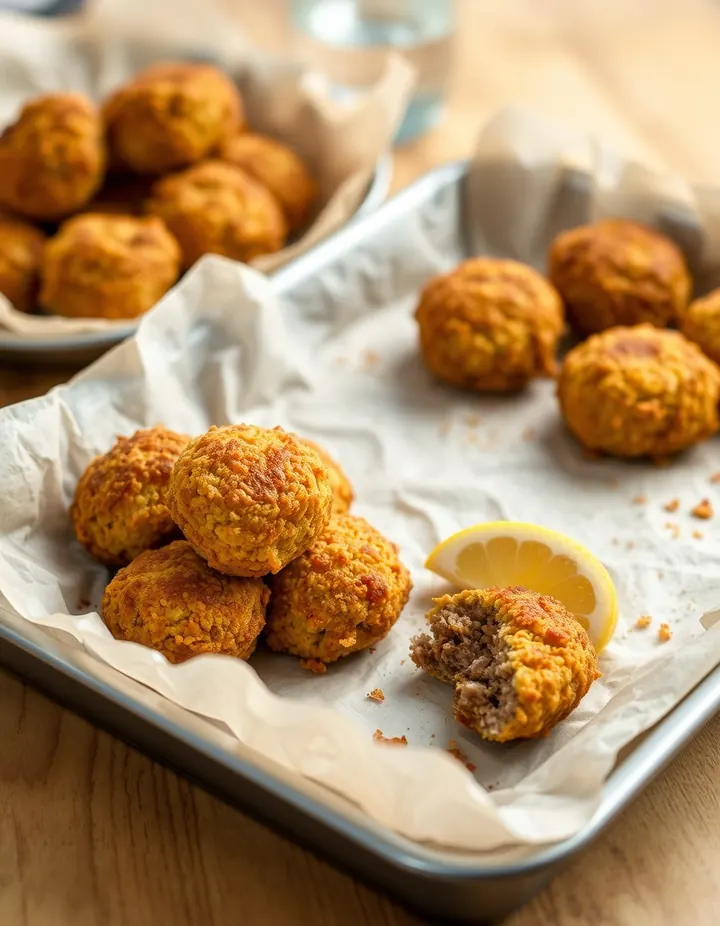 Meat Croquettes52 recipes
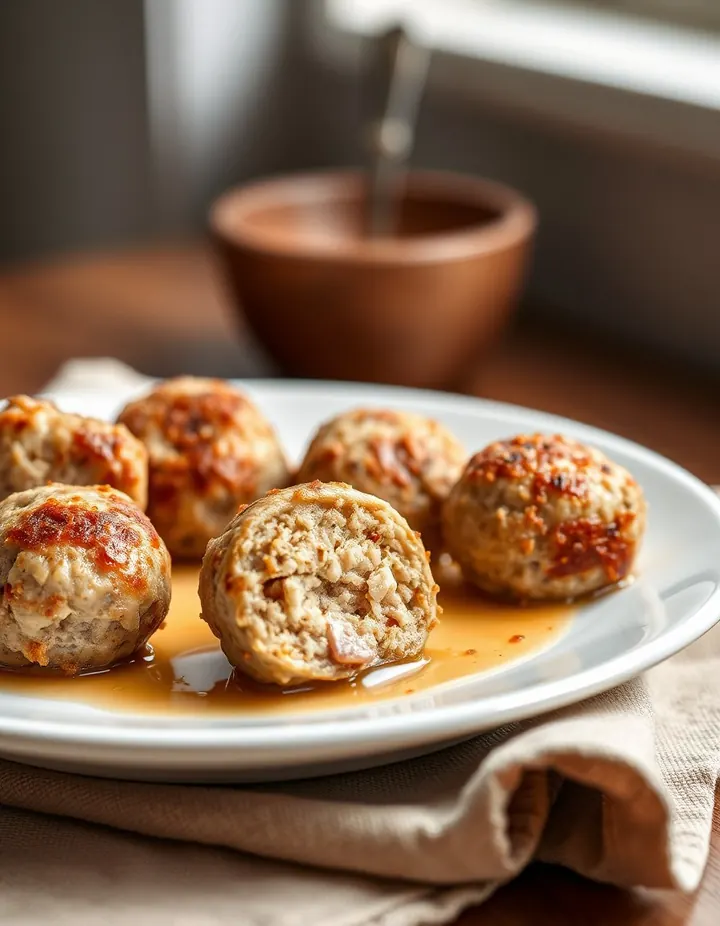 Meatballs37 recipes
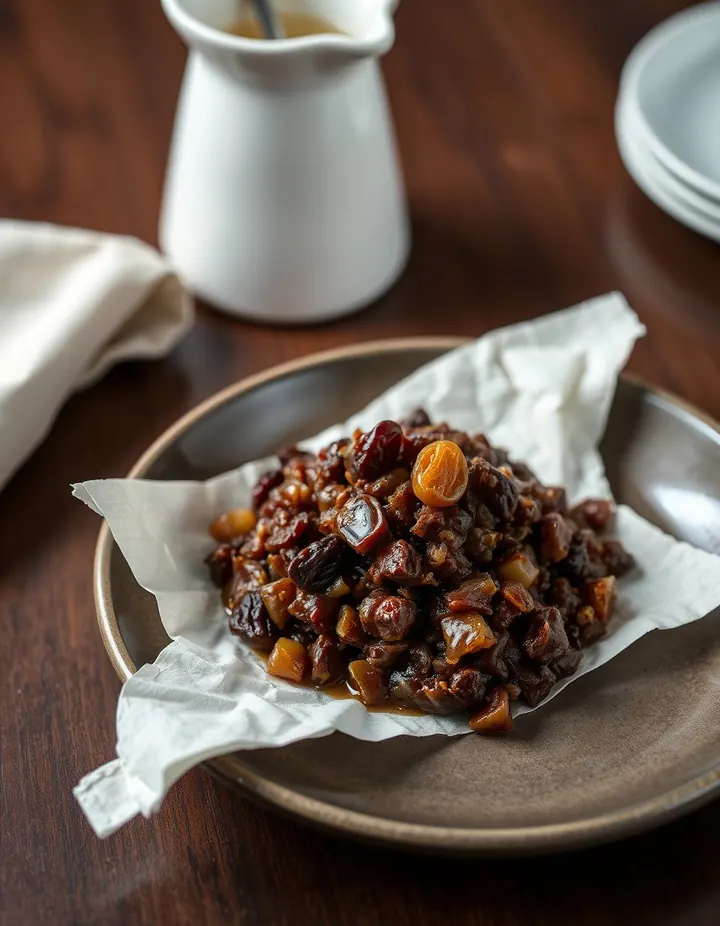 Mince Meat37 recipes
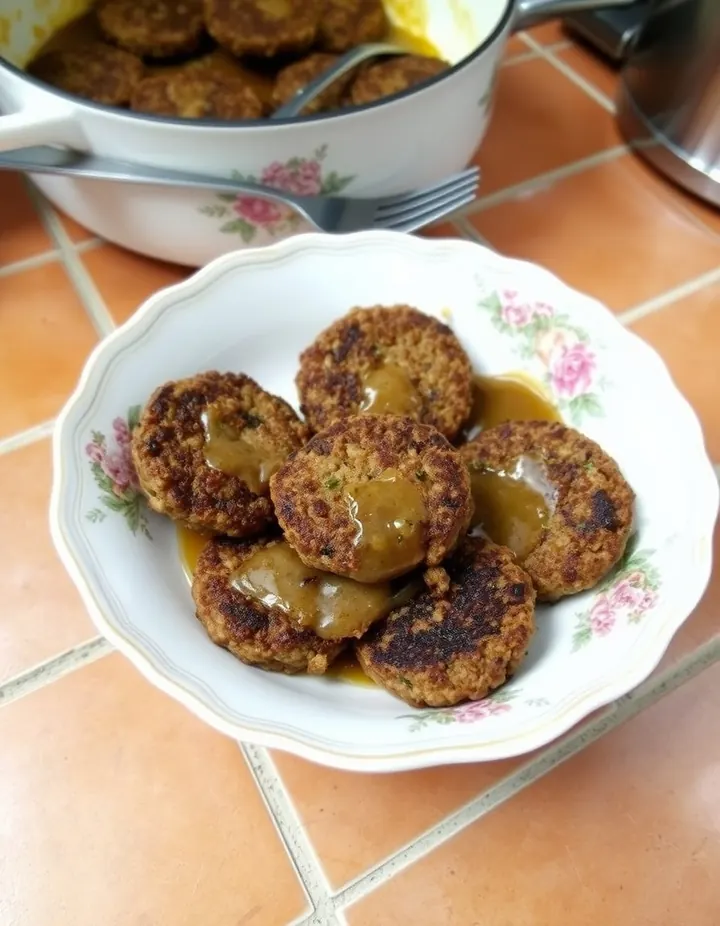 Meat Cakes35 recipes
The free Flavor Lab newsletter: one surprising pairing a week and the molecular reason it works, in 60 seconds. No spam, unsubscribe anytime.
Prefer an account? Create a free account to save pairings and unlock the full chemistry.