Why it works: Beef and flour are a kitchen classic. They rank in the top 25% of all ingredient pairs, and cooks put them together in 10,677 recipes. Both carry isobutyraldehyde, which smells malty, green. The science ↓
Fried Beefsteak
Ingredients
Directions
Prepare
Pound the steak well.
Roll the steak in flour.
Fry and simmer
Heat the lard in a pan until very hot.
Fry the steak in the hot lard until nicely browned.
Add the boiling water and let it boil for 2-3 minutes.
Transcribed from a scanned cookbook and modernised for today's kitchens. Where the book gave no heat or time, or said "a moderate oven", the temperatures and times here may be modern equivalents rather than the book's own figures.
Explore the science
The flavor team
The pairs that carry this dish. Each one is judged two ways: how much their aromas overlap, and how often cooks already put them together.
-
Beef + flourtop 25% of all pairsSmell alikelowCooked together10,677 recipes
Shared aroma: isobutyraldehyde (malty, green).
Beef and flour barely smell alike, yet cooks put them together in 10,677 recipes: they work on texture and structure more than aroma.
Ranks compare each pair with 20,000 random ingredient pairs on CompKitchen. How we score pairs
What each ingredient does
- Beef steak
- Forms the main body of the dish, becoming tender when pounded and then browned in fat.
- Flour
- Forms a coating that browns in the hot fat, giving the steak a crisp, golden crust.
- Lard
- Fat that conducts heat for frying, browning the steak and adding richness.
- Boiling water
- Adds liquid to the hot pan, loosening the browned bits and creating a simple sauce.
The step that matters
Frying in very hot lard. If the lard is not very hot when the floured steak goes in, the coating absorbs fat and steams rather than browning. A properly hot pan sears the surface quickly, which builds colour and flavour and keeps the steak from becoming greasy.
“What each ingredient does” and “The step that matters” were written by Claude from this recipe’s own method and reviewed in samples by CompKitchen.
You might also like
 Roast Beef211 recipes
 Beef Loaf175 recipes
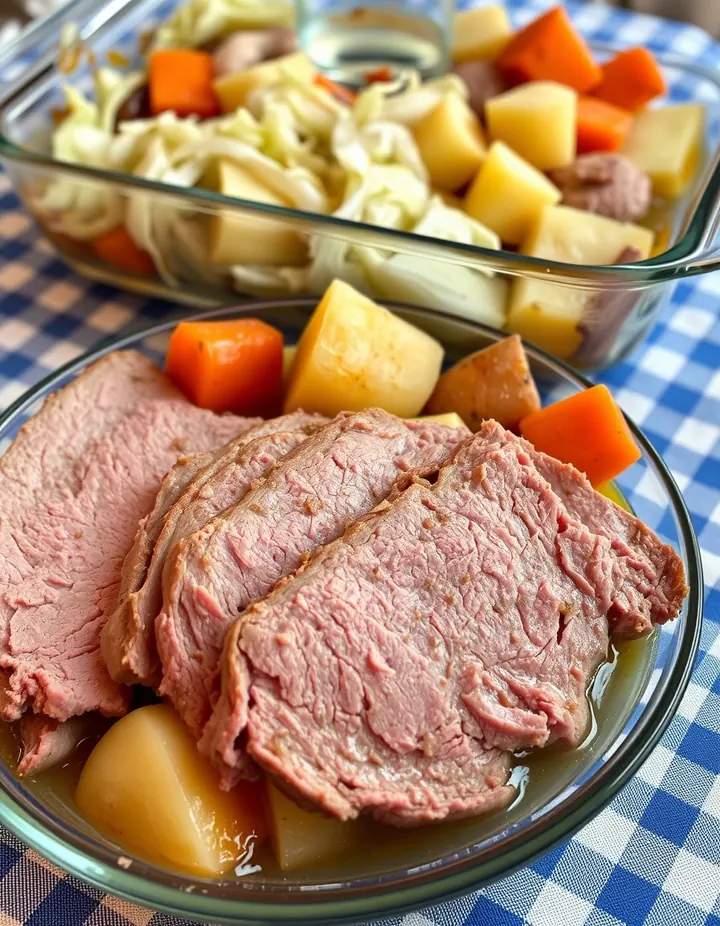 Corned Beef87 recipes
 Beef Broth67 recipes
The free Flavor Lab newsletter: one surprising pairing a week and the molecular reason it works, in 60 seconds. No spam, unsubscribe anytime.
Prefer an account? Create a free account to save pairings and unlock the full chemistry.