Why it works: Pepper and clove match in chemistry and in kitchens. They rank in the top 5% of all ingredient pairs, and cooks put them together in 17,451 recipes. Both carry ethyl octanoate, which smells fruity, wine. The science ↓
To Imitate Westphalia Ham
Ingredients
Directions
Cure
Rub an equal quantity of powdered saltpetre and brown sugar into the hams.
Prepare a pickle by boiling together the salt, brown sugar, black pepper, cloves, sal prunella, and beer until it can float an egg.
Pour the hot pickle over the hams and let them soak for two weeks, turning them two to three times daily and basting with the liquid.
Smoke and store
After two weeks, remove the hams, rub them with bran, and smoke them for two weeks.
To shape like real Westphalia hams, trim the underside of the thick part for a flat appearance before curing, then sew the skin back on.
Store the hams in a barrel of wood ashes, changing the ashes frequently and wiping the hams when removed.
Cook
Simmer the hams slowly for seven to eight hours when ready to cook.
Transcribed from a scanned cookbook and modernised for today's kitchens. Where the book gave no heat or time, or said "a moderate oven", the temperatures and times here may be modern equivalents rather than the book's own figures.
Explore the science
The flavor team
The pairs that carry this dish. Each one is judged two ways: how much their aromas overlap, and how often cooks already put them together.
-
Pepper + clovetop 5% of all pairsSmell alikestrongCooked together17,451 recipes
Shared aroma: ethyl octanoate (fruity, wine).
-
Pork + hamtop 13% of all pairsSmell alikemoderateCooked together2,638 recipes
Shared aroma: 2-acetyl-1-pyrroline (popcorn, roasted).
-
Clove + beertop 13% of all pairsSmell alikemoderateCooked together284 recipes
Shared aroma: ethyl octanoate (fruity, wine).
-
Pork + beertop 14% of all pairsSmell alikemoderateCooked together316 recipes
Shared aroma: 2-furfurylthiol (coffee, roasted).
-
Pork + clovetop 15% of all pairsSmell alikemoderateCooked together4,515 recipes
Shared aroma: ethyl octanoate (fruity, wine).
Ranks compare each pair with 20,000 random ingredient pairs on CompKitchen. How we score pairs
What each ingredient does
- Finest pork hams
- Form the meat that is cured, smoked and cooked into the final ham.
- Coarse sea salt
- Draws moisture out of the meat and seasons it during the long cure.
- Brown sugar
- Adds sweetness and balances the salt in the cure and pickle.
- Stale strong beer or porter
- Supplies the liquid for the pickle and adds malty, roasted flavour.
- Black pepper, ground
- Adds sharp, aromatic heat to the pickle.
- Cloves, ground
- Adds warm, aromatic spice to the pickle.
The step that matters
Testing the pickle strength. The pickle must be boiled until it floats an egg, which shows it is salty and dense enough to cure the meat. A weak brine may let the hams spoil during the two-week soak.
Swap the clove
How well each one fits the dish's main ingredients (pork, ham, sugar, pepper, beer):
- Clovethe original
- Thymefits about as well
- Gingerfits about as well
- Marjoramfits less well
Fit is the average pairing score against pork, ham, sugar, pepper, beer. Candidates are from the same food group and used in at least 100 recipes.
“What each ingredient does” and “The step that matters” were written by Claude from this recipe’s own method and reviewed in samples by CompKitchen.
You might also like
 Pork Cake107 recipes
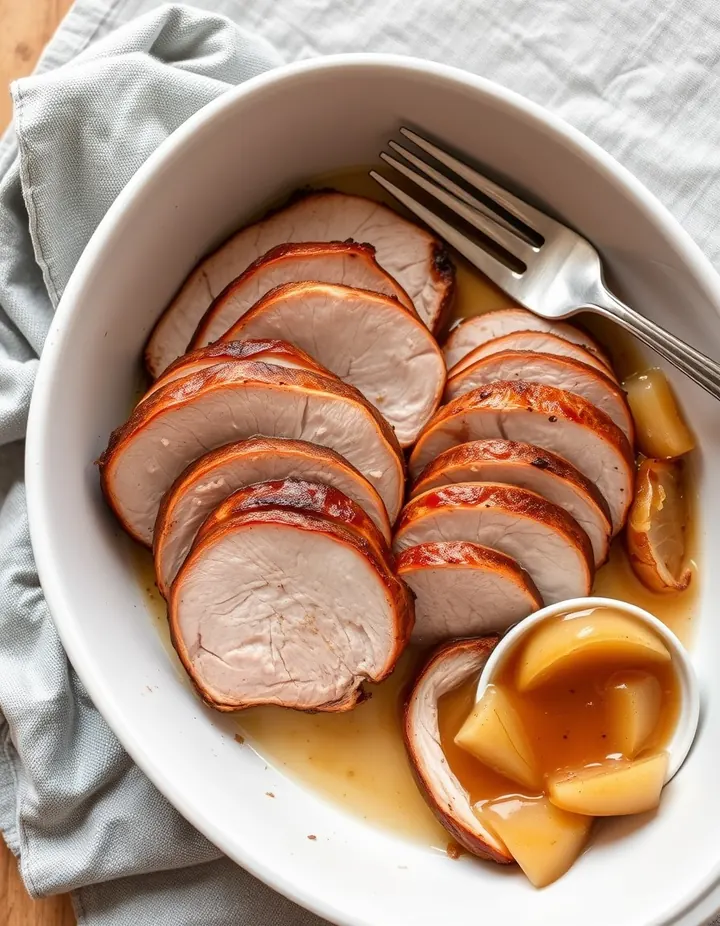 Roast Pork82 recipes
 Tomato Soup526 recipes
 Brown Bread461 recipes
The free Flavor Lab newsletter: one surprising pairing a week and the molecular reason it works, in 60 seconds. No spam, unsubscribe anytime.
Prefer an account? Create a free account to save pairings and unlock the full chemistry.