Why it works: Mushroom and shallot are a kitchen classic. They rank in the top 4% of all ingredient pairs, and cooks put them together in 1,982 recipes. Both carry 2,4-decadienal, which smells seaweed. The science ↓
Plaice Fillets with Wine Sauce
Ingredients
Directions
The book gives no oven temperature. The 350°F (175°C) in the steps was added when the recipe was transcribed, as a starting point.
Prepare the fish
Remove the black skin from the fish and cut it into 2 or 3 evenly sized fillets.
In a buttered sauté pan, place the fillets and season with pepper and salt.
Moisten the fillets with the wine and about 1 tablespoon of mushroom liquor.
Add the mace and halved shallots to the fillets.
Cover the fillets with buttered paper.
Cook the fillets in a 350°F (175°C) oven for about 15 minutes, depending on thickness.
Make the sauce
Prepare a white roux by melting the remaining butter and mixing in the flour.
Moisten the roux with ½ cup fish stock, a little hot milk, and the liquor from the fillets.
Stir the roux until it boils.
Let the roux simmer for 10 minutes.
Slice the mushrooms and season them.
Strain the sauce.
Add the egg yolk to the sauce and heat it just enough to bind the ingredients.
Stir in the mushrooms.
Serve
Serve the fish with the sauce poured over it, garnished as desired.
Transcribed from a scanned cookbook and modernised for today's kitchens. Where the book gave no heat or time, or said "a moderate oven", the temperatures and times here may be modern equivalents rather than the book's own figures.
Explore the science
The flavor team
The pairs that carry this dish. Each one is judged two ways: how much their aromas overlap, and how often cooks already put them together.
-
Mushroom + shallottop 4% of all pairsSmell alikemoderateCooked together1,982 recipes
Shared aroma: 2,4-decadienal (seaweed).
-
Shallot + flourtop 6% of all pairsSmell alikestrongCooked together2,081 recipes
Shared aroma: isobutyraldehyde (malty, green).
-
Mushroom + buttertop 7% of all pairsSmell alikemoderateCooked together12,525 recipes
Shared aroma: trans-2-decenal (waxy, orange).
-
Wine + mushroomtop 8% of all pairsSmell alikemoderateCooked together2,632 recipes
Shared aroma: 2-methoxy-4-propylphenol (allspice, anise).
-
Butter + fishtop 12% of all pairsSmell alikemoderateCooked together4,488 recipes
Shared aroma: (z)-4-heptenal (biscuit, cream).
Ranks compare each pair with 20,000 random ingredient pairs on CompKitchen. How we score pairs
What each ingredient does
- Plaice
- The main protein, which cooks gently in wine and its own liquor to stay moist.
- Butter
- Enriches the roux and adds richness and flavour to the sauce.
- Flour
- Thickens the butter into a roux that gives the sauce body.
- Egg yolk
- Enriches and binds the sauce when heated gently, giving it a smooth, thicker texture.
- Mushrooms
- Add earthy flavour and texture to the finished sauce.
- Chablis or sauterne wine
- Moistens the fillets and adds acidity and aroma to the cooking liquor.
The step that matters
Heat the sauce just enough to bind the egg yolk. Egg yolk thickens through gentle heat, but if the sauce gets too hot it can curdle or scramble, leaving it grainy instead of smooth.
Swap the mace
How well each one fits the dish's main ingredients (wine, mushroom, butter, shallot, flour, fish, egg):
- Capersfits better
- Tarragonfits better
- Thymefits better
- Macethe original
Fit is the average pairing score against wine, mushroom, butter, shallot, flour, fish, egg. Candidates are from the same food group and used in at least 100 recipes.
“What each ingredient does” and “The step that matters” were written by Claude from this recipe’s own method and reviewed in samples by CompKitchen.
You might also like
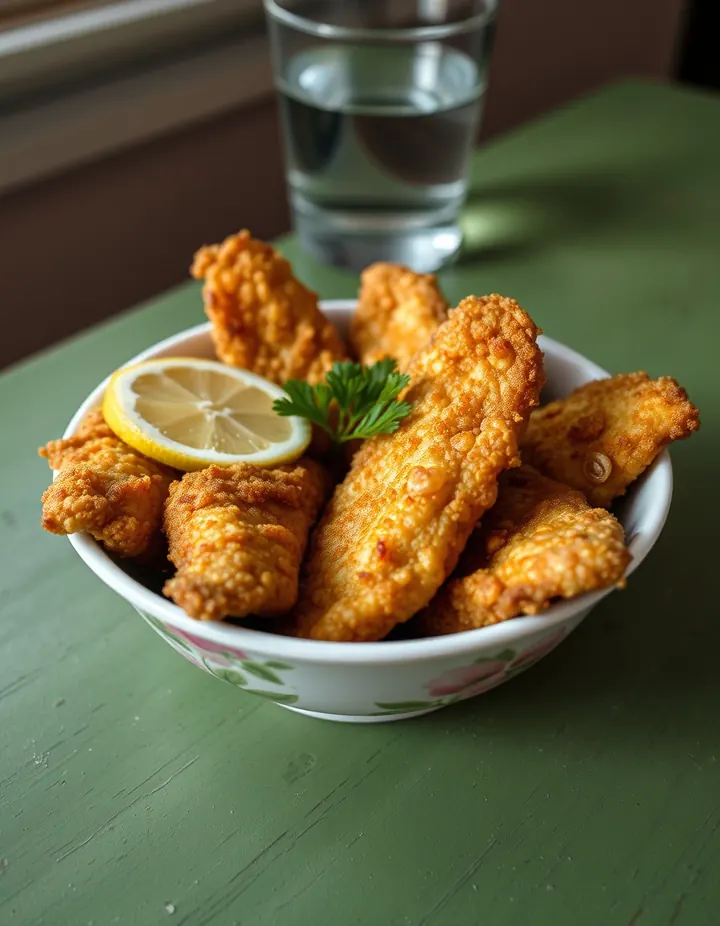 Fried Fish120 recipes
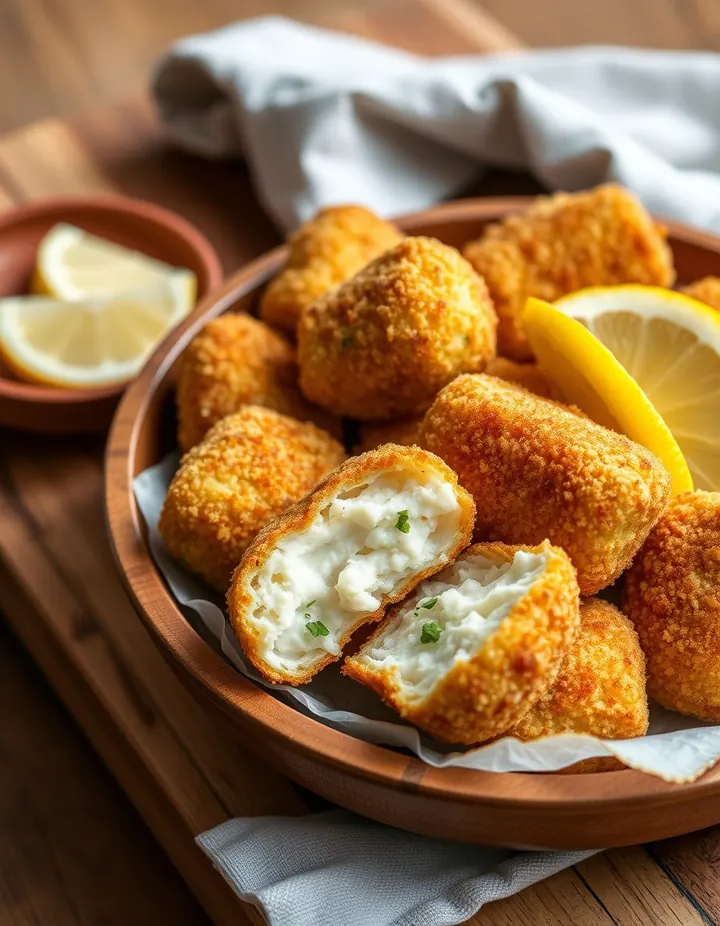 Fish Croquettes81 recipes
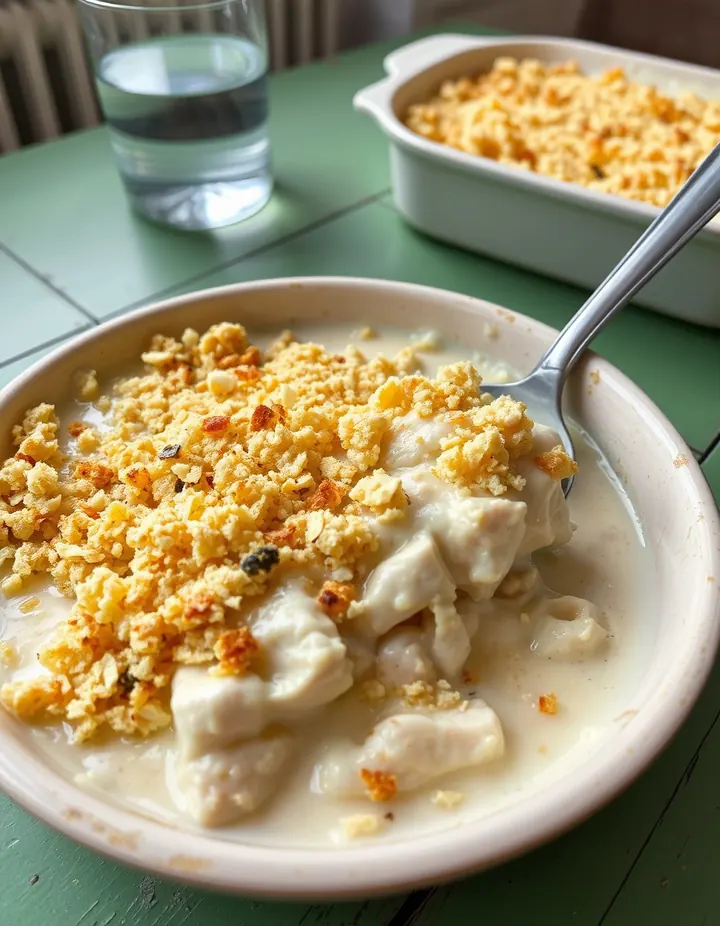 Scalloped Cod69 recipes
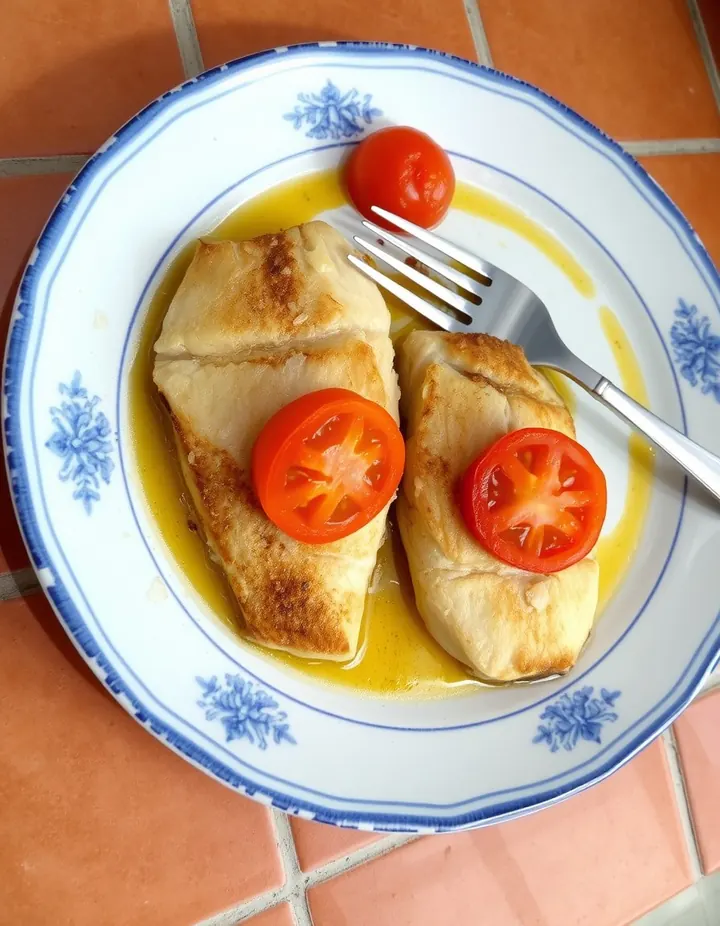 Broiled Fish68 recipes
The free Flavor Lab newsletter: one surprising pairing a week and the molecular reason it works, in 60 seconds. No spam, unsubscribe anytime.
Prefer an account? Create a free account to save pairings and unlock the full chemistry.