Why it works: Butter and wine are a kitchen classic. They rank in the top 13% of all ingredient pairs, and cooks put them together in 8,645 recipes. Both carry 2-furfurylthiol, which smells coffee, roasted. The science ↓
Sherry Wine Sauce
Ingredients
Directions
In a mixing bowl, beat together the sugar, butter, sherry wine, and eggs for 30 minutes.
Heat the mixture in a saucepan until it is scalded, but do not let it boil.
Transcribed from a scanned cookbook and modernised for today's kitchens. Where the book gave no heat or time, or said "a moderate oven", the temperatures and times here may be modern equivalents rather than the book's own figures.
Explore the science
The flavor team
The pairs that carry this dish. Each one is judged two ways: how much their aromas overlap, and how often cooks already put them together.
-
Butter + winetop 13% of all pairsSmell alikemoderateCooked together8,645 recipes
Shared aroma: 2-furfurylthiol (coffee, roasted).
-
Butter + sherrytop 14% of all pairsSmell alikemoderateCooked together3,505 recipes
Shared aroma: ethyl octanoate (fruity, wine).
-
Butter + eggtop 17% of all pairsSmell alikemoderateCooked together118,967 recipes
Shared aroma: decanal (soap, orange peel).
-
Sugar + buttertop 17% of all pairsSmell alikemoderateCooked together98,233 recipes
Shared aroma: guaiacol (smoky, sweet).
-
Sugar + eggtop 21% of all pairsSmell alikemoderateCooked together122,807 recipes
Shared aroma: 2-nonenal (fatty, green).
Ranks compare each pair with 20,000 random ingredient pairs on CompKitchen. How we score pairs
What each ingredient does
- Eggs
- Bind the mixture and thicken it as it heats, giving the sauce body.
- Butter
- Adds richness and a smooth, silky mouthfeel to the sauce.
- Fine white sugar
- Sweetens the sauce and helps give it a smooth, glossy texture.
- Sherry wine
- Adds acidity and a distinctive nutty, aromatic flavor.
The step that matters
Heat until scalded, not boiling. Eggs can curdle or scramble if overheated, so the mixture should be heated gently until steaming and just scalded. Boiling risks a grainy texture and a thin, broken sauce.
“What each ingredient does” and “The step that matters” were written by Claude from this recipe’s own method and reviewed in samples by CompKitchen.
You might also like
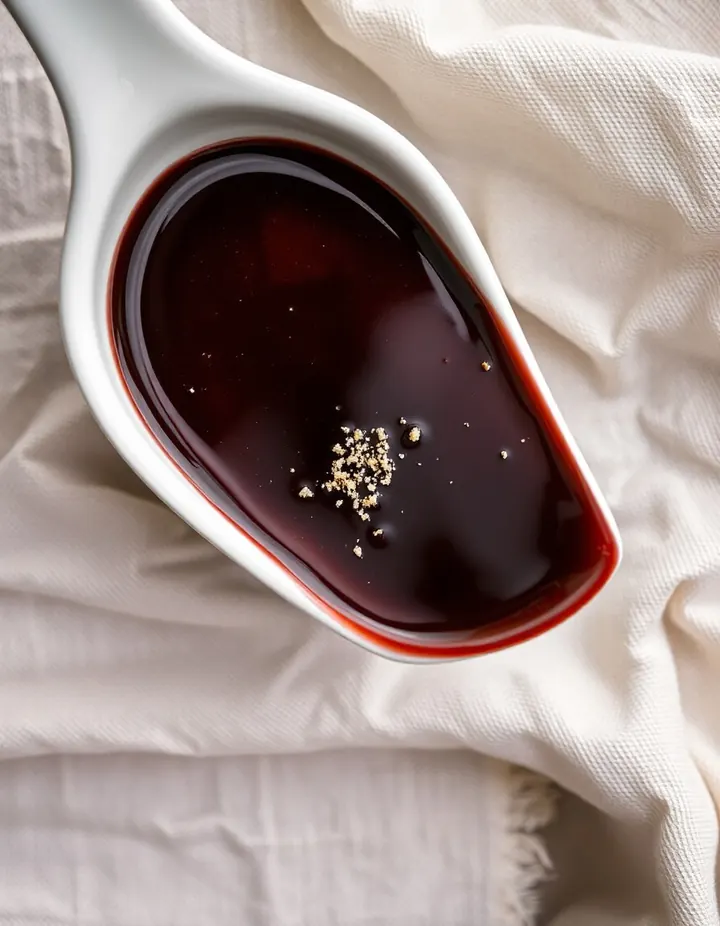 Wine Sauce (for stewed fruit)186 recipes
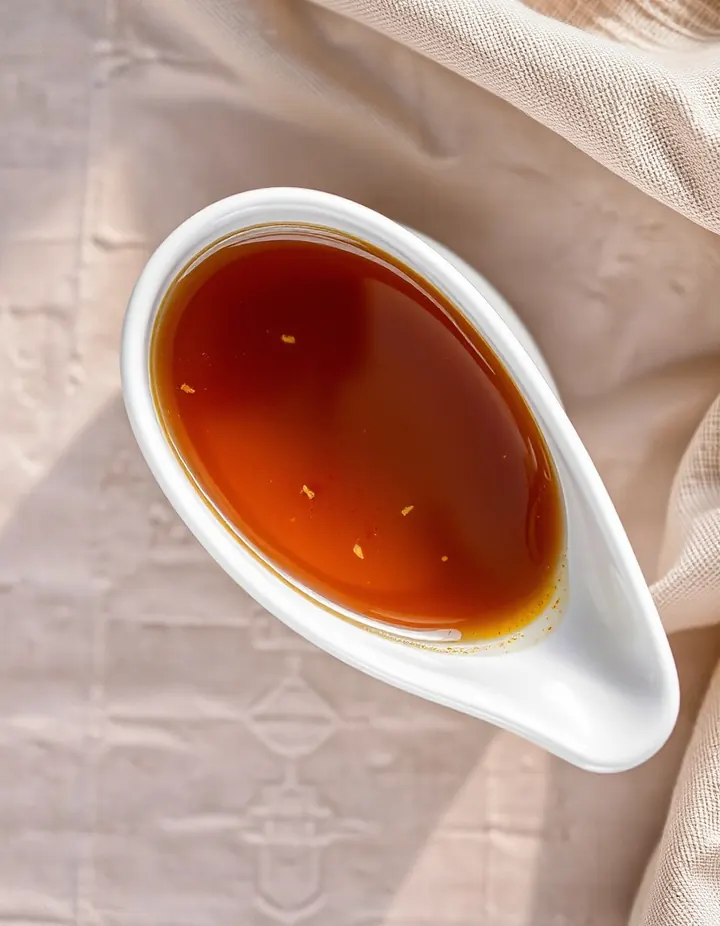 Wine Sauce for Sweet Puddings6 recipes
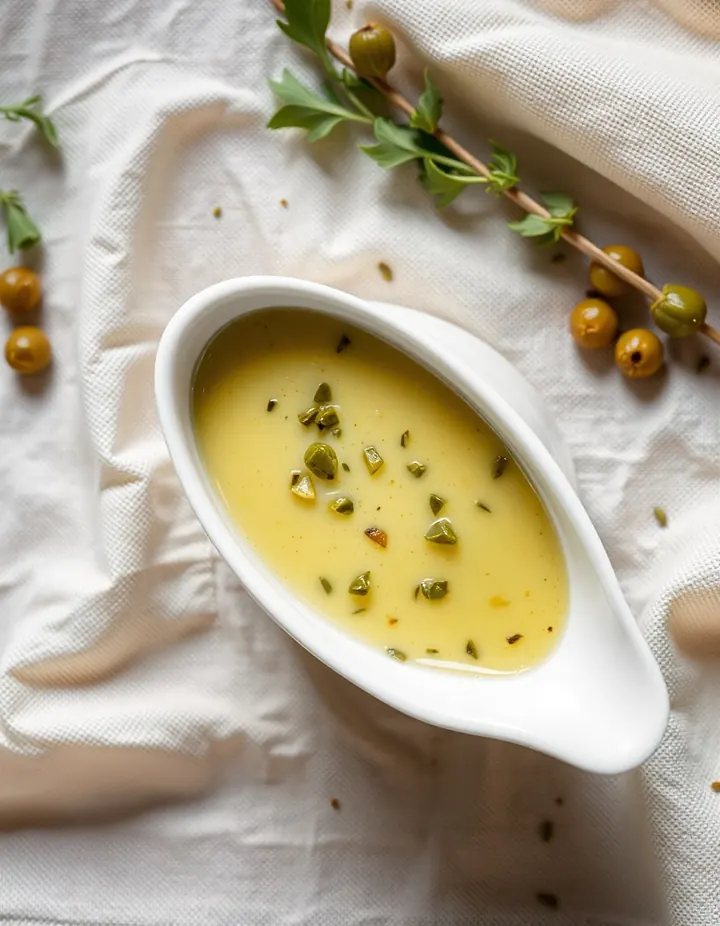 Caper Sauce180 recipes
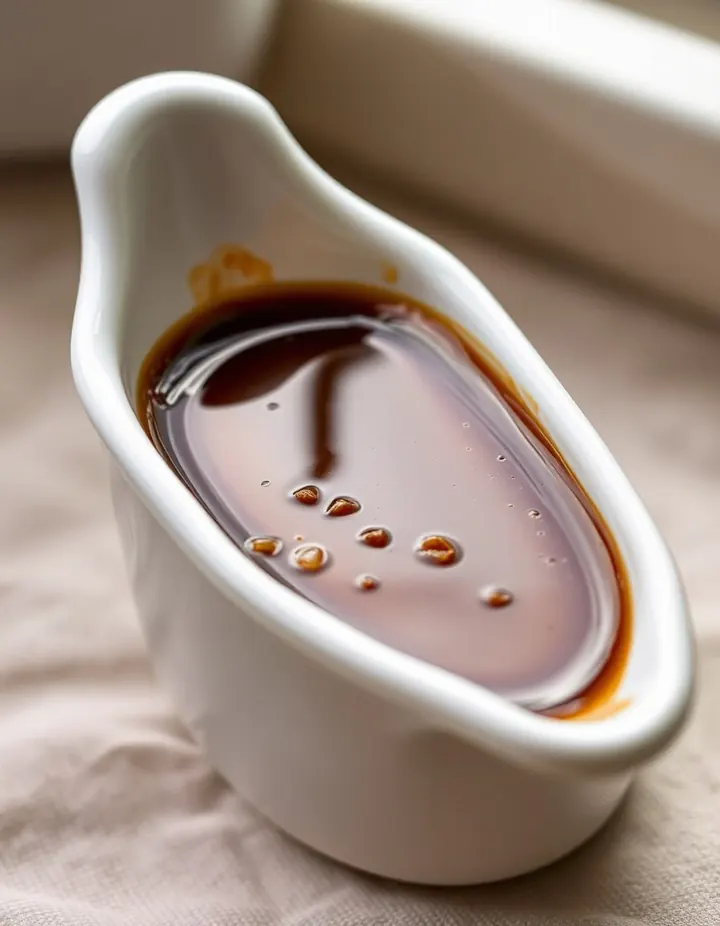 Brown Sauce141 recipes
The free Flavor Lab newsletter: one surprising pairing a week and the molecular reason it works, in 60 seconds. No spam, unsubscribe anytime.
Prefer an account? Create a free account to save pairings and unlock the full chemistry.