Why it works: Thyme and marjoram match in chemistry and in kitchens. They rank in the top 1% of all ingredient pairs, and cooks put them together in 2,225 recipes. Both carry terpineol, which smells pine, woody. The science ↓
Stuffed Ham
Ingredients
Directions
The book gives no oven temperature. The 300°F (150°C) in the steps was added when the recipe was transcribed, as a starting point.
Prepare the ham
Soak the ham in cold water overnight.
Cut off the hock just above the joint and wash it carefully.
Weigh the ham and boil it in a pot covered with cold water. Allow 30 minutes to start boiling and 15 minutes for each pound.
Keep boiling water on the stove to maintain coverage of the ham.
Turn the ham halfway through cooking.
Check doneness by inserting a fork into the bone; it should come out easily.
Peel off the skin and trim if necessary.
Make the stuffing
Prepare stuffing by mixing bread crumbs, milk, allspice, cloves, cayenne, thyme, marjoram, celery seed, butter, and raw egg.
Stuff and bake
Make incisions in the ham about 2 inches apart and fill with stuffing.
Rub the ham with the beaten egg yolk and sprinkle with cracker dust. Bake in a slow oven at 300°F (150°C) for 1 hour.
Transcribed from a scanned cookbook and modernised for today's kitchens. Where the book gave no heat or time, or said "a moderate oven", the temperatures and times here may be modern equivalents rather than the book's own figures.
Explore the science
The flavor team
The pairs that carry this dish. Each one is judged two ways: how much their aromas overlap, and how often cooks already put them together.
-
Thyme + marjoramtop 1% of all pairsSmell alikestrongCooked together2,225 recipes
Shared aroma: terpineol (pine, woody).
-
Allspice + clovetop 1% of all pairsSmell alikestrongCooked together7,874 recipes
Shared aroma: estragole (anise, licorice).
-
Allspice + thymetop 1% of all pairsSmell alikestrongCooked together1,077 recipes
Shared aroma: beta-phellandrene (minty, terpene).
-
Allspice + marjoramtop 1% of all pairsSmell alikestrongCooked together342 recipes
Shared aroma: estragole (anise, licorice).
-
Clove + marjoramtop 2% of all pairsSmell alikestrongCooked together1,075 recipes
Shared aroma: cuminaldehyde (Spicy, cumin).
Ranks compare each pair with 20,000 random ingredient pairs on CompKitchen. How we score pairs
What each ingredient does
- Home cured ham
- Forms the main body of the dish and carries the flavour of the cure.
- Bread crumbs
- Soaked in milk, they absorb moisture and keep the stuffing tender and moist.
- Raw egg
- Binds the stuffing so it holds together in the incisions while cooking.
- Egg yolk
- Brushed on the surface, it promotes browning and a glossy finish in the oven.
- Butter
- Adds fat that enriches the stuffing and softens its texture.
The step that matters
Check doneness by inserting a fork into the bone. Boiling time is only an estimate, so the fork test confirms the ham is cooked through. The fork should slide out easily; resistance means it needs more time.
Swap the celery
How well each one fits the dish's main ingredients (ham, bread, milk, allspice, clove, thyme, marjoram):
- Winter savoryfits better
- Nutmegfits better
- Cinnamonfits better
- Celerythe original
Fit is the average pairing score against ham, bread, milk, allspice, clove, thyme, marjoram. Candidates are from the same food group and used in at least 100 recipes.
“What each ingredient does” and “The step that matters” were written by Claude from this recipe’s own method and reviewed in samples by CompKitchen.
You might also like
 Brown Bread461 recipes
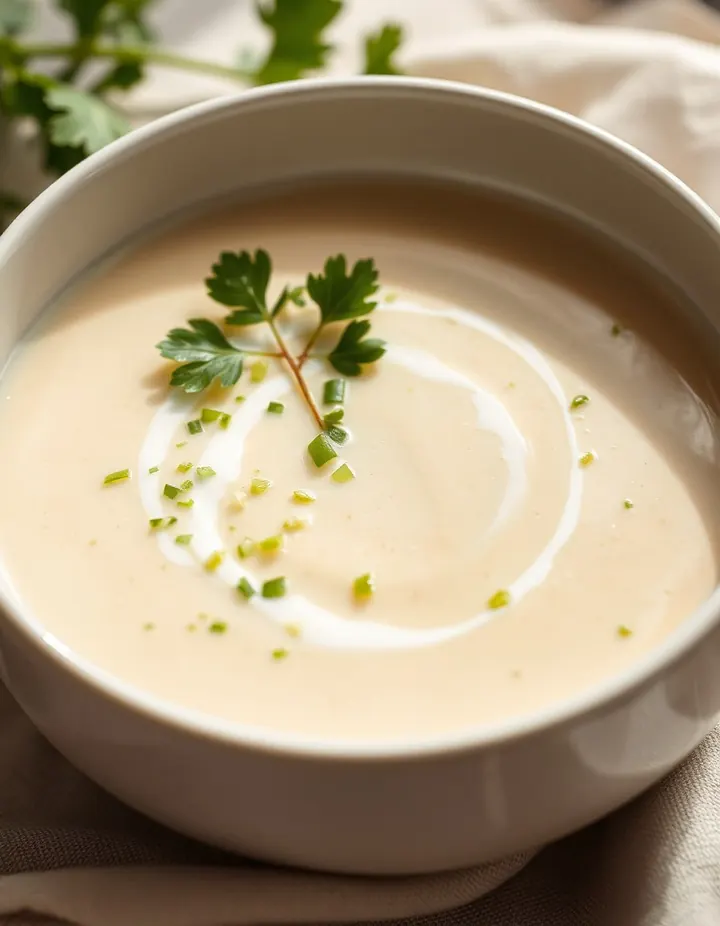 Cream of Celery Soup113 recipes
 White Bread80 recipes
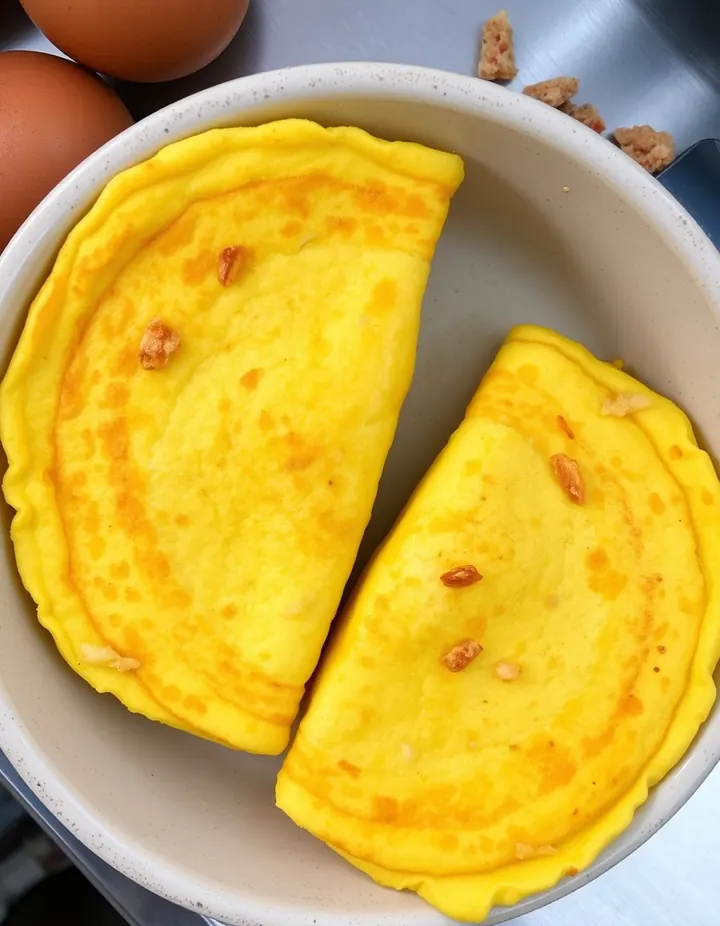 Bread Omelette60 recipes
The free Flavor Lab newsletter: one surprising pairing a week and the molecular reason it works, in 60 seconds. No spam, unsubscribe anytime.
Prefer an account? Create a free account to save pairings and unlock the full chemistry.