Why it works: Sugar and syrup match in chemistry and in kitchens. They rank in the top 6% of all ingredient pairs, and cooks put them together in 5,842 recipes. Both carry ethanol, which smells alcoholic, ethereal. The science ↓
Preserves and Jellies
Ingredients
Directions
Soak the figs
Cut the figs across the top in the form of a cross.
Cover with strong salted water and let stand for three days, changing the water daily.
After three days, cover with fresh water, adding grape or fig leaves, and cook until quite green.
Put in cold water, changing twice daily, and leave for three more days.
Make the preserve
Add 1 pound of granulated sugar for each pound of figs, cook briefly, then set aside for two days.
Add more sugar to taste, along with sliced lemon or ginger for flavor, and cook until tender and thick.
Jar and seal
Pack fresh fruit into jars, shaking down gently without crushing the berries.
Prepare a hot syrup with sugar and juice from smaller berries, and pour it over the fresh berries in the jars, leaving an inch of space at the top.
Fill a wash boiler half full of warm water, and set the jars on a wooden rack in the boiler, using straw or towels to prevent them from knocking together.
Place the can covers on the jars, leaving off the rubbers, and bring to a boil.
Once the syrup in the jars rises, indicating the contents are scalding hot, lift the jars out onto a dry board.
Fill each jar to the brim with the scalding syrup, put on the rubbers, and seal.
Transcribed from a scanned cookbook and modernised for today's kitchens. Where the book gave no heat or time, or said "a moderate oven", the temperatures and times here may be modern equivalents rather than the book's own figures.
Explore the science
The flavor team
The pairs that carry this dish. Each one is judged two ways: how much their aromas overlap, and how often cooks already put them together.
-
Sugar + syruptop 6% of all pairsSmell alikestrongCooked together5,842 recipes
Shared aroma: ethanol (alcoholic, ethereal).
-
Fig + lemontop 11% of all pairsSmell alikestrongCooked together763 recipes
Shared aroma: alpha-pinene (pine, turpentine).
-
Fig + sugartop 16% of all pairsSmell alikemoderateCooked together2,241 recipes
Shared aroma: beta-damascenone (apple, rose).
-
Sugar + lemontop 18% of all pairsSmell alikelowCooked together53,532 recipes
Shared aroma: 2-nonenal (fatty, green).
-
Fig + syruptop 20% of all pairsSmell alikelowCooked together114 recipes
Shared aroma: ethanol (alcoholic, ethereal).
Sugar and lemon barely smell alike, yet cooks put them together in 53,532 recipes: they work on texture and structure more than aroma.
Ranks compare each pair with 20,000 random ingredient pairs on CompKitchen. How we score pairs
What each ingredient does
- Figs
- Their flesh softens and absorbs sugar, becoming the body of the preserve.
- Granulated sugar
- Draws out moisture and preserves the fruit, adding sweetness and a thick syrup.
- Lemon
- Adds acidity and brightness that balances the sweetness of the preserve.
The step that matters
Fill each jar to the brim with scalding syrup before sealing. Hot syrup and full jars drive air out and help create a vacuum seal as the contents cool. Gaps or cooled syrup can let spoilage organisms in, so the jars should be sealed while the contents are still very hot.
Swap the lemon
How well each one fits the dish's main ingredients (fig, sugar, syrup):
- Vanillafits better
- Apricotfits better
- Pearfits better
- Lemonthe original
Fit is the average pairing score against fig, sugar, syrup. Candidates are from the same food group and used in at least 100 recipes.
“What each ingredient does” and “The step that matters” were written by Claude from this recipe’s own method and reviewed in samples by CompKitchen.
You might also like
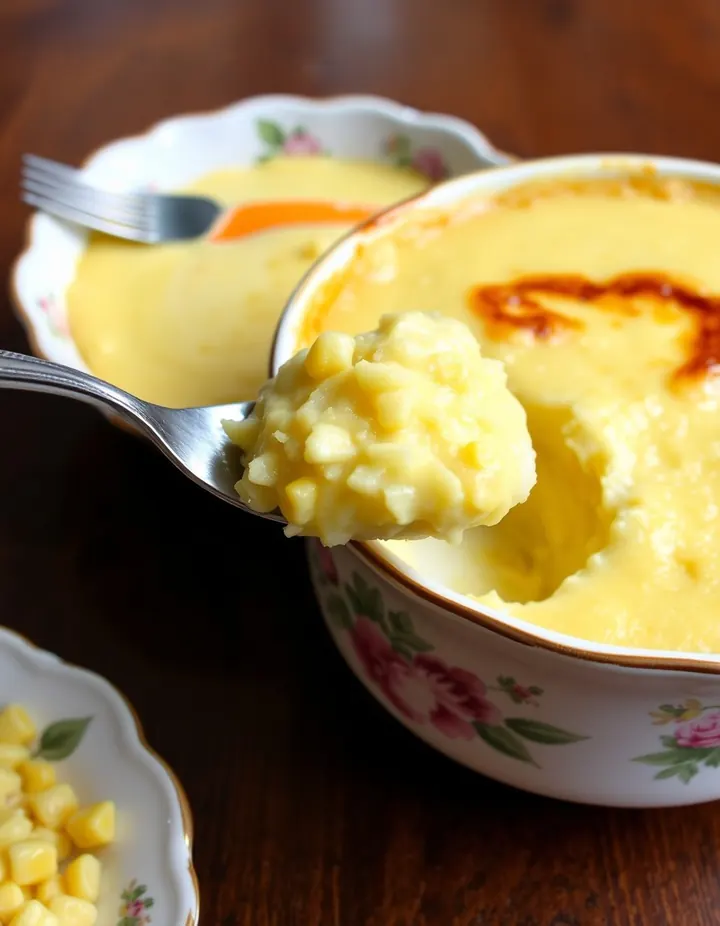 Green Corn Pudding64 recipes
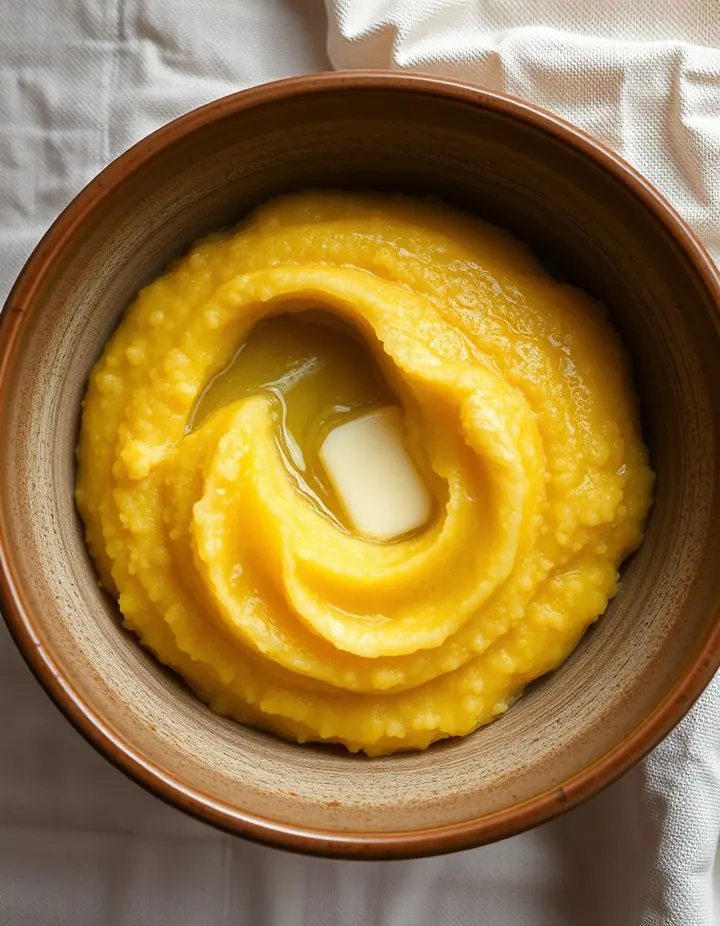 Cornmeal mush12 recipes
The free Flavor Lab newsletter: one surprising pairing a week and the molecular reason it works, in 60 seconds. No spam, unsubscribe anytime.
Prefer an account? Create a free account to save pairings and unlock the full chemistry.