Why it works: Strawberry jam and milk work together. They rank in the top 18% of all ingredient pairs, and cooks put them together in 144 recipes. Both carry ethyl caproate, which smells fruity, apple peel. The science ↓
Jelly Cake Fritters
Ingredients
Directions
Prepare
Cut stale sponge or cup cake into rounds using a cake cutter.
Heat lard in a frying pan until hot.
Dip each cake round briefly in boiling milk, then drain excess milk.
Fry and serve
Fry the cake rounds in hot lard until golden brown.
Spread each fried round thickly with strawberry jam or other jelly.
Stack the rounds neatly and serve hot with cream on the side.
Transcribed from a scanned cookbook and modernised for today's kitchens. Where the book gave no heat or time, or said "a moderate oven", the temperatures and times here may be modern equivalents rather than the book's own figures.
Explore the science
The flavor team
The pairs that carry this dish. Each one is judged two ways: how much their aromas overlap, and how often cooks already put them together.
-
Strawberry jam + milktop 18% of all pairsSmell alikelowCooked together144 recipes
Shared aroma: ethyl caproate (fruity, apple peel).
Ranks compare each pair with 20,000 random ingredient pairs on CompKitchen. How we score pairs
What each ingredient does
- Stale sponge cake or cup cake
- Provides the base structure that soaks up milk and crisps when fried.
- Boiling milk
- Softens the cake so it fries evenly and becomes moist inside.
- Hot lard
- Fries the rounds, browning the outside and adding richness.
- Strawberry jam or other jelly
- Adds sweetness and fruity flavour as the filling on top of the fried rounds.
The step that matters
Fry the cake rounds in hot lard until golden brown. The fat must be hot enough to brown the surface quickly. If it is too cool, the rounds absorb more fat and turn greasy and soggy instead of crisp.
“What each ingredient does” and “The step that matters” were written by Claude from this recipe’s own method and reviewed in samples by CompKitchen.
You might also like
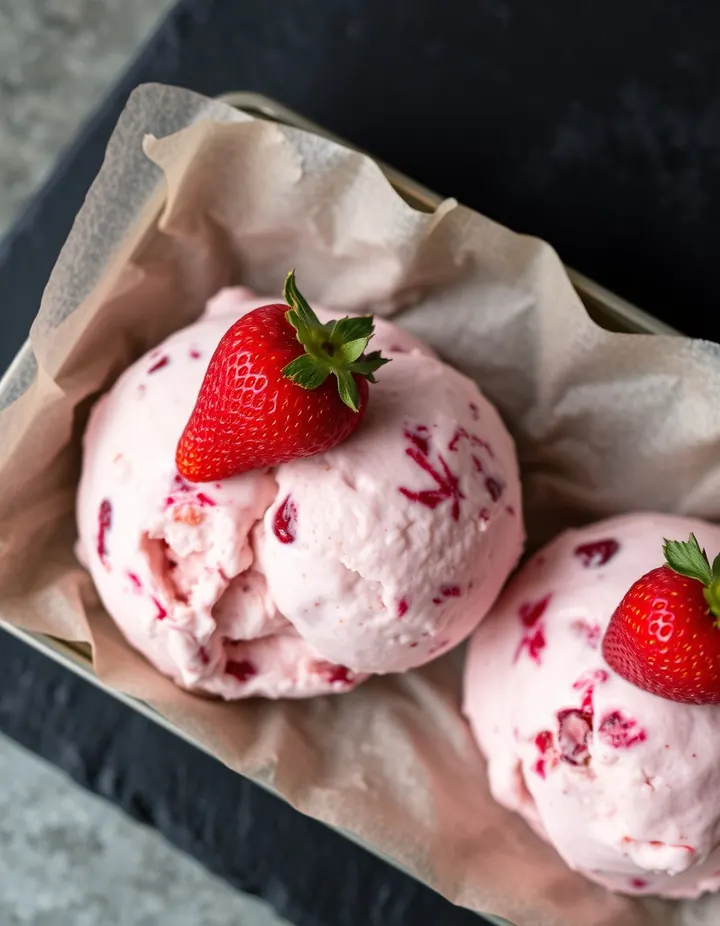 Strawberry Ice Cream122 recipes
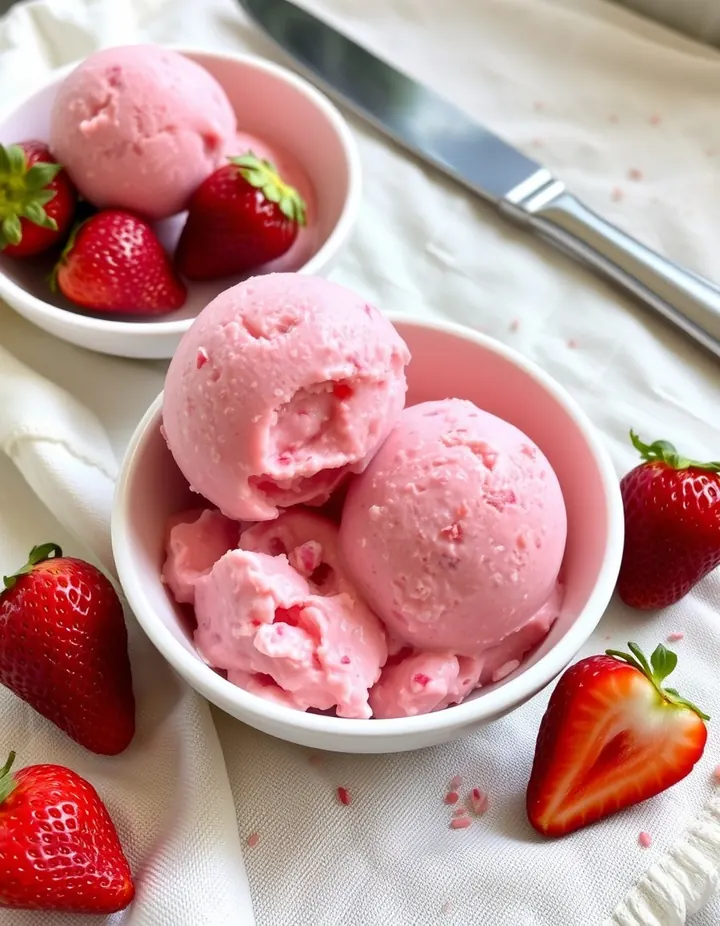 Strawberry Sherbet48 recipes
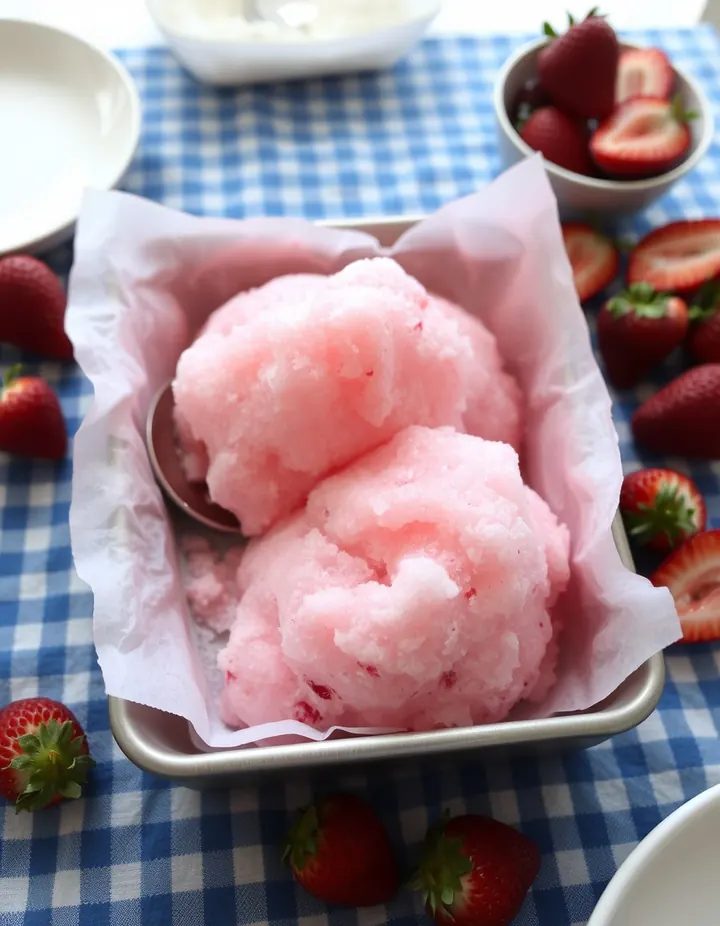 Strawberry Water Ice24 recipes
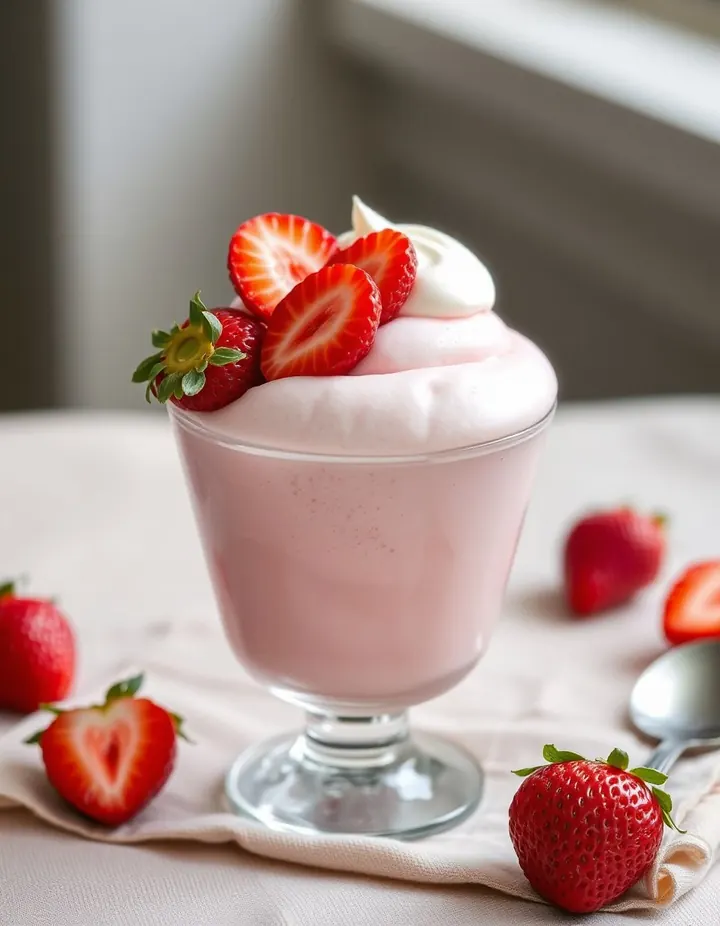 Strawberry Foam7 recipes
The free Flavor Lab newsletter: one surprising pairing a week and the molecular reason it works, in 60 seconds. No spam, unsubscribe anytime.
Prefer an account? Create a free account to save pairings and unlock the full chemistry.