Why it works: Sugar and brandy are a kitchen classic. They rank in the top 19% of all ingredient pairs, and cooks put them together in 11,939 recipes. Both carry beta-damascenone, which smells apple, rose. The science ↓
To Pbepake Any Kind of Fruit for Brandy
Ingredients
Directions
Prepare the fruit
Prick the fruit and soak it in cold water.
Heat the water until nearly boiling and continue until the fruit is tender.
Carefully skim the fruit out and place it in cold water.
Chill and bottle
Drain and add more cold water until perfectly cold.
Place the fruit in bottles, discarding any broken pieces.
Add the brandy syrup
Mix clarified sugar with double its quantity of brandy.
Pour the mixture over the fruit and seal the bottles.
Transcribed from a scanned cookbook and modernised for today's kitchens. Where the book gave no heat or time, or said "a moderate oven", the temperatures and times here may be modern equivalents rather than the book's own figures.
Explore the science
The flavor team
The pairs that carry this dish. Each one is judged two ways: how much their aromas overlap, and how often cooks already put them together.
-
Sugar + brandytop 19% of all pairsSmell alikelowCooked together11,939 recipes
Shared aroma: beta-damascenone (apple, rose).
Sugar and brandy barely smell alike, yet cooks put them together in 11,939 recipes: they work on texture and structure more than aroma.
Ranks compare each pair with 20,000 random ingredient pairs on CompKitchen. How we score pairs
What each ingredient does
- Fruit
- Main ingredient; gathered slightly unripe so it holds its shape during cooking.
- Clarified sugar
- Sweetens the syrup and helps preserve the fruit.
- Brandy
- Adds alcohol that helps preserve the fruit and contributes aroma.
The step that matters
Heating the fruit until tender. Heat must stay just below boiling so the fruit softens without breaking apart. Vigorous boiling bursts the skins and turns the fruit mushy, while gentle heat softens the flesh and keeps the pieces whole.
“What each ingredient does” and “The step that matters” were written by Claude from this recipe’s own method and reviewed in samples by CompKitchen.
You might also like
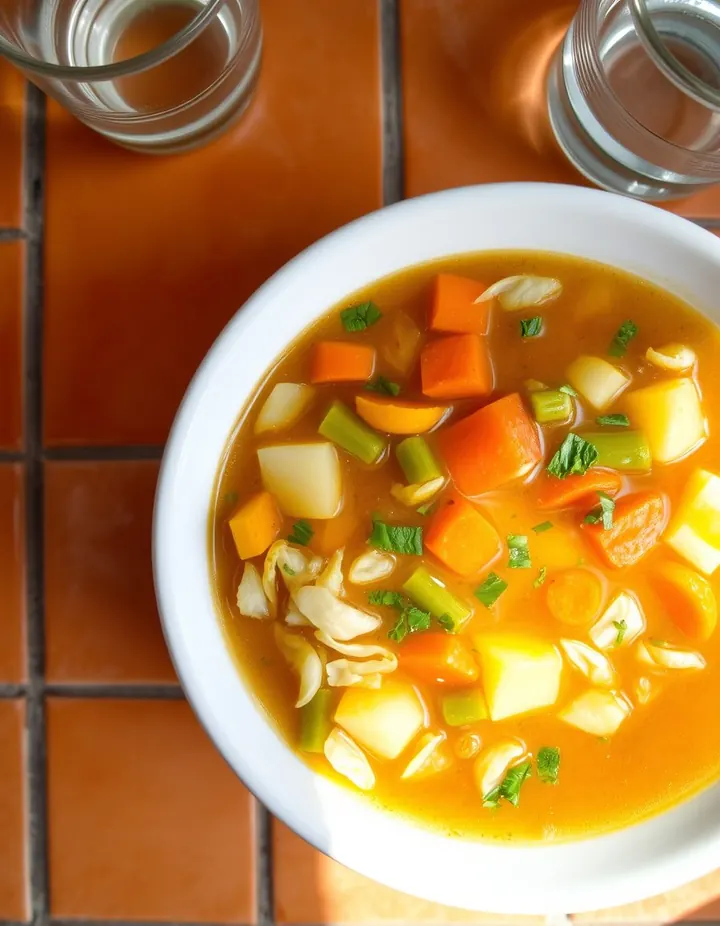 Vegetable Soup350 recipes
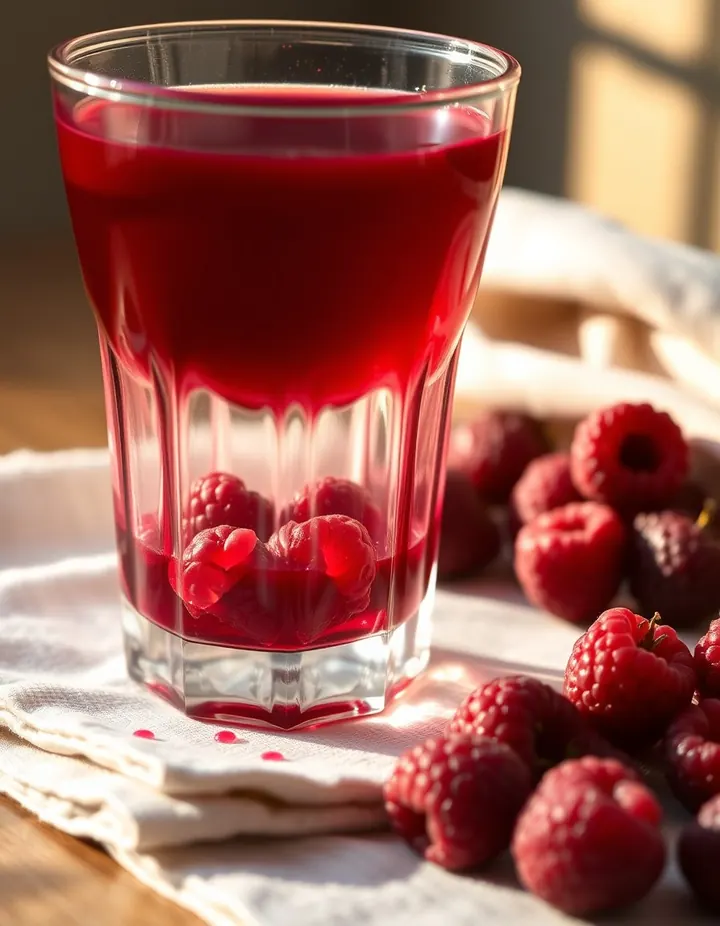 Raspberry Vinegar214 recipes
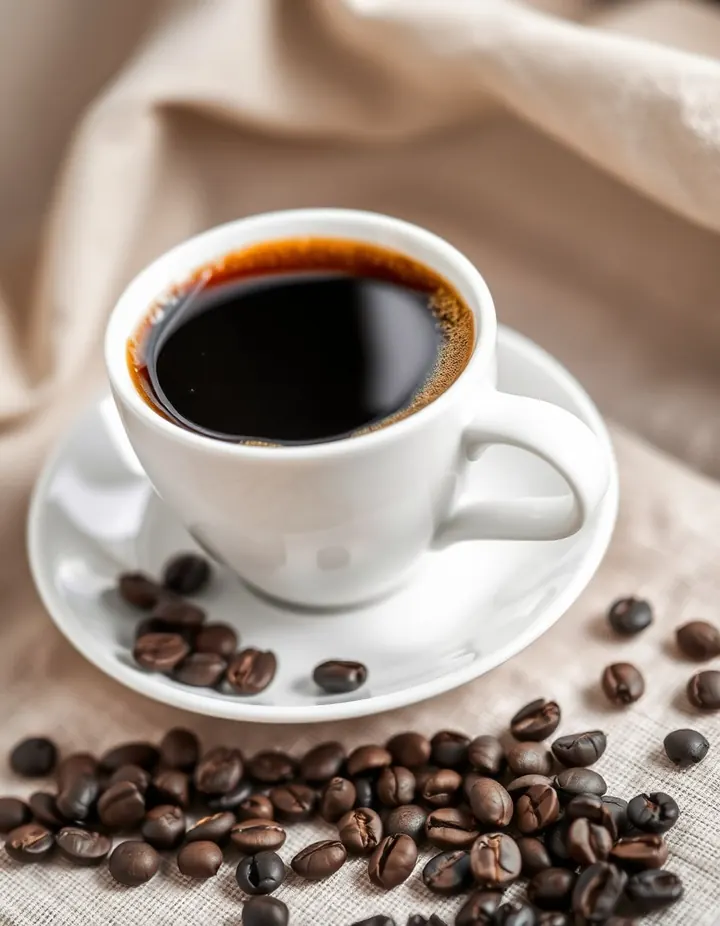 Brown Coffee with Egg175 recipes
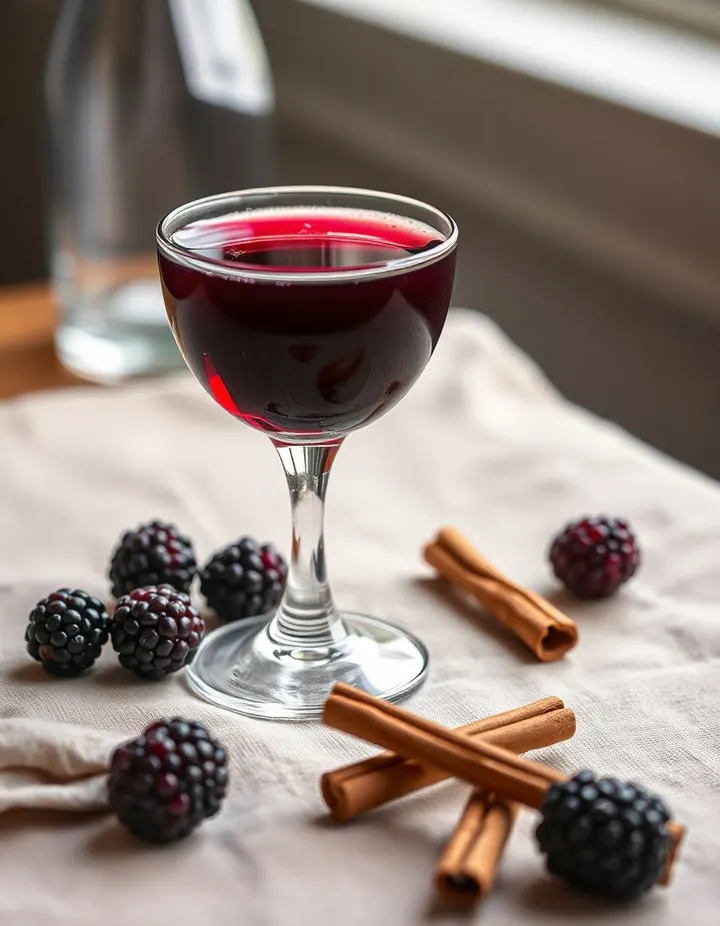 Blackberry Cordial129 recipes
The free Flavor Lab newsletter: one surprising pairing a week and the molecular reason it works, in 60 seconds. No spam, unsubscribe anytime.
Prefer an account? Create a free account to save pairings and unlock the full chemistry.