Why it works: Milk and flour are a kitchen classic. They rank in the top 14% of all ingredient pairs, and cooks put them together in 78,219 recipes. Both carry isobutyraldehyde, which smells malty, green. The science ↓
Salt-rising Bread
Ingredients
Directions
Make the starter
Combine scalding water with enough flour to make a thick batter in a bowl.
Add 1½ teaspoons of coarse sea salt and beat until smooth and full of air bubbles.
Cover the bowl and place it in a pan of warm water.
Set in a warm place for 5 to 8 hours, maintaining a temperature of about 112°F (44°C). Stir once or twice while rising.
Make the sponge
Scald the milk and let it cool until lukewarm.
Add 1 teaspoon of coarse sea salt and enough flour to make a batter thick enough to drop from a spoon.
Add the salt-rising mixture, which should be very light and have an unpleasant odor. Beat vigorously for 3 minutes.
Cover the bowl with a cloth and place it in a pan of warm water.
Let it stand in a warm place until very light, about 2 hours.
Shape and bake
Add sufficient flour to make a dough that will not stick to your hands.
Knead thoroughly until smooth and elastic.
Mold the dough into loaves and place in greased pans.
Cover with a cloth and let rise until very light.
Bake in a moderate oven at 350°F (175°C) for 1 hour.
Transcribed from a scanned cookbook and modernised for today's kitchens. Where the book gave no heat or time, or said "a moderate oven", the temperatures and times here may be modern equivalents rather than the book's own figures.
Explore the science
The flavor team
The pairs that carry this dish. Each one is judged two ways: how much their aromas overlap, and how often cooks already put them together.
-
Milk + flourtop 14% of all pairsSmell alikelowCooked together78,219 recipes
Shared aroma: isobutyraldehyde (malty, green).
Milk and flour barely smell alike, yet cooks put them together in 78,219 recipes: they work on texture and structure more than aroma.
Ranks compare each pair with 20,000 random ingredient pairs on CompKitchen. How we score pairs
What each ingredient does
- Flour
- Forms the batter and dough structure that traps gas and sets into the loaf crumb.
- Milk
- Adds moisture and softness to the dough, giving a tender crumb.
- Coarse sea salt
- Controls fermentation pace and adds flavor to the starter and dough.
The step that matters
Keeping the starter warm and steady. Salt rising bread relies on warm, steady temperature for the bacteria to ferment and make gas. If the mixture gets too cool, rising stalls; if too hot, the bacteria are harmed and the dough may sour or fail to rise.
“What each ingredient does” and “The step that matters” were written by Claude from this recipe’s own method and reviewed in samples by CompKitchen.
You might also like
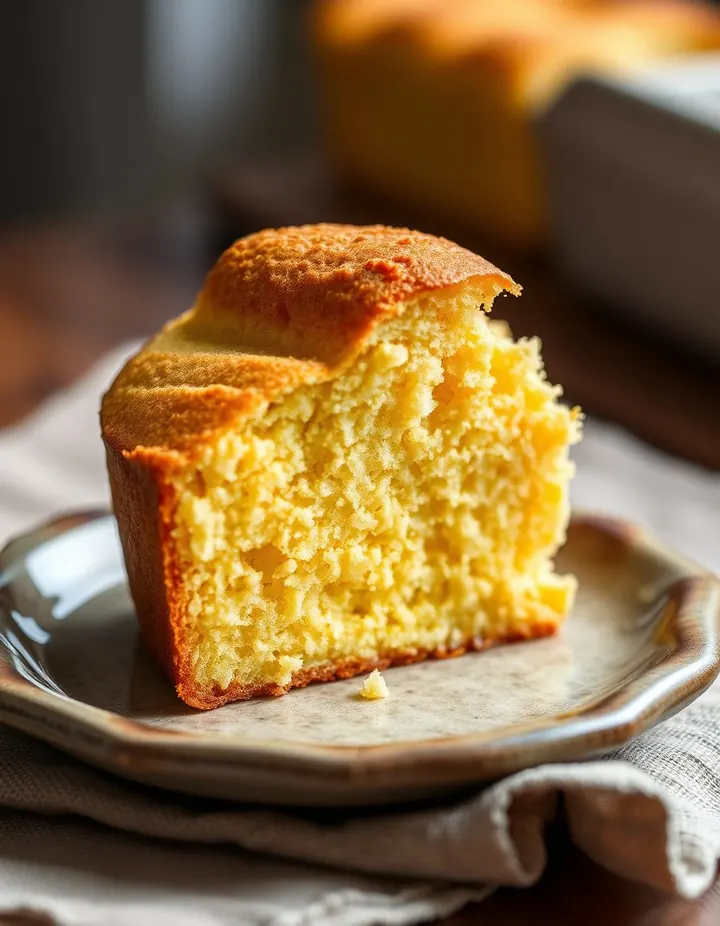 Cornbread345 recipes
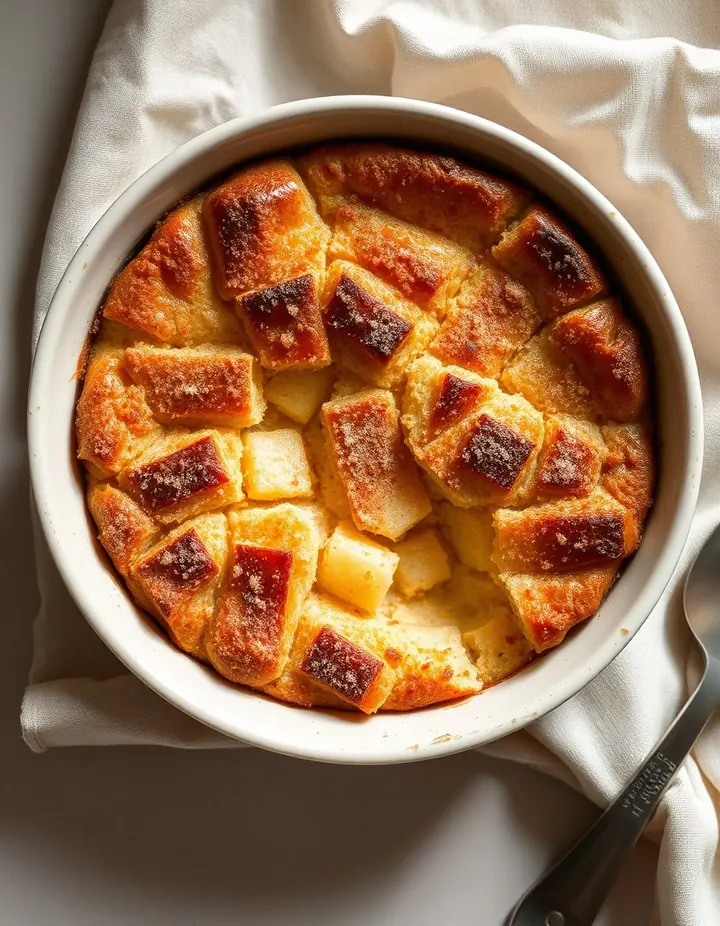 Bread Pudding336 recipes
 Milk Bread Rolls242 recipes
 Potato Bread124 recipes
The free Flavor Lab newsletter: one surprising pairing a week and the molecular reason it works, in 60 seconds. No spam, unsubscribe anytime.
Prefer an account? Create a free account to save pairings and unlock the full chemistry.