Why it works: Beef and potato are a kitchen classic. They rank in the top 8% of all ingredient pairs, and cooks put them together in 2,052 recipes. Both carry sotolon, which smells curry, maple. The science ↓
To Clarify Beef Drippings
Ingredients
Directions
Clarify the drippings
Put the drippings into a basin.
Slice the raw potato and add it to the basin.
Allow the mixture to boil until the potato browns, removing impurities.
Remove the mixture from heat and let it cool.
Drain off the sediment.
Store the clarified drippings in basins or small jars in a cool place.
To use, mix the clarified drippings with an equal amount of butter for frying and basting meats.
Roast the veal
Prepare a roast of veal as usual, leaving it in the kidney and securing it with twine.
Place the roast in a dripping pan with the thick side down.
Roast the roast in a hot oven.
Reduce the heat to moderate after the roast starts roasting.
After 30 minutes, add hot water to the pan.
Baste the roast often.
After another 30 minutes, turn the roast over.
Dredge the roast lightly with flour.
Baste the roast with melted butter.
Bake a 4 to 5-pound roast for about 2 hours.
Remove the twine before serving.
Make the gravy
For gravy, skim off some fat.
Dredge the fat in flour.
Stir the mixture until brown.
Add hot water if needed.
Boil the gravy.
Stir in sweet herbs.
Transcribed from a scanned cookbook and modernised for today's kitchens. Where the book gave no heat or time, or said "a moderate oven", the temperatures and times here may be modern equivalents rather than the book's own figures.
Explore the science
The flavor team
The pairs that carry this dish. Each one is judged two ways: how much their aromas overlap, and how often cooks already put them together.
-
Beef + potatotop 8% of all pairsSmell alikemoderateCooked together2,052 recipes
Shared aroma: sotolon (curry, maple).
-
Potato + peastop 9% of all pairsSmell alikemoderateCooked together1,016 recipes
Shared aroma: 2-isobutyl-3-methoxypyrazine (green bell pepper, earthy).
-
Peas + lemontop 11% of all pairsSmell alikemoderateCooked together1,005 recipes
Shared aroma: trans-2-nonenal (cardboard, fatty).
-
Butter + flourtop 12% of all pairsSmell alikelowCooked together124,287 recipes
Shared aroma: isobutyraldehyde (malty, green).
-
Potato + lemontop 12% of all pairsSmell alikemoderateCooked together2,230 recipes
Shared aroma: 2-nonenal (fatty, green).
Butter and flour barely smell alike, yet cooks put them together in 124,287 recipes: they work on texture and structure more than aroma.
Ranks compare each pair with 20,000 random ingredient pairs on CompKitchen. How we score pairs
What each ingredient does
- Drippings
- Provide concentrated beef fat and flavour for frying, basting and gravy.
- Flour
- Dredged on the roast and fat to brown and thicken the gravy.
- Butter
- Adds richness and helps the roast and drippings brown while basting.
- Raw potato
- Browns as it boils, helping to draw out impurities from the drippings.
The step that matters
Drain off the sediment after cooling. Sediment left in the fat can burn during frying or basting and cloud the clarified drippings, so it must be fully separated once the fat has cooled.
Swap the lemon
How well each one fits the dish's main ingredients (beef, potato, butter, flour, peas, sauce):
- Coconutfits better
- Avocadofits better
- Raisinfits about as well
- Lemonthe original
Fit is the average pairing score against beef, potato, butter, flour, peas, sauce. Candidates are from the same food group and used in at least 100 recipes.
“What each ingredient does” and “The step that matters” were written by Claude from this recipe’s own method and reviewed in samples by CompKitchen.
You might also like
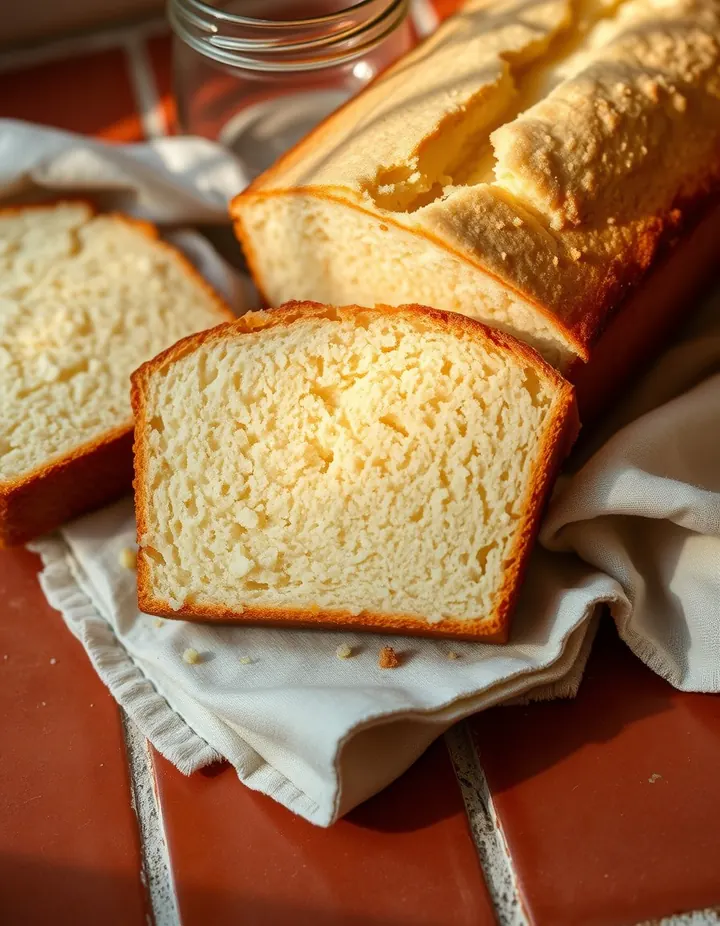 Delicate Cake246 recipes
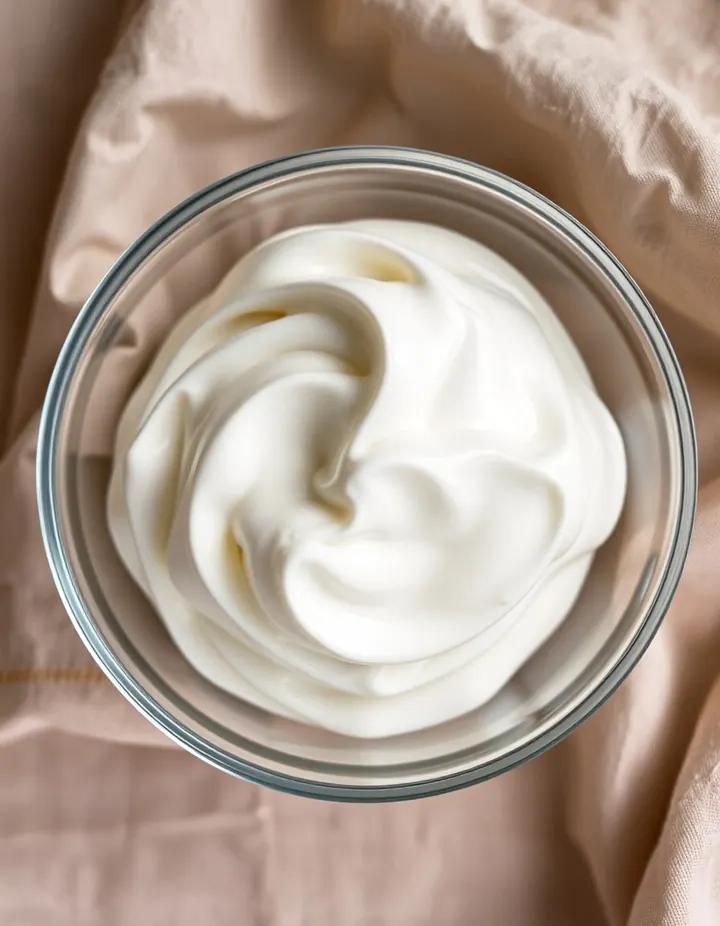 Boiled Frosting69 recipes
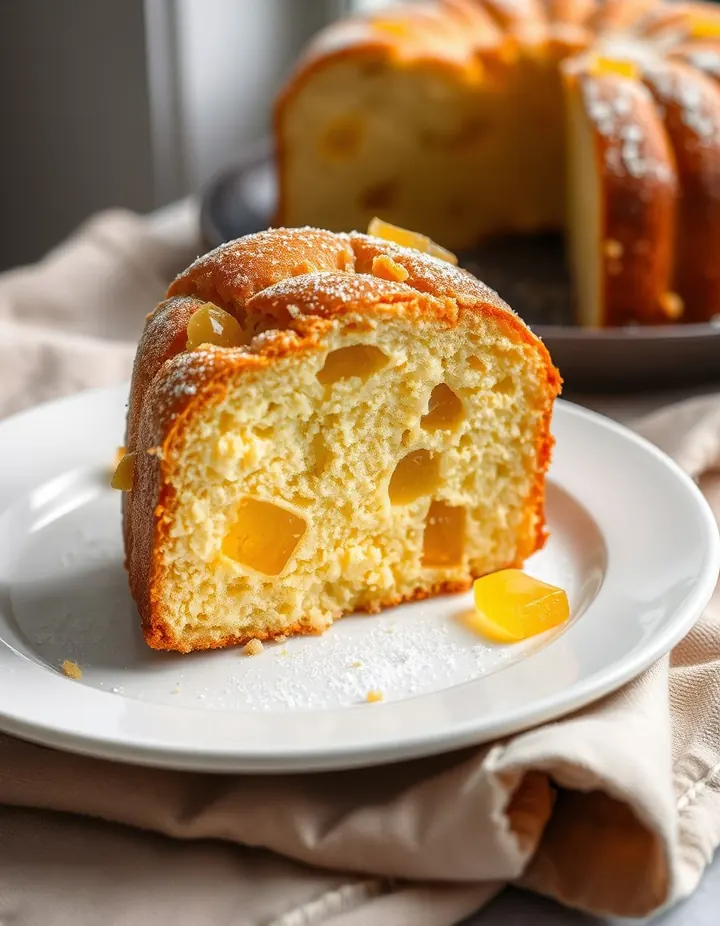 Citron Cake68 recipes
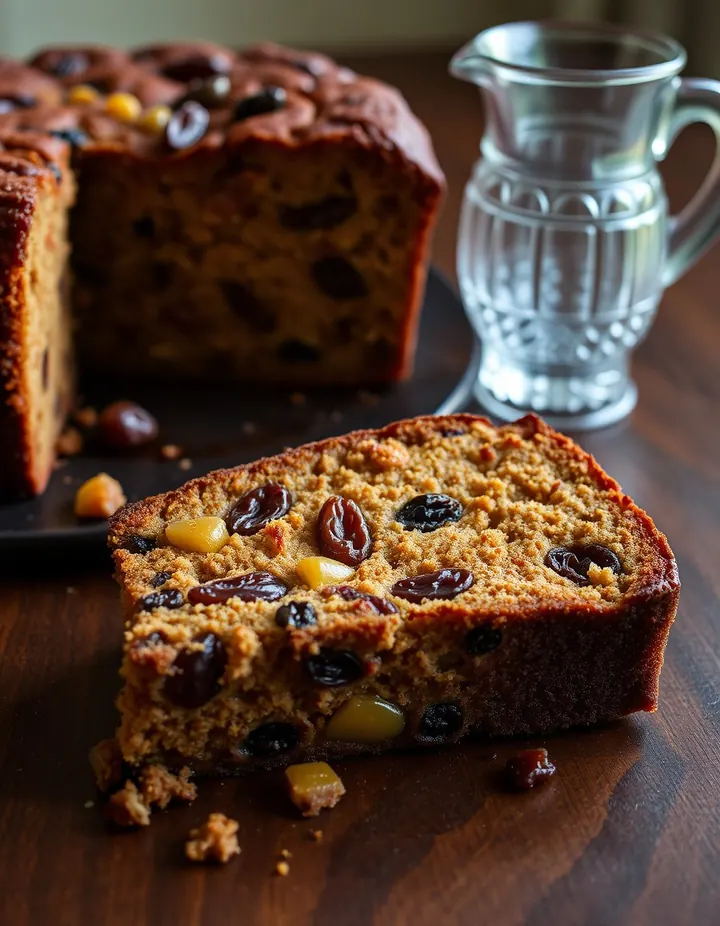 Scotch Cake63 recipes
The free Flavor Lab newsletter: one surprising pairing a week and the molecular reason it works, in 60 seconds. No spam, unsubscribe anytime.
Prefer an account? Create a free account to save pairings and unlock the full chemistry.