Why it works: Grape and lime work together. They rank in the top 15% of all ingredient pairs, and cooks put them together in 246 recipes. Both carry alpha-pinene, which smells pine, turpentine. The science ↓
Keeping Grapes
Ingredients
Directions
Prepare
Pick grapes before they are fully ripe and ensure they are dry.
Remove any defective grapes.
Store
Wrap each bunch in old paper or cotton, using no more than two layers in a box.
Store in a cold, dry room where they won't freeze.
For storage, place grapes gently between layers of cotton in a jar, cork it, and seal with melted resin.
Preserve and serve
To preserve, dip clusters in lime water until thick like cream, then hang them up.
To serve, dip clusters in warm water to remove lime.
Transcribed from a scanned cookbook and modernised for today's kitchens. Where the book gave no heat or time, or said "a moderate oven", the temperatures and times here may be modern equivalents rather than the book's own figures.
Explore the science
The flavor team
The pairs that carry this dish. Each one is judged two ways: how much their aromas overlap, and how often cooks already put them together.
-
Grape + limetop 15% of all pairsSmell alikemoderateCooked together246 recipes
Shared aroma: alpha-pinene (pine, turpentine).
Ranks compare each pair with 20,000 random ingredient pairs on CompKitchen. How we score pairs
What each ingredient does
- Grapes
- The fruit being preserved; they must be dry and undamaged to keep well.
- Lime
- Lime water forms a protective coating on the clusters that helps slow spoilage.
- Cotton
- Cushions the grapes and keeps them separated so they do not bruise or touch.
- Melted resin
- Seals the jar so air and moisture are kept out during storage.
The step that matters
Dipping clusters in lime water. The lime coating must be thick like cream to form an even protective layer. A thin coating leaves grapes exposed to air and spoilage, while the dip must be rinsed off with warm water before serving.
“What each ingredient does” and “The step that matters” were written by Claude from this recipe’s own method and reviewed in samples by CompKitchen.
You might also like
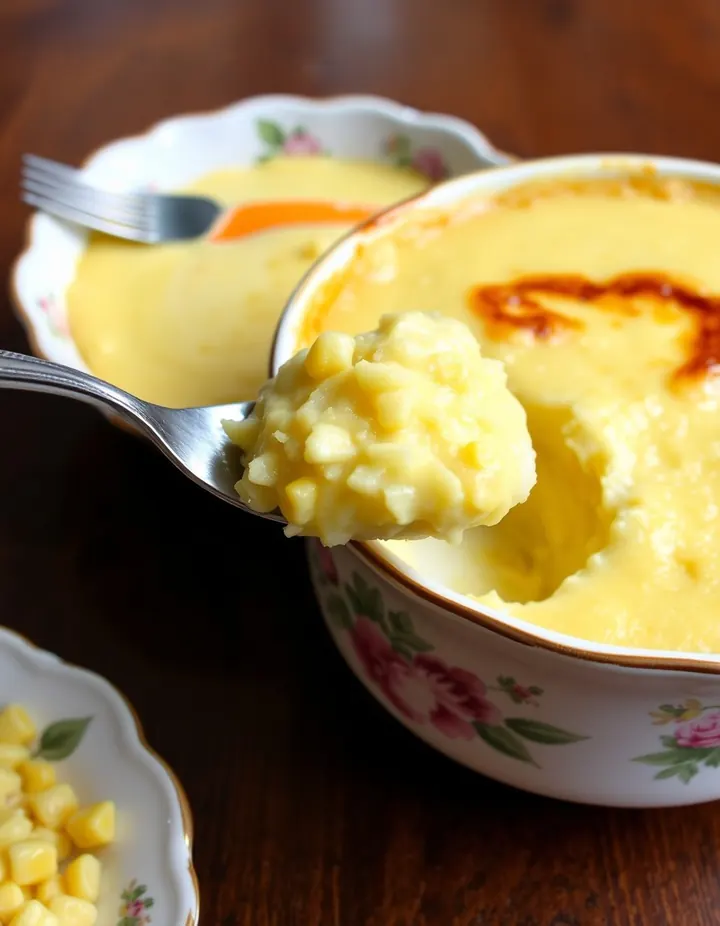 Green Corn Pudding64 recipes
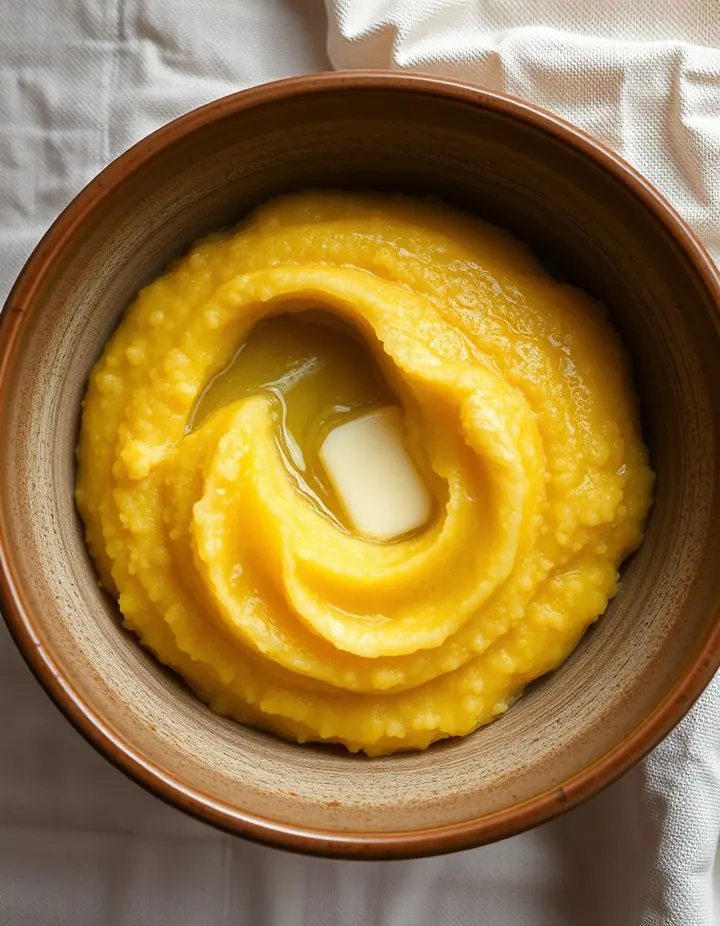 Cornmeal mush12 recipes
The free Flavor Lab newsletter: one surprising pairing a week and the molecular reason it works, in 60 seconds. No spam, unsubscribe anytime.
Prefer an account? Create a free account to save pairings and unlock the full chemistry.