Why it works: Corn and cream are a kitchen classic. They rank in the top 25% of all ingredient pairs, and cooks put them together in 2,532 recipes. Both carry 2-heptanol, which smells bitter, floral. The science ↓
Old Fashioned Hulled Corn
Ingredients
Directions
Prepare the corn
Shell the corn.
Place the corn in an iron kettle.
Cover the corn with cold water.
Add the bag of wood ashes.
Boil until the corn looks yellow and tastes strong of the alkali.
Remove the bag.
Make the hominy
Boil the corn in the lye for over an hour.
Pour off the lye.
Add fresh water.
Simmer until the corn swells.
If hulls do not come off, rub them off with a towel.
Add more water.
Simmer for 3-4 hours, stirring often to prevent burning.
When the corn is soft and white, add salt to taste.
Let the water simmer away.
Serve
Serve warm or cold with cream or milk.
Transcribed from a scanned cookbook and modernised for today's kitchens. Where the book gave no heat or time, or said "a moderate oven", the temperatures and times here may be modern equivalents rather than the book's own figures.
Explore the science
The flavor team
The pairs that carry this dish. Each one is judged two ways: how much their aromas overlap, and how often cooks already put them together.
-
Corn + creamtop 25% of all pairsSmell alikelowCooked together2,532 recipes
Shared aroma: 2-heptanol (bitter, floral).
Ranks compare each pair with 20,000 random ingredient pairs on CompKitchen. How we score pairs
What each ingredient does
- Ripe, dry corn
- Forms the base of the dish; the alkali softens the kernels and loosens their hulls.
- Wood ashes
- Supplies the alkali (lye) that softens the corn and loosens the hulls during boiling.
The step that matters
Stop the boil once the corn is soft and white. Simmering too long or without enough water can scorch the corn, and stirring keeps the bottom from burning. Rinsing away residual lye matters for flavor and safety, so the corn should be washed well before it is eaten.
“What each ingredient does” and “The step that matters” were written by Claude from this recipe’s own method and reviewed in samples by CompKitchen.
You might also like
 Corn Fritters203 recipes
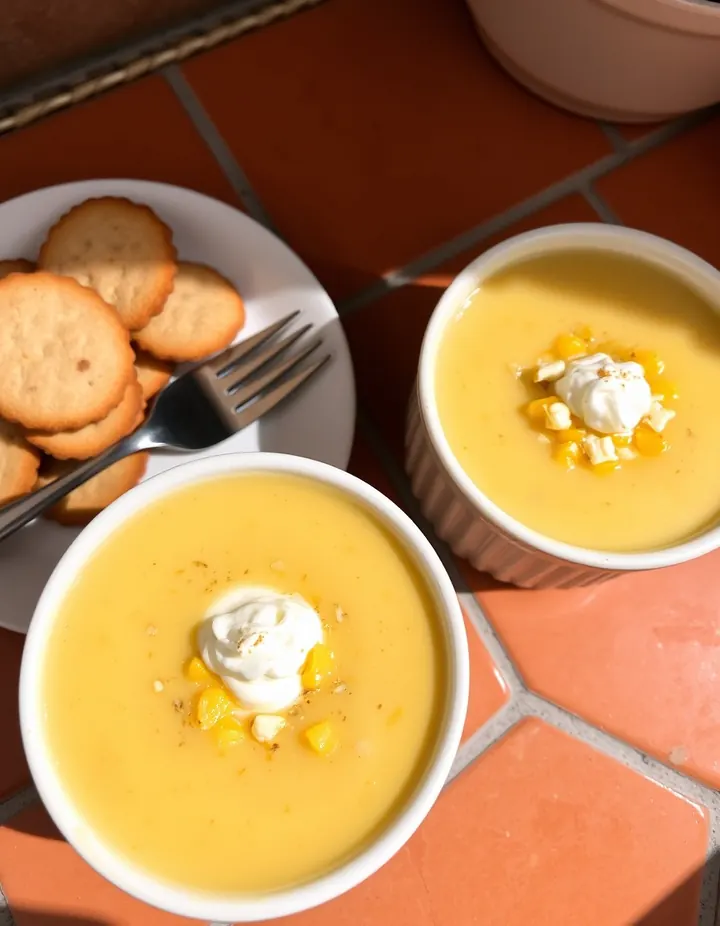 Cream of Corn Soup50 recipes
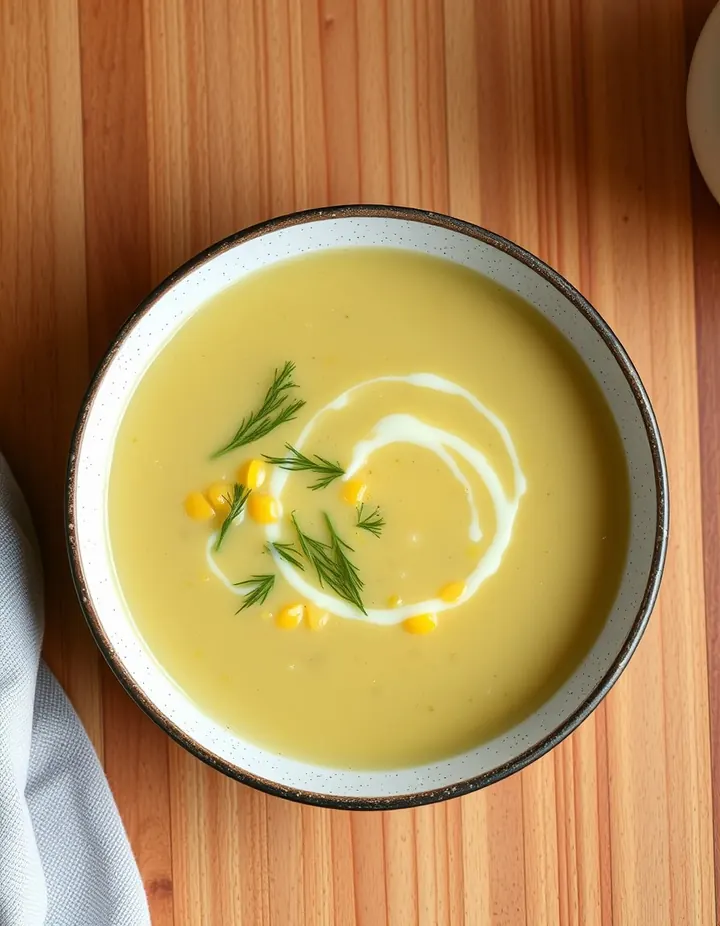 Green Corn Soup46 recipes
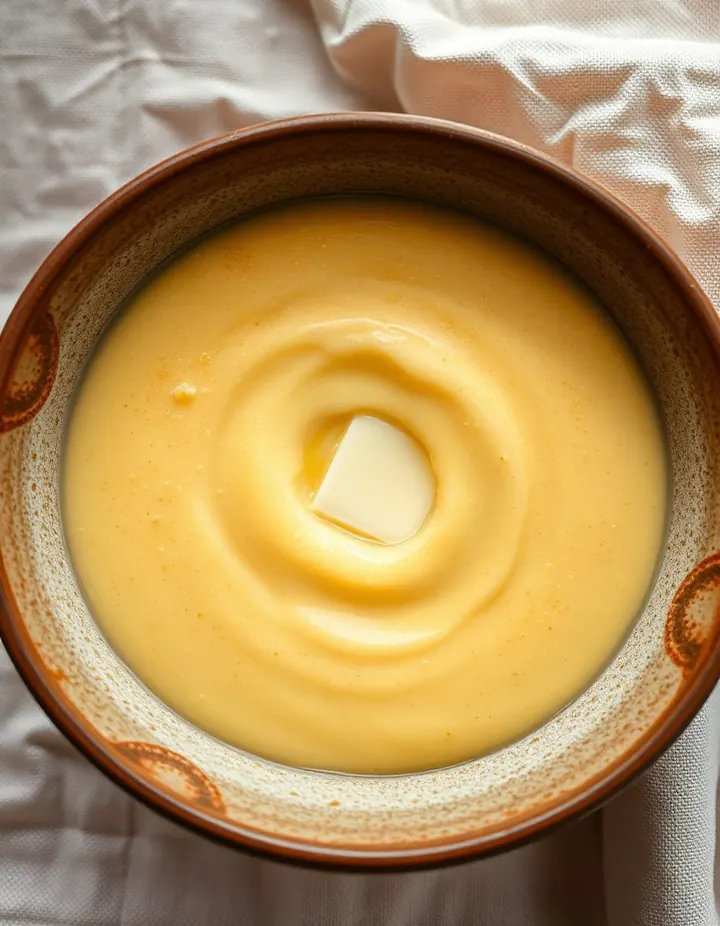 Cornmeal Gruel41 recipes
The free Flavor Lab newsletter: one surprising pairing a week and the molecular reason it works, in 60 seconds. No spam, unsubscribe anytime.
Prefer an account? Create a free account to save pairings and unlock the full chemistry.