Why it works: Pepper and parsley match in chemistry and in kitchens. They rank in the top 2% of all ingredient pairs, and cooks put them together in 34,122 recipes. Both carry 4'-methylacetophenone, which smells bitter almond. The science ↓
Winter Biles of Fare
Ingredients
Directions
Prepare the fowl
Prepare the fowl for roasting.
Bind the fowl in muslin or mosquito net.
Put the fowl into a pot of boiling water.
Cook the fowl for 12 minutes per pound.
Half an hour before it's done, remove 1 cup of broth.
Make the rice
Strain the broth.
Chill the broth in ice-cold water to remove grease.
Skim off the grease.
Season the broth with pepper and salt.
Boil 2 cups of rice for 10 minutes.
Drain the rice.
Mix the rice with the skimmed broth.
Cook in a farina kettle until tender, shaking occasionally without stirring.
Once the broth is absorbed, stir in 1 tablespoon of butter, minced parsley, and the beaten egg lightly.
Cook for 1 minute.
Remove from heat.
Serve with gravy
Spread the rice 2 inches thick on a hot platter and place the boiled chicken in the center.
Heat another cup of broth for gravy.
Strain the broth.
Add 1 tablespoon of butter and 1 tablespoon of flour.
Cook until thickened.
Season with salt, pepper, a beaten egg, and minced parsley.
Cook for 10 minutes.
Serve in a gravy boat.
Transcribed from a scanned cookbook and modernised for today's kitchens. Where the book gave no heat or time, or said "a moderate oven", the temperatures and times here may be modern equivalents rather than the book's own figures.
Explore the science
The flavor team
The pairs that carry this dish. Each one is judged two ways: how much their aromas overlap, and how often cooks already put them together.
-
Pepper + parsleytop 2% of all pairsSmell alikestrongCooked together34,122 recipes
Shared aroma: 4'-methylacetophenone (bitter almond).
-
Rice + parsleytop 10% of all pairsSmell alikestrongCooked together2,762 recipes
Shared aroma: 4'-methylacetophenone (bitter almond).
-
Pepper + ricetop 12% of all pairsSmell alikemoderateCooked together8,379 recipes
Shared aroma: trans-2-nonenal (cardboard, fatty).
-
Butter + flourtop 12% of all pairsSmell alikelowCooked together124,287 recipes
Shared aroma: isobutyraldehyde (malty, green).
-
Parsley + flourtop 12% of all pairsSmell alikemoderateCooked together16,675 recipes
Shared aroma: isobutyraldehyde (malty, green).
Butter and flour barely smell alike, yet cooks put them together in 124,287 recipes: they work on texture and structure more than aroma.
Ranks compare each pair with 20,000 random ingredient pairs on CompKitchen. How we score pairs
What each ingredient does
- Rice
- Absorbs the seasoned broth and cooks into a tender, moist base for the dish.
- Egg
- Sets when gently cooked, binding the rice and thickening the mixture slightly.
- Butter
- Adds richness and a smooth mouthfeel to the rice and gravy.
- Flour
- Thickens the gravy as it cooks in butter and broth.
- Broth
- Supplies the cooking liquid and savory flavor that the rice absorbs and the gravy is built on.
The step that matters
Cook the rice in the farina kettle. Rice must be stirred as little as possible so the grains stay separate and do not turn gummy, while the gentle heat lets the broth absorb slowly and fully cook the grains.
Swap the parsley
How well each one fits the dish's main ingredients (pepper, rice, butter, egg, flour):
- Turmericfits about as well
- Nutmegfits about as well
- Parsleythe original
- Cinnamonfits about as well
Fit is the average pairing score against pepper, rice, butter, egg, flour. Candidates are from the same food group and used in at least 100 recipes.
“What each ingredient does” and “The step that matters” were written by Claude from this recipe’s own method and reviewed in samples by CompKitchen.
You might also like
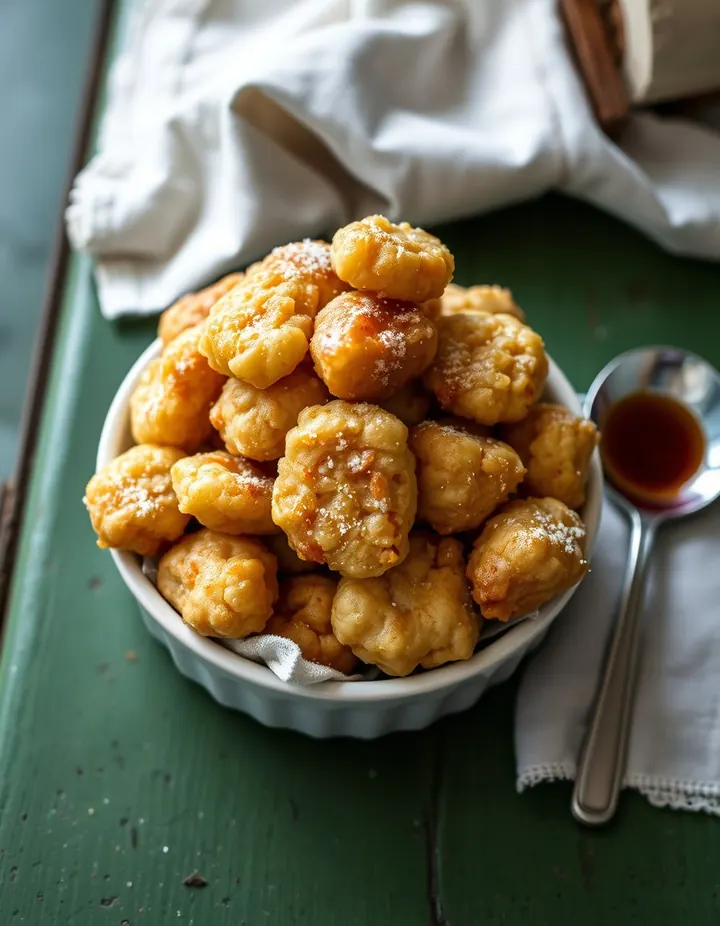 Rice Fritters84 recipes
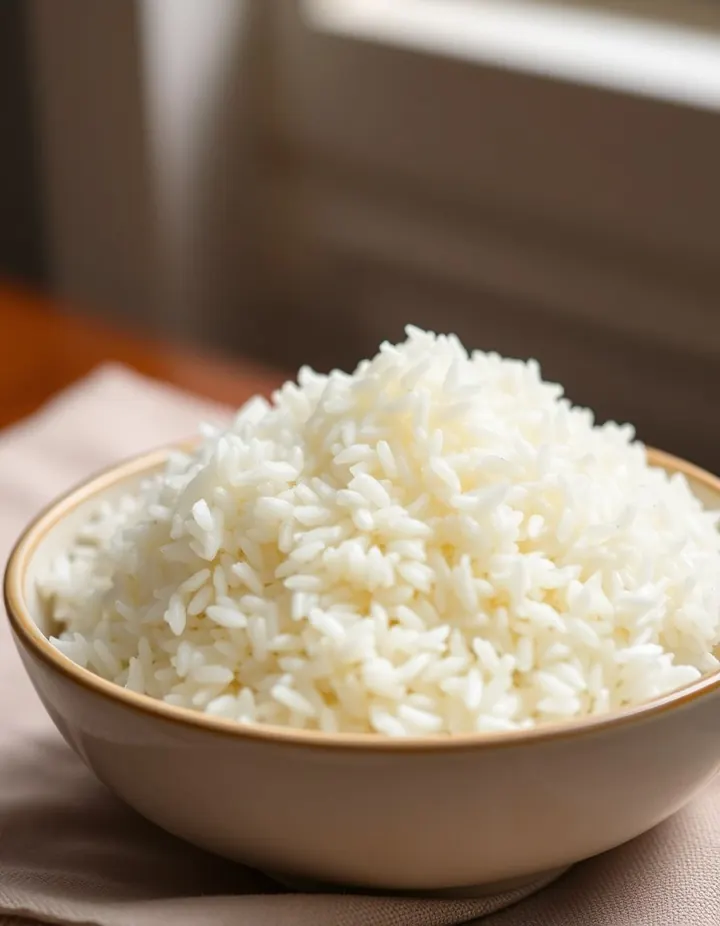 Steamed Rice48 recipes
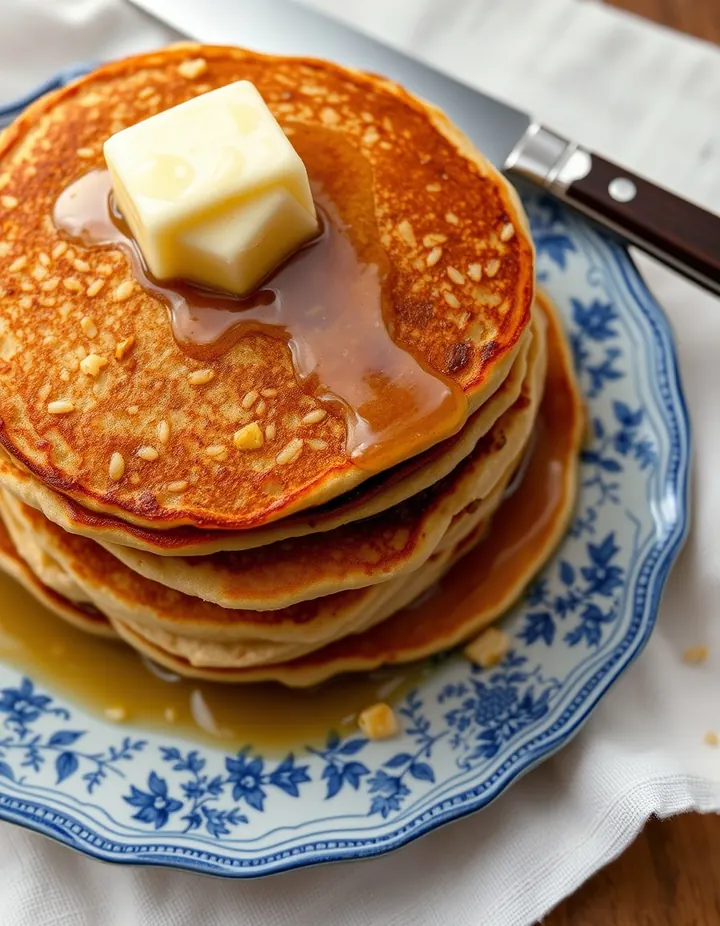 Rice Griddle Cakes28 recipes
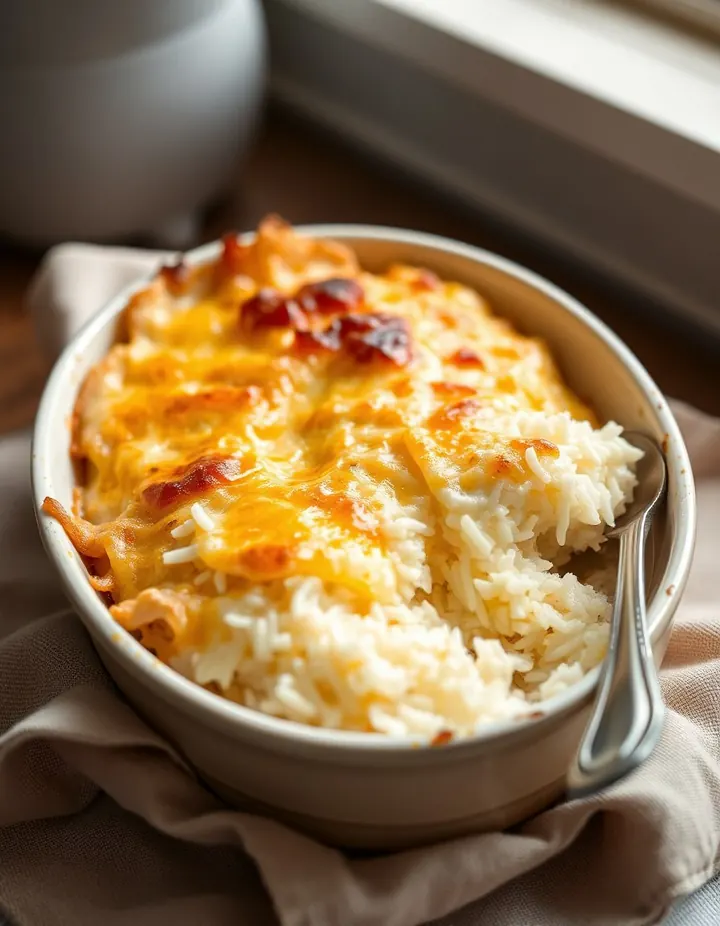 Rice and Cheese Casserole23 recipes
The free Flavor Lab newsletter: one surprising pairing a week and the molecular reason it works, in 60 seconds. No spam, unsubscribe anytime.
Prefer an account? Create a free account to save pairings and unlock the full chemistry.