Why it works: Marjoram and thyme match in chemistry and in kitchens. They rank in the top 1% of all ingredient pairs, and cooks put them together in 2,225 recipes. Both carry terpineol, which smells pine, woody. The science ↓
A-LA-mode Beef
Ingredients
Directions
Prepare the meat
Wash the cow heel thoroughly in water.
Remove the gills from the cow heel and cut it into neat pieces.
Wash the ox cheek well in cold water.
Rub the ox cheek with salt and dry it with a clean cloth.
Cut the ox cheek into neat pieces.
Weigh the ox cheek and cow heel to determine the amount of water needed.
Flour each piece of ox cheek.
Brown and stew
Melt the clarified dripping in a large saucepan over medium heat.
Fry the floured pieces of ox cheek in the melted dripping until browned.
Stir occasionally to prevent sticking.
Wash, scrape, and slice the carrots.
Peel and slice the onions.
Wash and dry the parsley.
Tie the marjoram, thyme, bay leaf, and parsley together with string.
Add the vegetables and herb bundle to the saucepan.
Pour in the appropriate amount of water based on the weight of the meat.
Mix 2 tablespoons of flour with cold water to make a smooth paste.
Add the cow heel pieces to the saucepan along with pepper and salt to taste.
Stir the flour paste into the saucepan.
Cover the saucepan, bring to a boil, then reduce heat and let it stew.
Transcribed from a scanned cookbook and modernised for today's kitchens. Where the book gave no heat or time, or said "a moderate oven", the temperatures and times here may be modern equivalents rather than the book's own figures.
Explore the science
The flavor team
The pairs that carry this dish. Each one is judged two ways: how much their aromas overlap, and how often cooks already put them together.
-
Marjoram + thymetop 1% of all pairsSmell alikestrongCooked together2,225 recipes
Shared aroma: terpineol (pine, woody).
-
Thyme + parsleytop 1% of all pairsSmell alikestrongCooked together9,057 recipes
Shared aroma: cuminaldehyde (Spicy, cumin).
-
Marjoram + parsleytop 1% of all pairsSmell alikestrongCooked together1,979 recipes
Shared aroma: cuminaldehyde (Spicy, cumin).
-
Carrot + parsleytop 1% of all pairsSmell alikestrongCooked together8,053 recipes
Shared aroma: 2,4-decadienal (seaweed).
-
Carrot + marjoramtop 1% of all pairsSmell alikestrongCooked together687 recipes
Shared aroma: cuminaldehyde (Spicy, cumin).
Ranks compare each pair with 20,000 random ingredient pairs on CompKitchen. How we score pairs
What each ingredient does
- Ox cheek
- Provides the main meat and rich gelatin that gives the stew body.
- Cow heel
- Adds gelatin and body to the stock as it simmers slowly.
- Clarified dripping
- Fat for frying the floured meat, promoting even browning and flavour.
- Flour
- Coats the meat for browning and, as a paste, thickens the stewing liquid.
- Onions
- Release sweetness and aroma into the stew as they cook down.
- Carrots
- Add sweetness and body to the stew as they soften.
The step that matters
Browning the floured meat. Frying the floured pieces in hot fat until browned builds deep flavour through the Maillard reaction. Pale, steamed meat gives a flat stew, and stirring prevents the flour from scorching on the pan.
Swap the onion
How well each one fits the dish's main ingredients (carrot, marjoram, thyme, parsley, flour, pepper, meat):
- Parsnipfits better
- Shallotfits better
- Turnipfits better
- Onionthe original
Fit is the average pairing score against carrot, marjoram, thyme, parsley, flour, pepper, meat. Candidates are from the same food group and used in at least 100 recipes.
“What each ingredient does” and “The step that matters” were written by Claude from this recipe’s own method and reviewed in samples by CompKitchen.
You might also like
 Carrot Soup134 recipes
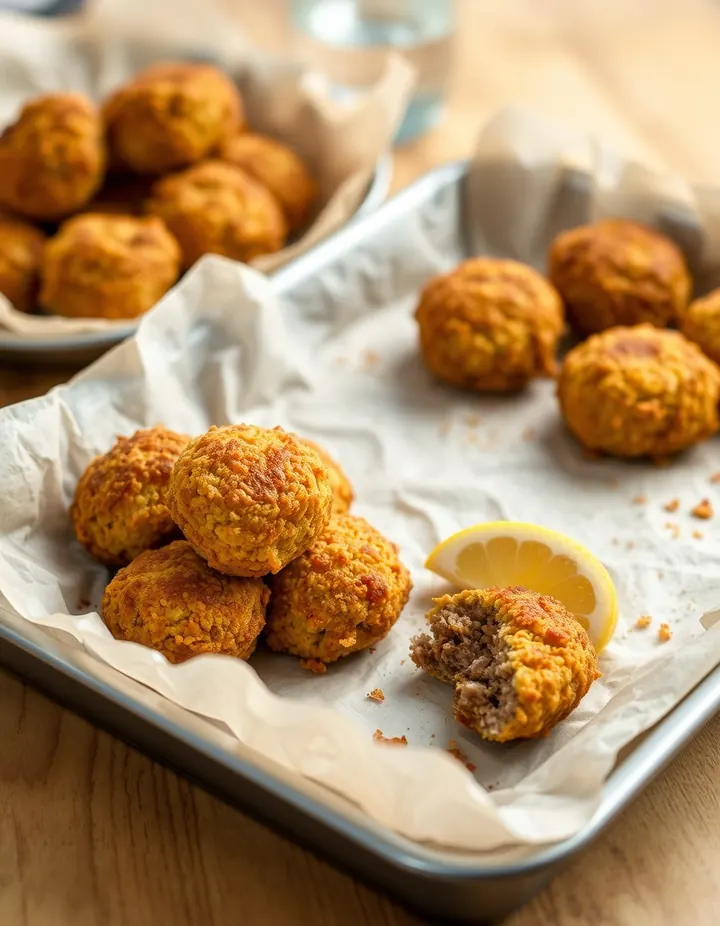 Meat Croquettes52 recipes
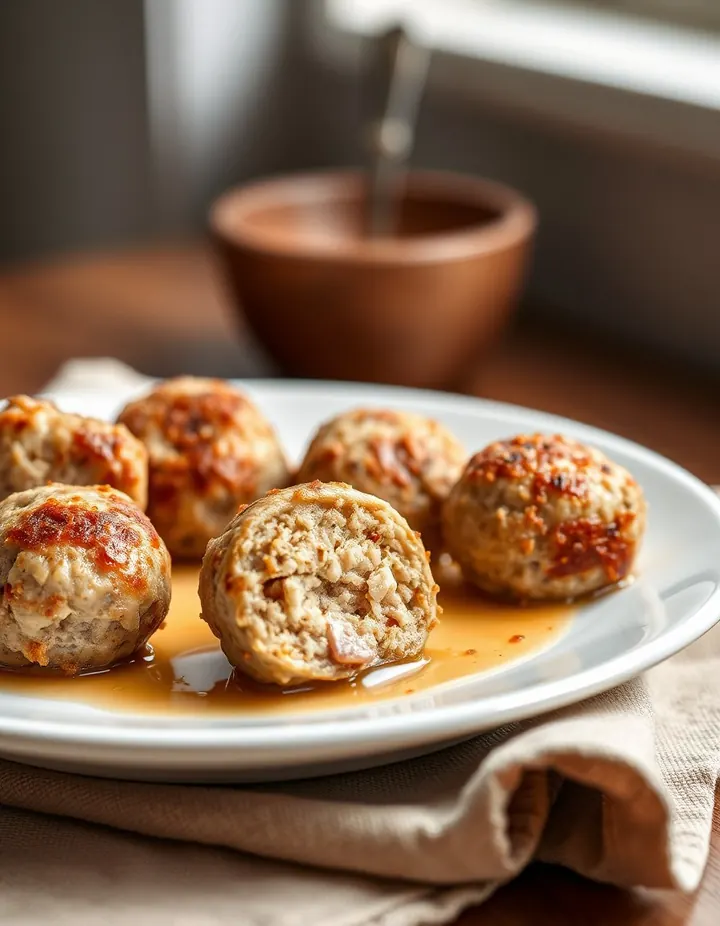 Meatballs37 recipes
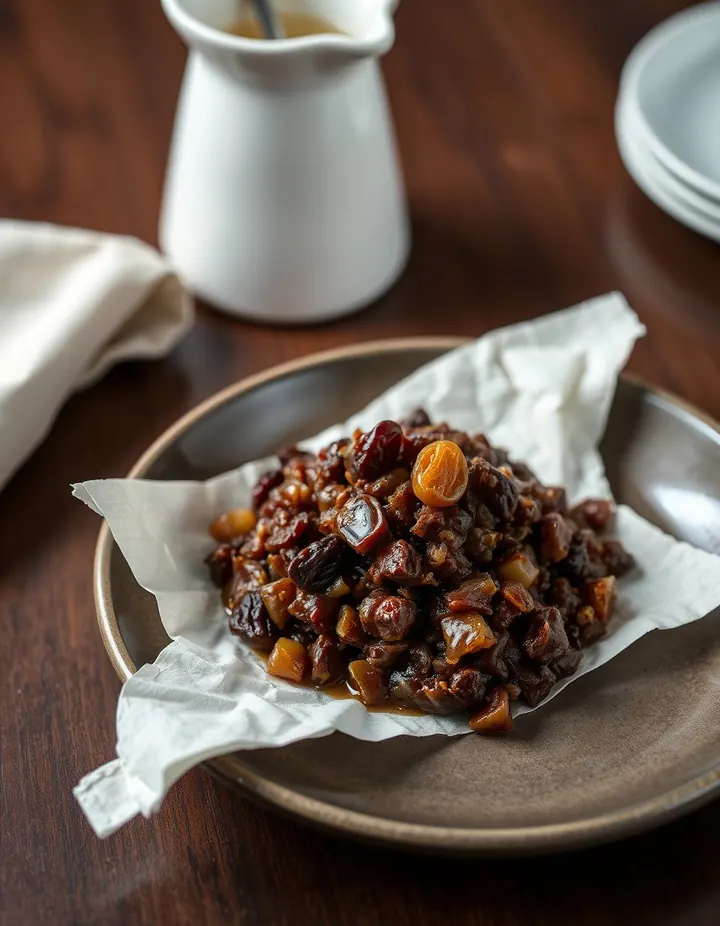 Mince Meat37 recipes
The free Flavor Lab newsletter: one surprising pairing a week and the molecular reason it works, in 60 seconds. No spam, unsubscribe anytime.
Prefer an account? Create a free account to save pairings and unlock the full chemistry.