Why it works: Almond and olive match in chemistry and in kitchens. They rank in the top 6% of all ingredient pairs, and cooks put them together in 1,875 recipes. Both carry 2,4-decadienal, which smells seaweed. The science ↓
Salt Almonds
Ingredients
Directions
The book says “a moderate oven”. The 350°F (175°C) in the steps is the modern equivalent, not the book's own figure.
Skin the almonds
Shell the almonds.
Place the shelled almonds in a bowl and pour boiling water over them.
Let them sit for 10 minutes.
Check if the skins slip off easily.
If so, drain the hot water and cover the almonds with cold water.
Remove the skins by applying pressure or pulling at one end.
Spread the almonds on a dish and let them dry in a warm place.
Oil, bake and salt
Once dry, pour the olive oil or melted butter over the almonds and mix well.
Spread the almonds in a single layer on a shallow pan.
Bake in a 350°F (175°C) oven until they are very faintly colored.
Remove from the oven and dust with fine salt.
Once cooled, shake lightly to remove excess salt.
Transcribed from a scanned cookbook and modernised for today's kitchens. Where the book gave no heat or time, or said "a moderate oven", the temperatures and times here may be modern equivalents rather than the book's own figures.
Explore the science
The flavor team
The pairs that carry this dish. Each one is judged two ways: how much their aromas overlap, and how often cooks already put them together.
-
Almond + olivetop 6% of all pairsSmell alikestrongCooked together1,875 recipes
Shared aroma: 2,4-decadienal (seaweed).
Ranks compare each pair with 20,000 random ingredient pairs on CompKitchen. How we score pairs
What each ingredient does
- Almonds
- Form the crunchy base; removing the skins gives them a pale, clean appearance and mild flavor.
- Olive oil or melted butter
- Coats the almonds so the salt sticks and they brown evenly, adding richness.
The step that matters
Stopping the bake at a faint color. Almonds keep darkening from residual heat after leaving the oven. Pull them when only faintly colored, since over-browning through Maillard reactions turns them bitter.
“What each ingredient does” and “The step that matters” were written by Claude from this recipe’s own method and reviewed in samples by CompKitchen.
You might also like
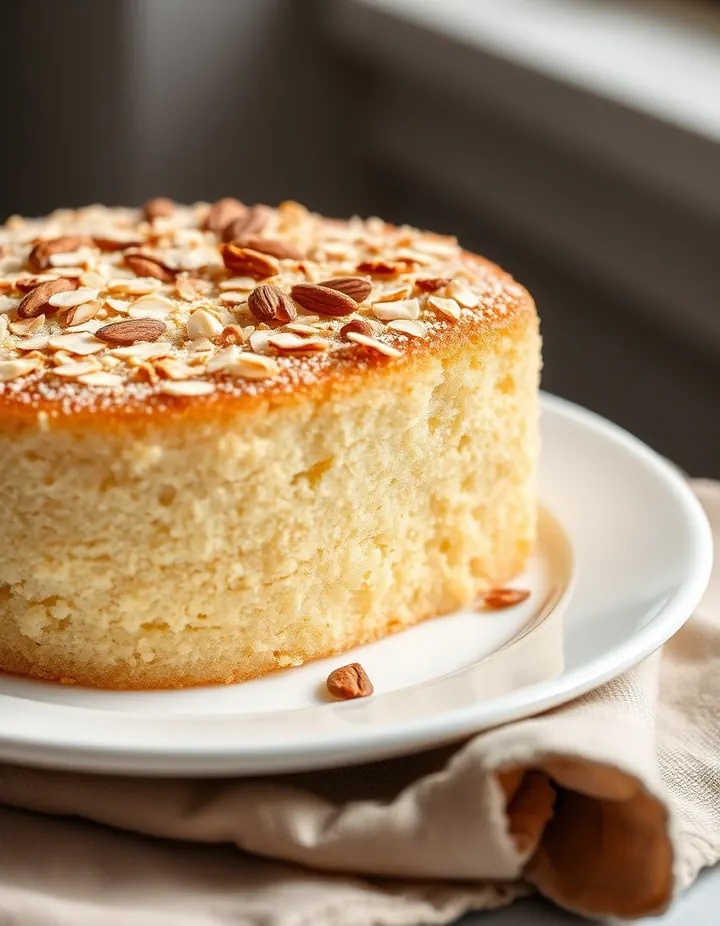 Almond Sponge Cake26 recipes
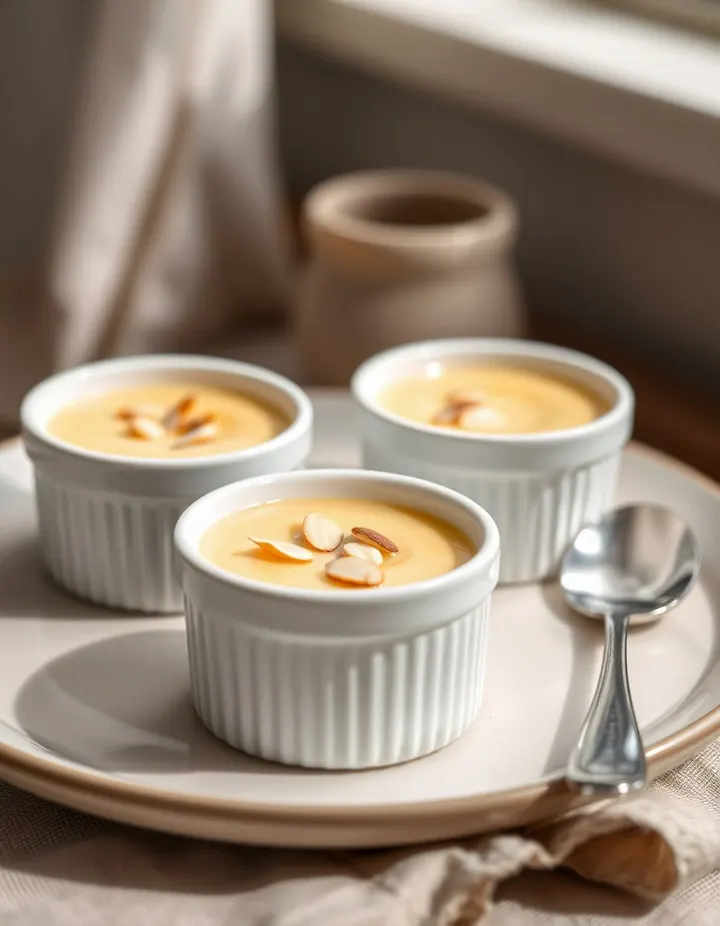 Almond Custard22 recipes
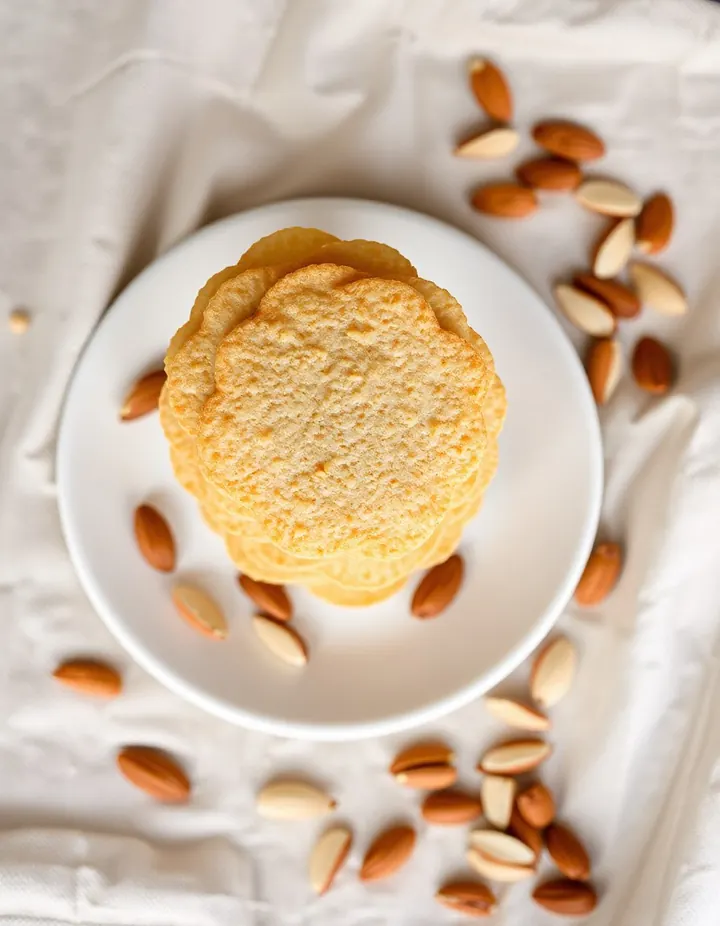 Almond Wafers22 recipes
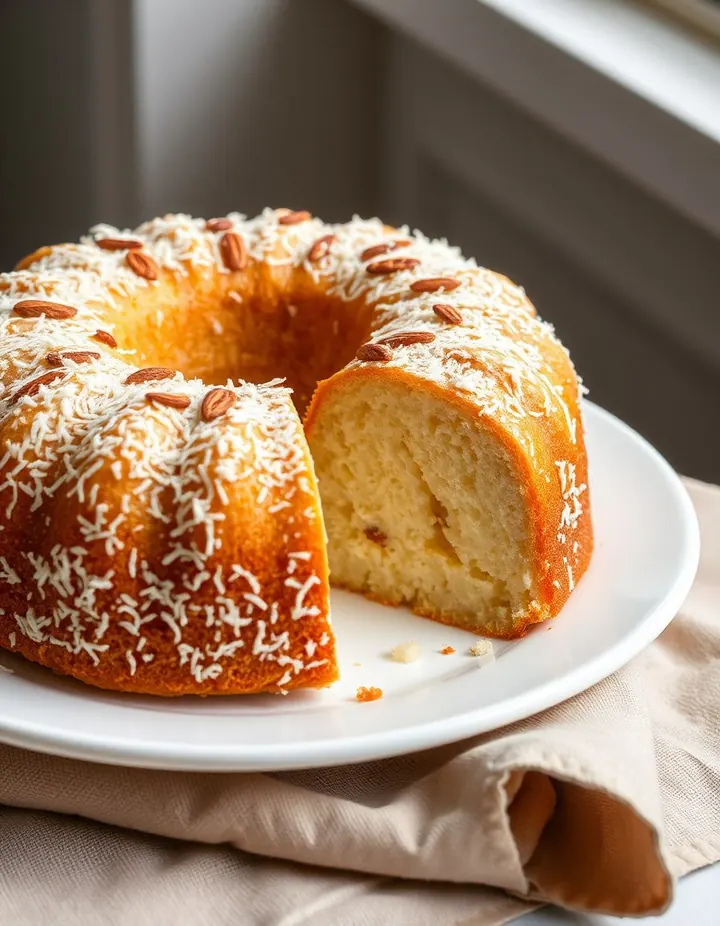 Coconut Almond Cake17 recipes
The free Flavor Lab newsletter: one surprising pairing a week and the molecular reason it works, in 60 seconds. No spam, unsubscribe anytime.
Prefer an account? Create a free account to save pairings and unlock the full chemistry.