Why it works: Flour and molasses are a kitchen classic. They rank in the top 16% of all ingredient pairs, and cooks put them together in 10,429 recipes. Both carry ethanol, which smells alcoholic, ethereal. The science ↓
Graham Bread
Ingredients
Directions
The book says “a moderate oven”. The 350°F (175°C) in the steps is the modern equivalent, not the book's own figure.
Prepare
Mix all ingredients together until stiff using a spoon.
Cover and let the mixture stand overnight.
Bake
Preheat the oven to 350°F (175°C).
Bake for 1 hour.
Transcribed from a scanned cookbook and modernised for today's kitchens. Where the book gave no heat or time, or said "a moderate oven", the temperatures and times here may be modern equivalents rather than the book's own figures.
Explore the science
The flavor team
The pairs that carry this dish. Each one is judged two ways: how much their aromas overlap, and how often cooks already put them together.
-
Flour + molassestop 16% of all pairsSmell alikemoderateCooked together10,429 recipes
Shared aroma: ethanol (alcoholic, ethereal).
Ranks compare each pair with 20,000 random ingredient pairs on CompKitchen. How we score pairs
What each ingredient does
- Graham flour
- Provides the coarse, hearty texture and nutty flavor that define this bread.
- All-purpose flour
- Its gluten gives the dough enough structure to hold its shape and rise.
- Yeast
- Ferments the dough during the overnight stand, producing gas that leavens the loaf.
- Baking soda
- Reacts with the acidity of molasses to produce carbon dioxide, helping the bread rise.
- Molasses
- Adds sweetness, moisture, and a deeper color and flavor to the bread.
The step that matters
Let the mixture stand overnight. This long rest gives the yeast time to ferment the dough, developing flavor and gas for rising. Skipping or shortening it leaves the loaf dense and less flavorful.
“What each ingredient does” and “The step that matters” were written by Claude from this recipe’s own method and reviewed in samples by CompKitchen.
More graham bread recipes
You might also like
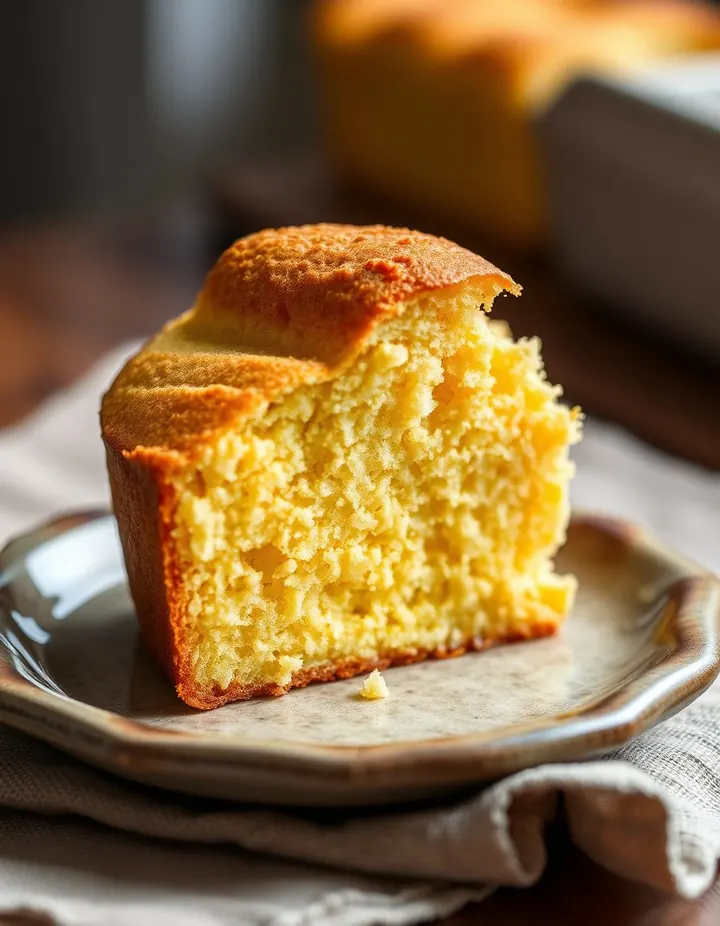 Cornbread345 recipes
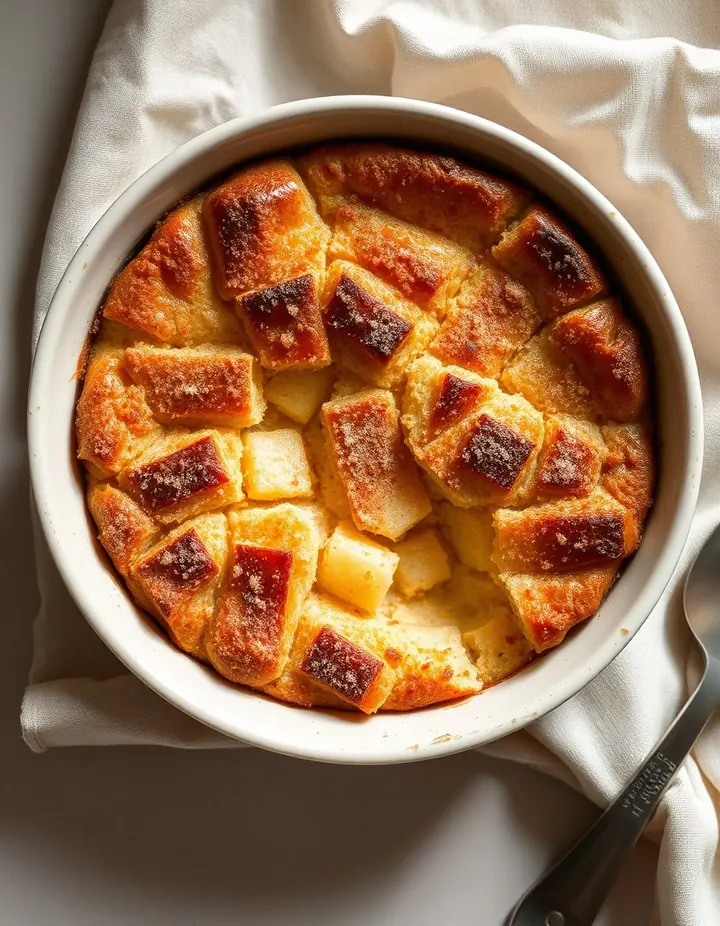 Bread Pudding336 recipes
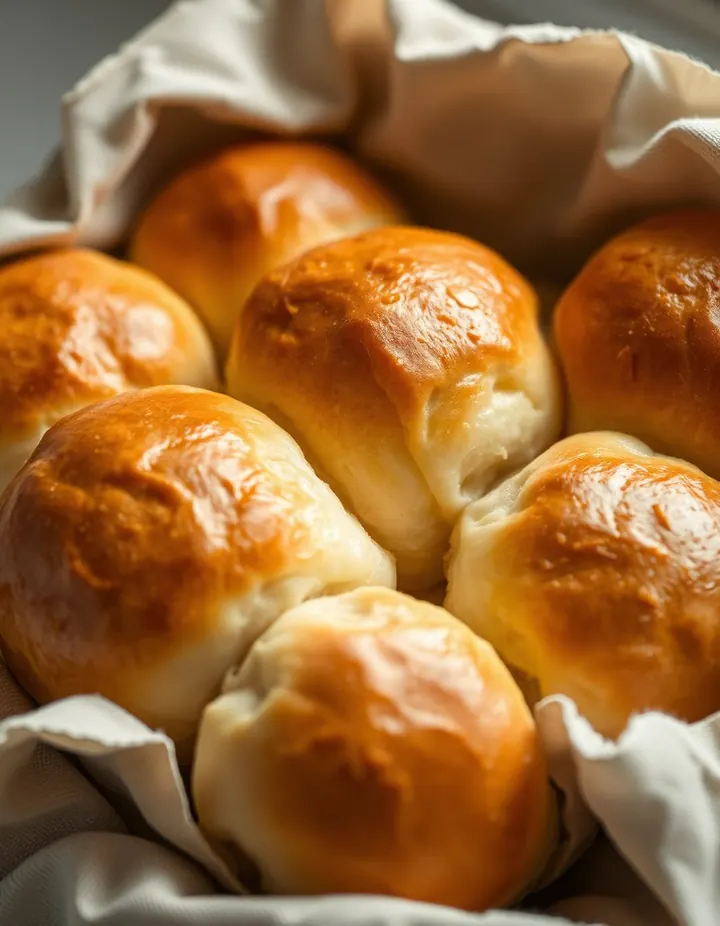 Milk Bread Rolls242 recipes
 Potato Bread124 recipes
The free Flavor Lab newsletter: one surprising pairing a week and the molecular reason it works, in 60 seconds. No spam, unsubscribe anytime.
Prefer an account? Create a free account to save pairings and unlock the full chemistry.