Why it works: Turkey and pheasant share more aroma than cooks usually use. They rank in the top 5% of all ingredient pairs, and cooks put them together in 33 recipes. Both carry decanal, which smells soap, orange peel. The science ↓
Yorkshire Pie
Ingredients
Directions
The book gives no oven temperature. The 300°F (150°C) in the steps was added when the recipe was transcribed, as a starting point.
Prepare and bake the birds
Sew the bacon and tongue with a needle and twine to prevent the force-meat from escaping while baking.
Line two round or oval braising pans with thin layers of fat bacon.
Arrange the birds neatly in the pans, cover with layers of bacon and buttered paper, and put the lids on.
Bake in a slow oven at 300°F (150°C) for about four hours, then allow to cool.
Make the aspic
Prepare aspic jelly using the carcasses of the game and poultry, calf's feet, and vegetables; clarify it.
Reduce half of the aspic jelly before pouring it into the pie.
Build the pie
Make hot water paste and use it to raise a pie large enough to hold the prepared game and poultry.
Line the inside of the pie with thin layers of fat bacon and spread a coating of well-seasoned force-meat.
Place the goose at the bottom, surround it with small birds, and fill cavities with force-meat.
Add turkey and pheasants with slices of boiled ham in between, reserving woodcocks and widgeons for the top.
Fill any remaining cavities with force-meat and truffles, then cover the pie.
Transcribed from a scanned cookbook and modernised for today's kitchens. Where the book gave no heat or time, or said "a moderate oven", the temperatures and times here may be modern equivalents rather than the book's own figures.
Explore the science
The flavor team
The pairs that carry this dish. Each one is judged two ways: how much their aromas overlap, and how often cooks already put them together.
-
Turkey + pheasanttop 5% of all pairsSmell alikestrongCooked together33 recipes
Shared aroma: decanal (soap, orange peel).
-
Truffle + hamtop 12% of all pairsSmell alikemoderateCooked together516 recipes
Shared aroma: 1-octen-3-one (mushroom, metallic).
-
Turkey + meattop 13% of all pairsSmell alikelowCooked together540 recipes
Shared aroma: 1-octen-3-ol (mushroom, earthy).
-
Ham + meattop 13% of all pairsSmell alikemoderateCooked together1,095 recipes
Shared aroma: 1-octen-3-one (mushroom, metallic).
-
Truffle + meattop 13% of all pairsSmell alikemoderateCooked together527 recipes
Shared aroma: 1-octen-3-one (mushroom, metallic).
Ranks compare each pair with 20,000 random ingredient pairs on CompKitchen. How we score pairs
What each ingredient does
- Hot water paste
- Forms a sturdy crust that holds the filling together while it bakes.
- Fat bacon
- Adds fat that keeps the birds moist and flavours the surrounding meat.
- Force-meat of fat livers
- Fills the gaps between birds and adds richness and moisture to the filling.
- Calf's feet
- Their natural gelatin helps the aspic jelly set firmly.
- Game birds
- Form the main meat filling, cooked slowly until tender.
- French truffles
- Add a strong, earthy aroma to the force-meat filling.
The step that matters
Slow bake of the birds. A low, gentle oven cooks the birds through without toughening them, while the lids and bacon layers trap moisture. The long cook also softens connective tissue, so the meat turns tender rather than dry.
“What each ingredient does” and “The step that matters” were written by Claude from this recipe’s own method and reviewed in samples by CompKitchen.
You might also like
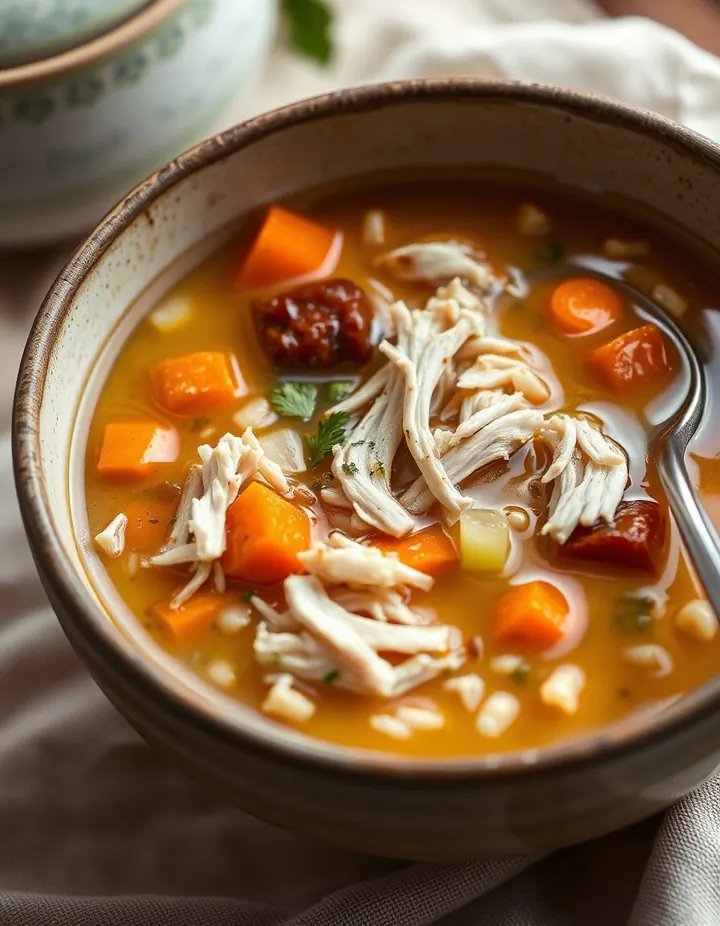 Turkey Soup71 recipes
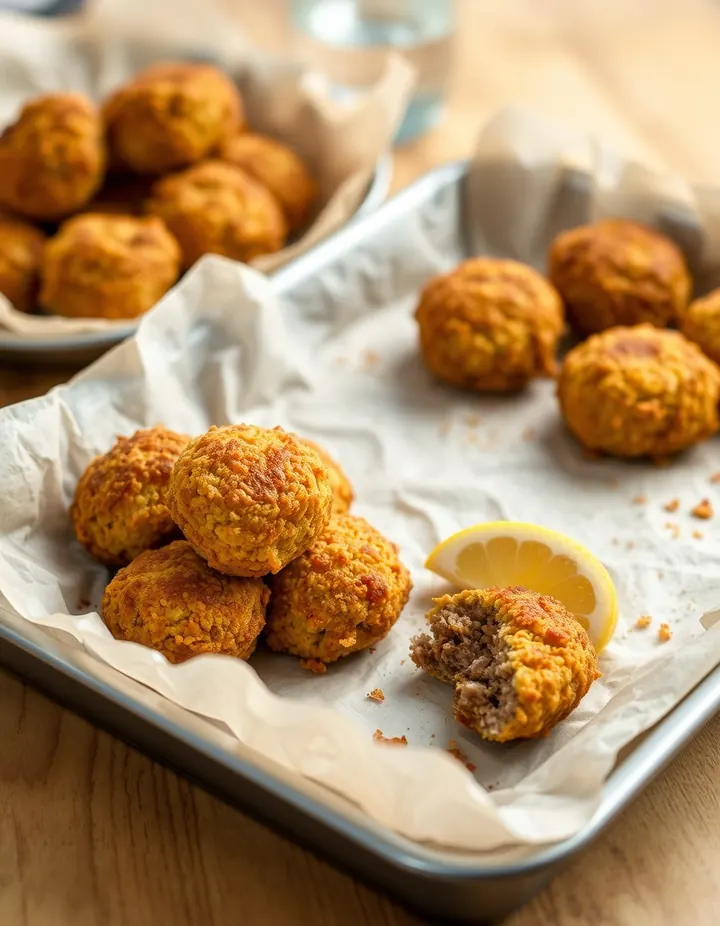 Meat Croquettes52 recipes
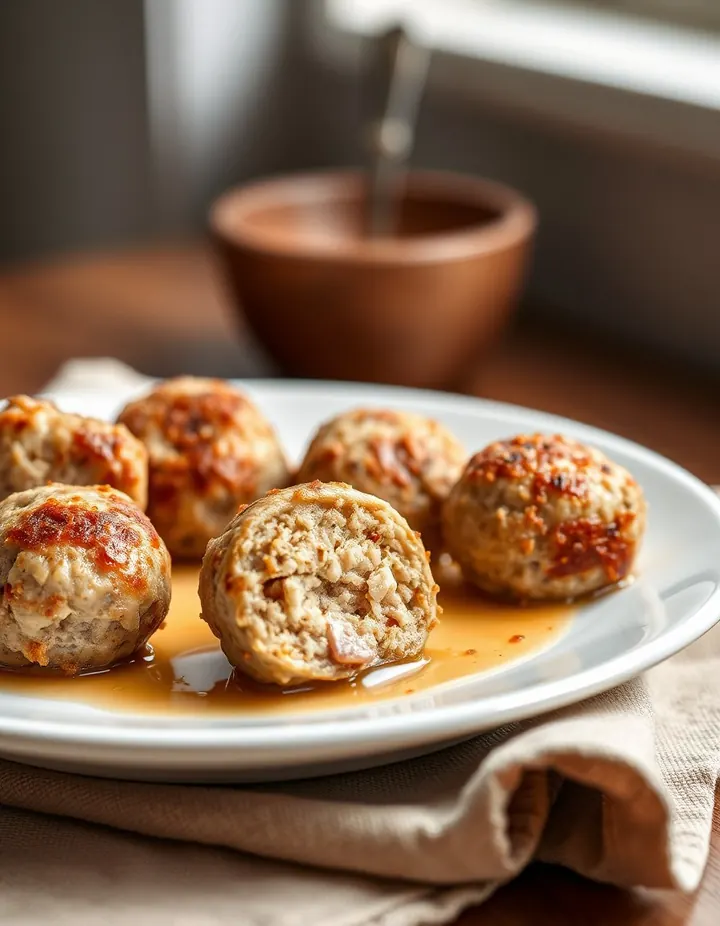 Meatballs37 recipes
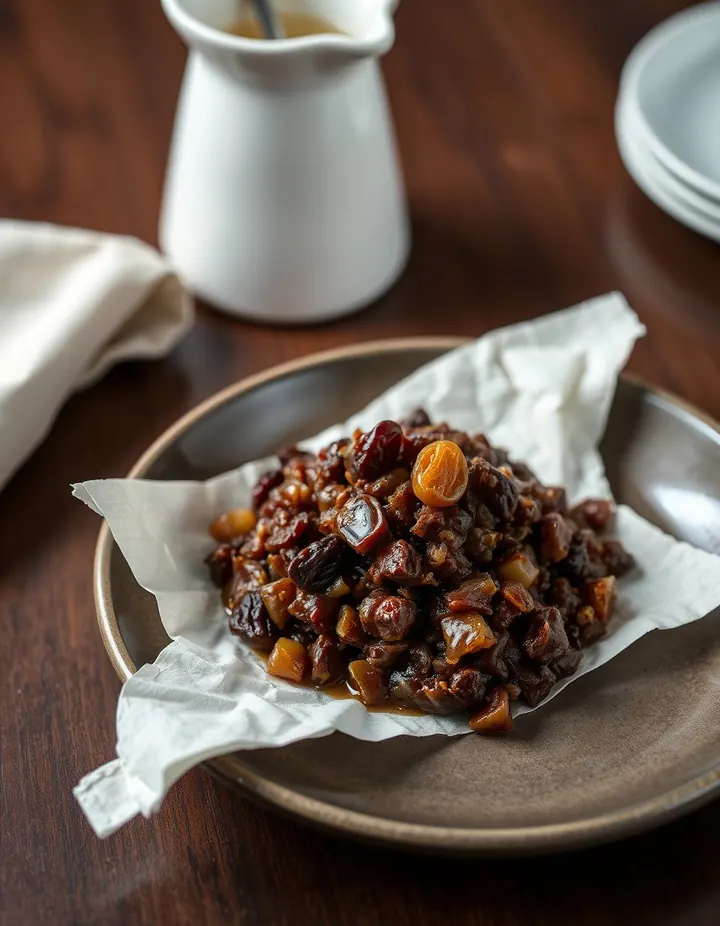 Mince Meat37 recipes
The free Flavor Lab newsletter: one surprising pairing a week and the molecular reason it works, in 60 seconds. No spam, unsubscribe anytime.
Prefer an account? Create a free account to save pairings and unlock the full chemistry.