Why it works: Mustard and horseradish match in chemistry and in kitchens. They rank in the top 1% of all ingredient pairs, and cooks put them together in 1,832 recipes. Both carry coumarin, which smells sweet, hay. The science ↓
Tartar Mustard
Ingredients
Directions
Make the mustard
In a bowl, rub the Durham mustard until smooth.
Gradually add the strong horseradish vinegar until well combined.
Stir in the coarse sea salt and cayenne or Chili vinegar.
Rest and flavor
For extra flavor, steep the scraped horseradish in boiling vinegar overnight, covered.
For best results, let the mixture sit for 2-3 days before using.
Transcribed from a scanned cookbook and modernised for today's kitchens. Where the book gave no heat or time, or said "a moderate oven", the temperatures and times here may be modern equivalents rather than the book's own figures.
Explore the science
The flavor team
The pairs that carry this dish. Each one is judged two ways: how much their aromas overlap, and how often cooks already put them together.
-
Mustard + horseradishtop 1% of all pairsSmell alikestrongCooked together1,832 recipes
Shared aroma: coumarin (sweet, hay).
-
Mustard + vinegartop 7% of all pairsSmell alikemoderateCooked together14,067 recipes
Shared aroma: isobutyraldehyde (malty, green).
-
Vinegar + horseradishtop 12% of all pairsSmell alikemoderateCooked together2,609 recipes
Shared aroma: isobutyraldehyde (malty, green).
Ranks compare each pair with 20,000 random ingredient pairs on CompKitchen. How we score pairs
What each ingredient does
- Durham mustard
- Provides the main mustard flavor and the paste's body.
- Strong horseradish vinegar
- Adds sharp acidity and liquid to loosen the mustard into a paste.
- Scraped horseradish
- Adds pungent aroma and heat that develops as it steeps.
- Cayenne or chili vinegar
- Adds heat and acidity that brighten the mustard's flavor.
The step that matters
Rubbing the mustard until smooth before adding vinegar. Mustard flavor comes from enzymes released when ground seed is moistened, and the paste needs even mixing so the vinegar is absorbed without lumps. Adding liquid too fast can leave dry clumps that taste unevenly sharp.
“What each ingredient does” and “The step that matters” were written by Claude from this recipe’s own method and reviewed in samples by CompKitchen.
You might also like
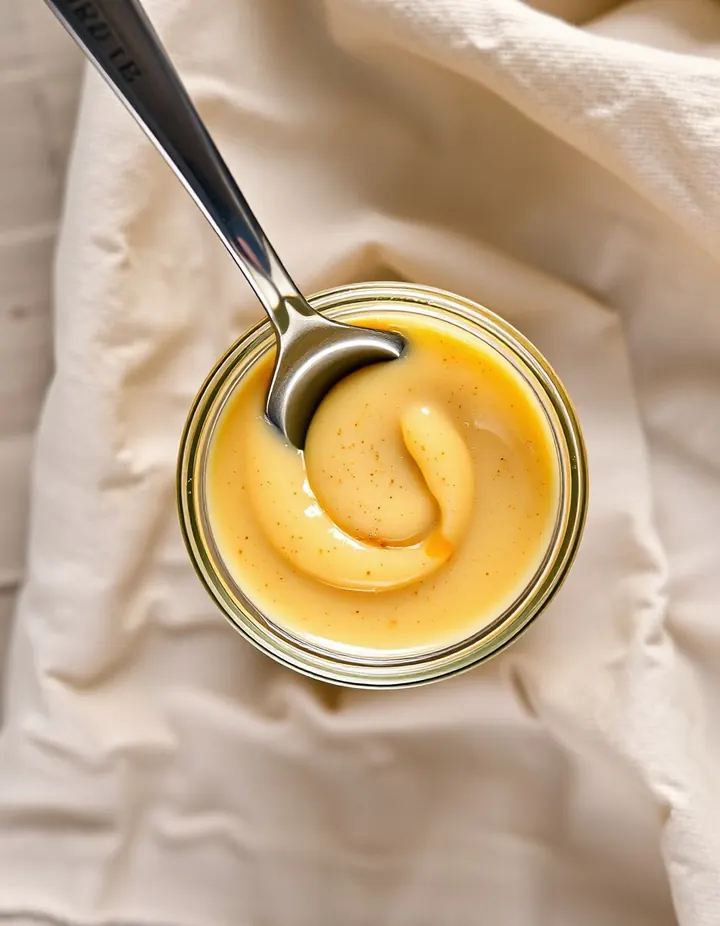 Mixed Mustard9 recipes
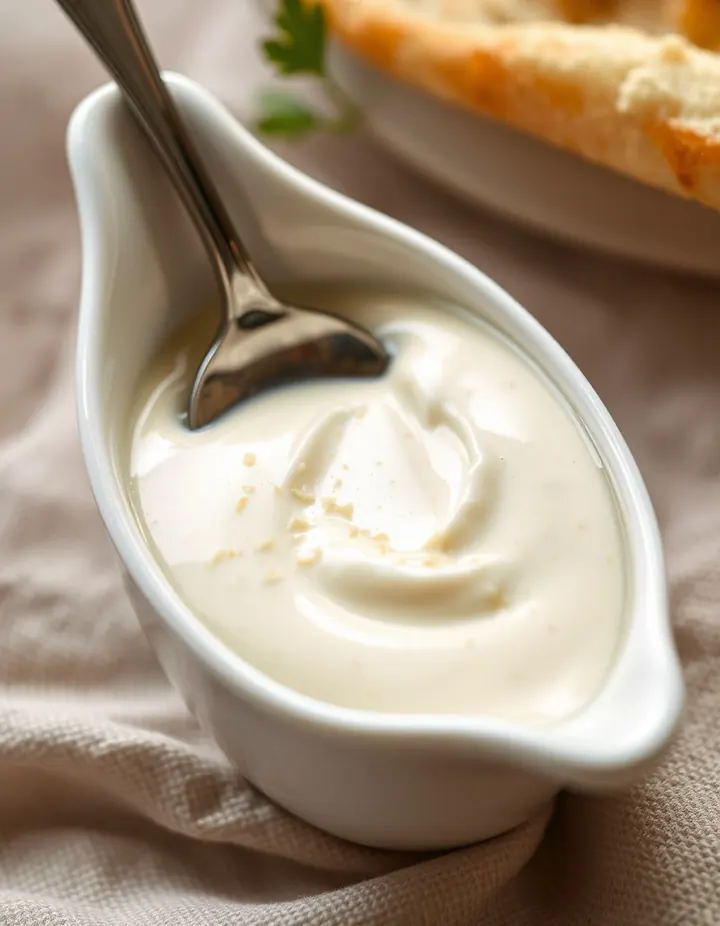 Horseradish Cream Sauce6 recipes
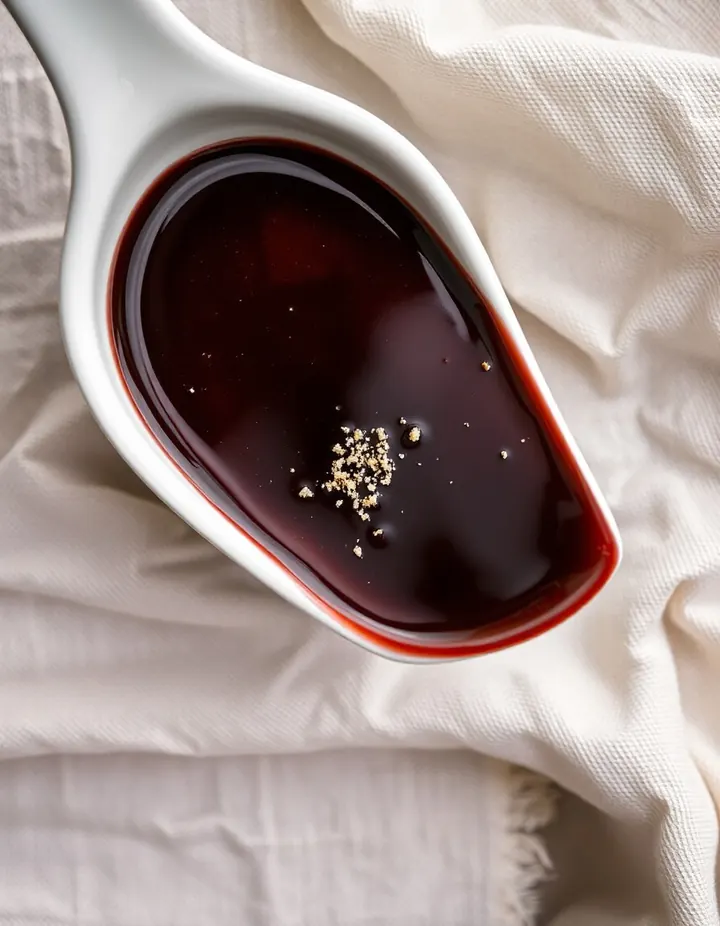 Wine Sauce (for stewed fruit)186 recipes
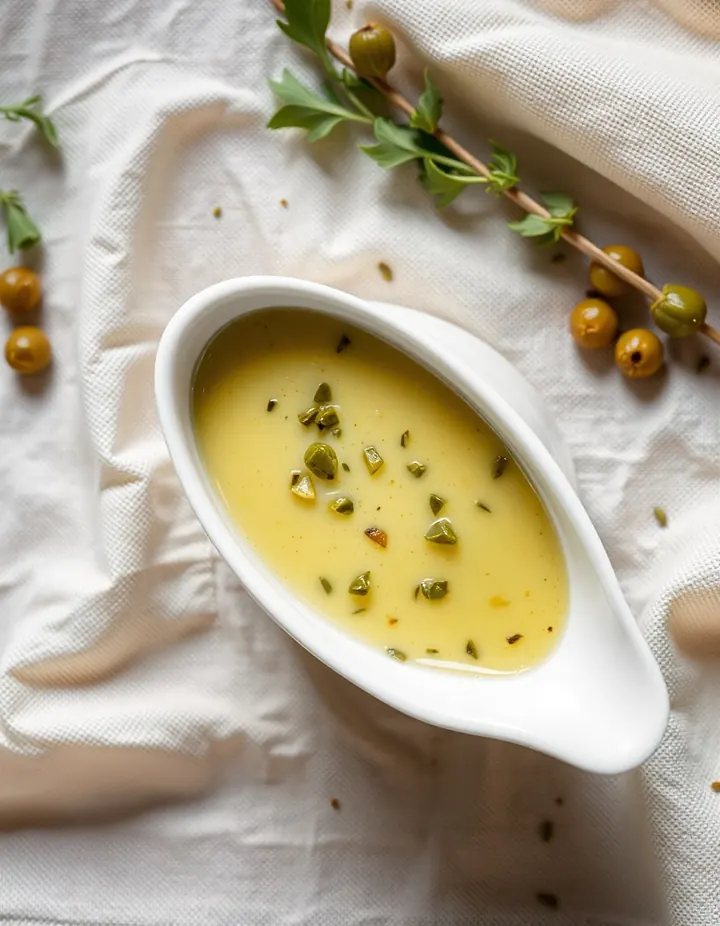 Caper Sauce180 recipes
The free Flavor Lab newsletter: one surprising pairing a week and the molecular reason it works, in 60 seconds. No spam, unsubscribe anytime.
Prefer an account? Create a free account to save pairings and unlock the full chemistry.