Why it works: Pepper and lemon match in chemistry and in kitchens. They rank in the top 3% of all ingredient pairs, and cooks put them together in 27,047 recipes. Both carry trans-2-nonenal, which smells cardboard, fatty. The science ↓
Baked Salmon or Halibut
Ingredients
Directions
The book gives no oven temperature. The 400°F (200°C) in the steps was added when the recipe was transcribed, as a starting point.
Prepare the fish
Dip the fish in boiling water.
Scrape the fish clean.
Rub the fish with coarse sea salt and black pepper.
Place the fish in a pan.
Pour milk over the fish until it is ½ inch deep.
Bake
Bake at 400°F (200°C) for about 1 hour.
Baste the fish with the milk during baking.
Let the milk cook away towards the end for browning.
Make the hollandaise and serve
Cream the butter for the hollandaise sauce.
Add the egg yolks one at a time, beating well.
Stir in lemon juice, salt, and cayenne pepper.
Add boiling water to the sauce and stir rapidly until thickened like custard.
Pour the sauce around the fish on the platter, not over it.
Transcribed from a scanned cookbook and modernised for today's kitchens. Where the book gave no heat or time, or said "a moderate oven", the temperatures and times here may be modern equivalents rather than the book's own figures.
Explore the science
The flavor team
The pairs that carry this dish. Each one is judged two ways: how much their aromas overlap, and how often cooks already put them together.
-
Pepper + lemontop 3% of all pairsSmell alikestrongCooked together27,047 recipes
Shared aroma: trans-2-nonenal (cardboard, fatty).
-
Milk + buttertop 7% of all pairsSmell alikemoderateCooked together81,283 recipes
Shared aroma: (z)-4-heptenal (biscuit, cream).
-
Fish + buttertop 12% of all pairsSmell alikemoderateCooked together4,488 recipes
Shared aroma: (z)-4-heptenal (biscuit, cream).
-
Fish + milktop 13% of all pairsSmell alikemoderateCooked together1,432 recipes
Shared aroma: 4-heptenal (creamy, biscuit).
-
Sauce + buttertop 15% of all pairsSmell alikelowCooked together15,338 recipes
Shared aroma: ethanol (alcoholic, ethereal).
Sauce and butter barely smell alike, yet cooks put them together in 15,338 recipes: they work on texture and structure more than aroma.
Ranks compare each pair with 20,000 random ingredient pairs on CompKitchen. How we score pairs
What each ingredient does
- Fish
- Forms the main body of the dish, cooking through gently in the milk.
- Butter
- Adds richness and fat that gives the sauce a smooth, silky texture.
- Egg yolks
- Emulsify with the butter and thicken the sauce as it heats.
- Lemon juice
- Adds acidity that brightens the rich sauce and balances its fat.
- Milk
- Moistens the fish while baking and browns as its solids cook down.
The step that matters
Stirring the sauce as the boiling water goes in. Egg yolks can scramble if they get too hot too fast. Adding boiling water gradually while stirring rapidly keeps the yolks evenly warmed, so the sauce thickens smoothly like custard instead of curdling.
“What each ingredient does” and “The step that matters” were written by Claude from this recipe’s own method and reviewed in samples by CompKitchen.
You might also like
 Lemon Sauce236 recipes
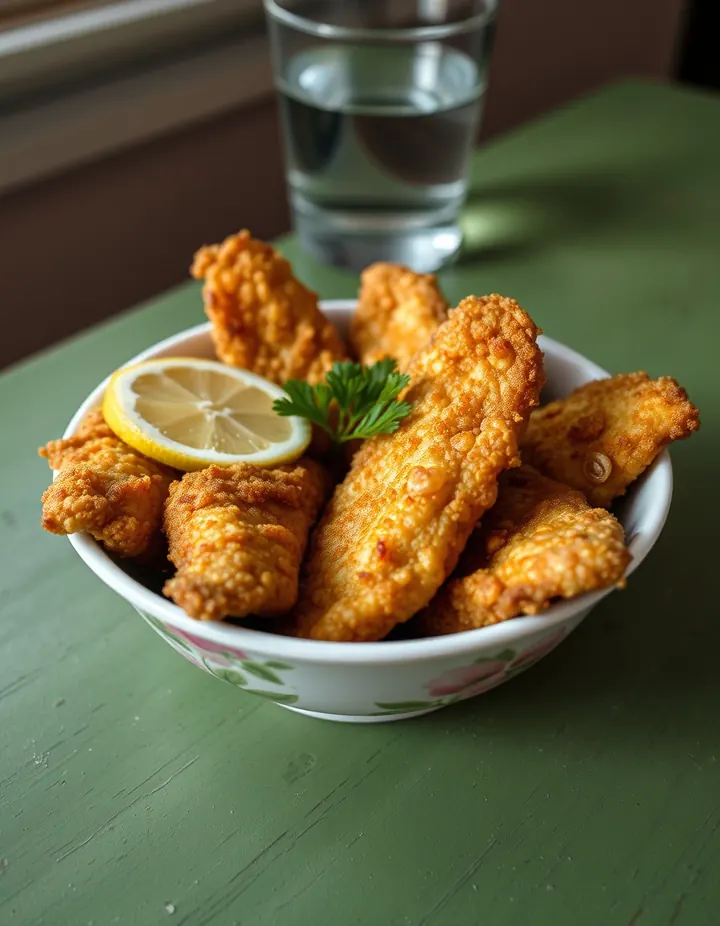 Fried Fish120 recipes
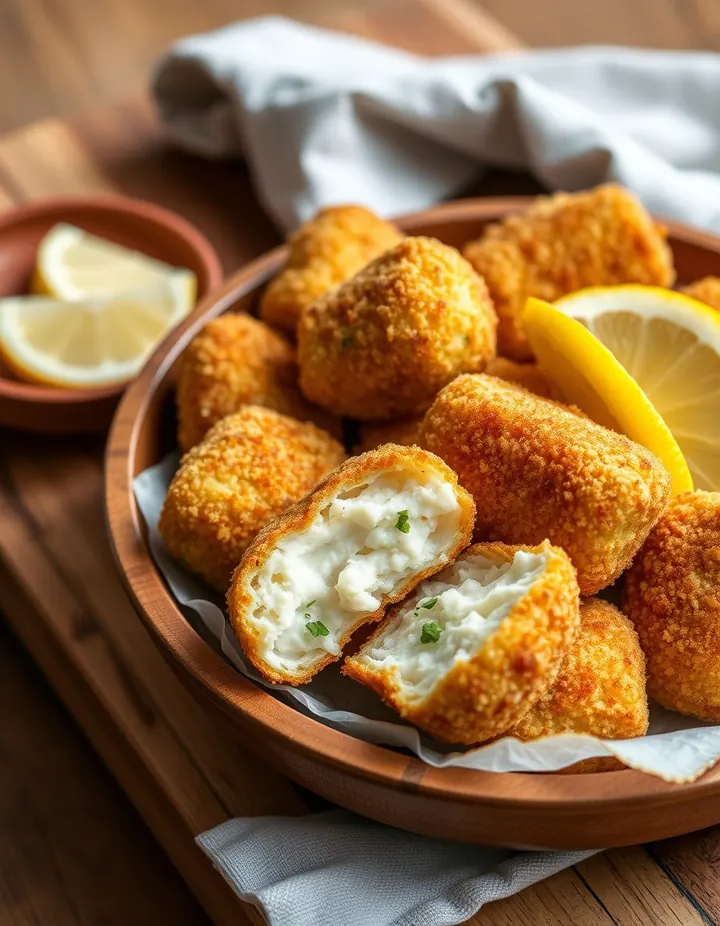 Fish Croquettes81 recipes
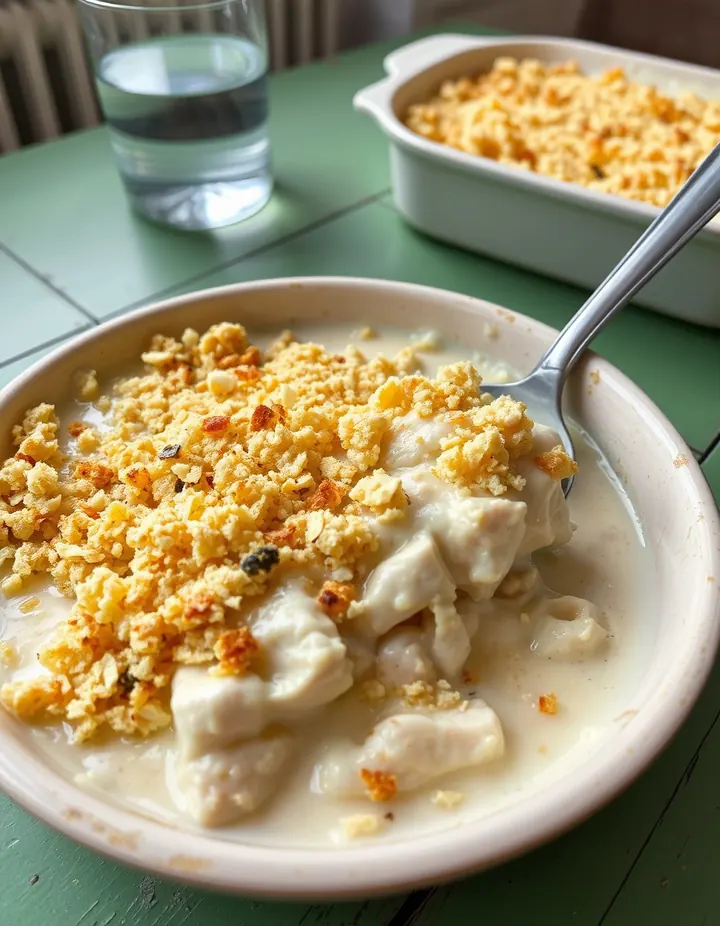 Scalloped Cod69 recipes
The free Flavor Lab newsletter: one surprising pairing a week and the molecular reason it works, in 60 seconds. No spam, unsubscribe anytime.
Prefer an account? Create a free account to save pairings and unlock the full chemistry.