Why it works: Pepper and lemon match in chemistry and in kitchens. They rank in the top 3% of all ingredient pairs, and cooks put them together in 27,047 recipes. Both carry trans-2-nonenal, which smells cardboard, fatty. The science ↓
Sweetbreads Like Oystees
Ingredients
Directions
Boil the sweetbreads in water with a little coarse sea salt until tender.
Pound or mash the sweetbreads until fine.
Mix in bread crumbs, a little butter, pepper, salt, and lemon juice.
Add enough beaten egg to bind the mixture together.
Form the mixture into cakes the size of an oyster.
Fry the cakes until golden brown and serve.
Transcribed from a scanned cookbook and modernised for today's kitchens. Where the book gave no heat or time, or said "a moderate oven", the temperatures and times here may be modern equivalents rather than the book's own figures.
Explore the science
The flavor team
The pairs that carry this dish. Each one is judged two ways: how much their aromas overlap, and how often cooks already put them together.
-
Pepper + lemontop 3% of all pairsSmell alikestrongCooked together27,047 recipes
Shared aroma: trans-2-nonenal (cardboard, fatty).
-
Bread + buttertop 7% of all pairsSmell alikemoderateCooked together27,232 recipes
Shared aroma: delta-decalactone (sweet, creamy).
-
Bread + eggtop 13% of all pairsSmell alikemoderateCooked together22,662 recipes
Shared aroma: (e)-2-octenal (fatty, green).
-
Butter + lemontop 16% of all pairsSmell alikemoderateCooked together41,227 recipes
Shared aroma: 3-hexenal (apple, fruity).
-
Bread + peppertop 16% of all pairsSmell alikemoderateCooked together20,964 recipes
Shared aroma: 2-nonenal (fatty, green).
Ranks compare each pair with 20,000 random ingredient pairs on CompKitchen. How we score pairs
You might also like
 Brown Bread461 recipes
 Lemon Sauce236 recipes
 White Bread80 recipes
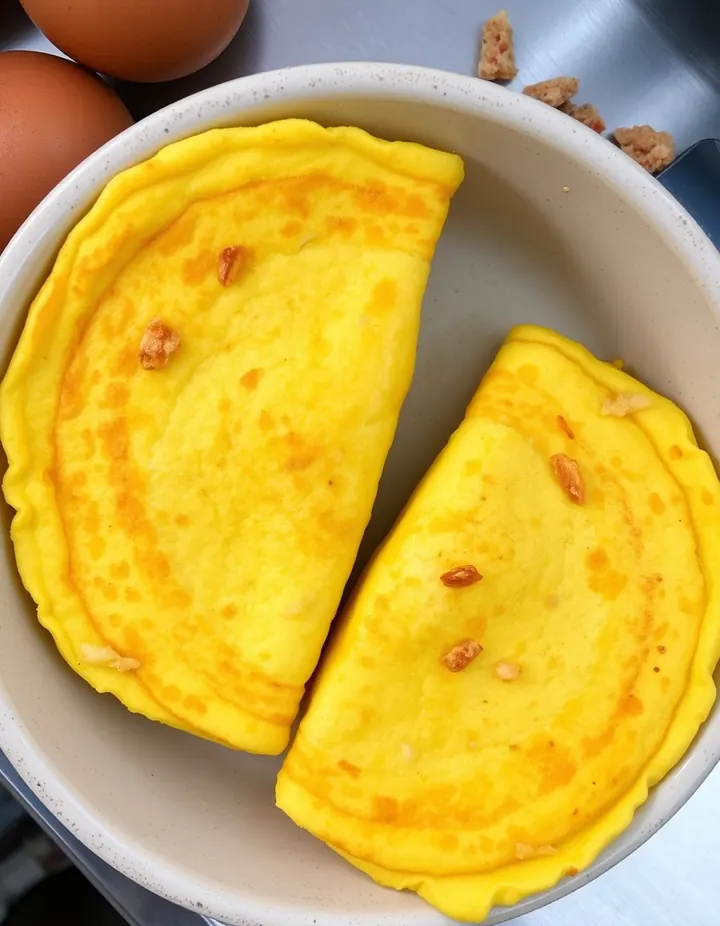 Bread Omelette60 recipes
The free Flavor Lab newsletter: one surprising pairing a week and the molecular reason it works, in 60 seconds. No spam, unsubscribe anytime.
Prefer an account? Create a free account to save pairings and unlock the full chemistry.