Why it works: Milk and vanilla are a kitchen classic. They rank in the top 5% of all ingredient pairs, and cooks put them together in 19,187 recipes. Both carry ethyl caproate, which smells fruity, apple peel. The science ↓
Spanish Chocolate Cake
Ingredients
Directions
The book gives no oven temperature. The 350°F (175°C) in the steps was added when the recipe was transcribed, as a starting point.
Make the cake
Dissolve the grated chocolate, granulated sugar, and 2 tablespoons of milk in a saucepan over low heat.
Beat the butter and powdered sugar in a mixing bowl until creamy.
Add the eggs one at a time, beating well after each addition.
Mix in the vanilla.
Stir in the dissolved chocolate mixture and beat thoroughly.
Gradually add ¼ cup of milk, flour, and baking powder (mixed with a little flour) last.
Pour the batter into an oblong pan, about ¾ inch thick, and bake at 350°F (175°C).
Make the frosting and finish
Melt the ounce of unsweetened chocolate in a teacup placed in boiling water.
Boil together 1 cup of granulated sugar and 5 tablespoons of milk in a saucepan until it forms a soft ball in cold water.
Remove from heat, add vanilla to flavor, and beat until white, soft, and creamy.
Spread the frosting on the warm cake.
Coat with the melted chocolate using a pastry brush or knife.
Cut the cake into squares or diamonds and serve the same day.
Transcribed from a scanned cookbook and modernised for today's kitchens. Where the book gave no heat or time, or said "a moderate oven", the temperatures and times here may be modern equivalents rather than the book's own figures.
Explore the science
The flavor team
The pairs that carry this dish. Each one is judged two ways: how much their aromas overlap, and how often cooks already put them together.
-
Milk + vanillatop 5% of all pairsSmell alikemoderateCooked together19,187 recipes
Shared aroma: ethyl caproate (fruity, apple peel).
-
Chocolate + vanillatop 5% of all pairsSmell alikemoderateCooked together10,020 recipes
Shared aroma: sotolon (curry, maple).
-
Milk + buttertop 7% of all pairsSmell alikemoderateCooked together81,283 recipes
Shared aroma: (z)-4-heptenal (biscuit, cream).
-
Sugar + vanillatop 8% of all pairsSmell alikelowCooked together35,032 recipes
Shared aroma: beta-damascenone (apple, rose).
-
Butter + flourtop 12% of all pairsSmell alikelowCooked together124,287 recipes
Shared aroma: isobutyraldehyde (malty, green).
Sugar and vanilla barely smell alike, yet cooks put them together in 35,032 recipes: they work on texture and structure more than aroma.
Ranks compare each pair with 20,000 random ingredient pairs on CompKitchen. How we score pairs
What each ingredient does
- Eggs
- Provide structure and richness, binding the batter as they set in the oven.
- All-purpose flour
- Forms the cake's structure as its proteins set during baking.
- Butter
- Adds fat for tenderness and a rich texture in the crumb.
- Baking powder
- Releases gas during baking so the cake rises and becomes lighter.
- Unsweetened chocolate
- Provides the chocolate flavor and deep color in both cake and coating.
- Granulated sugar
- Sweetens the cake and helps make the soft, creamy frosting.
The step that matters
Boil the frosting sugar to a soft ball. Sugar syrup must reach the right concentration to set into a soft, creamy frosting. Undercooked syrup stays runny, while overcooked syrup turns hard and grainy when beaten.
“What each ingredient does” and “The step that matters” were written by Claude from this recipe’s own method and reviewed in samples by CompKitchen.
You might also like
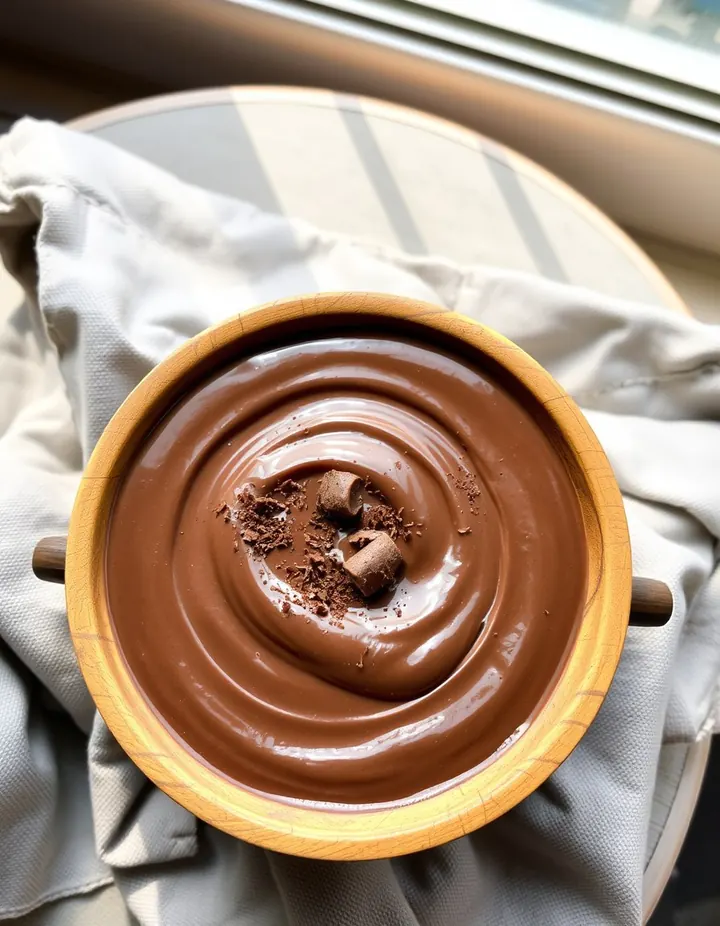 Chocolate Cream171 recipes
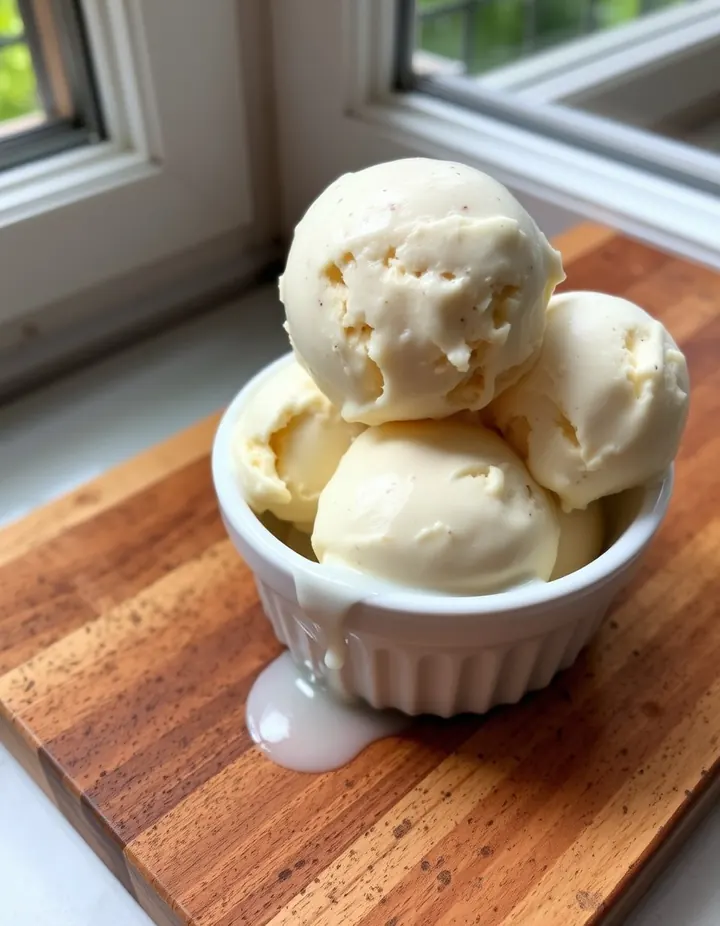 Vanilla Ice Cream108 recipes
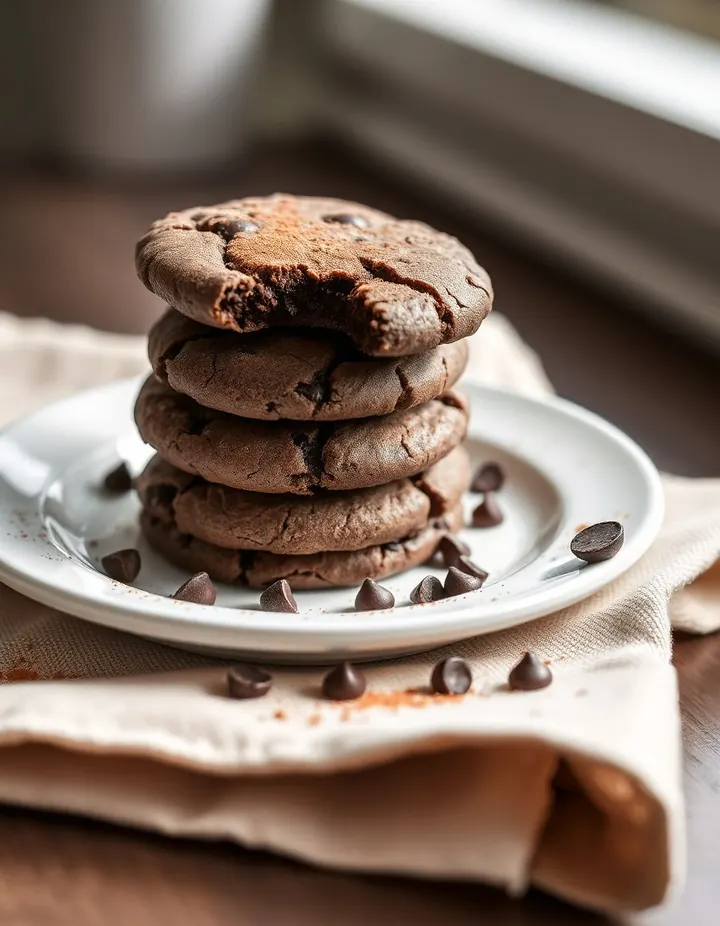 Chocolate Cookies76 recipes
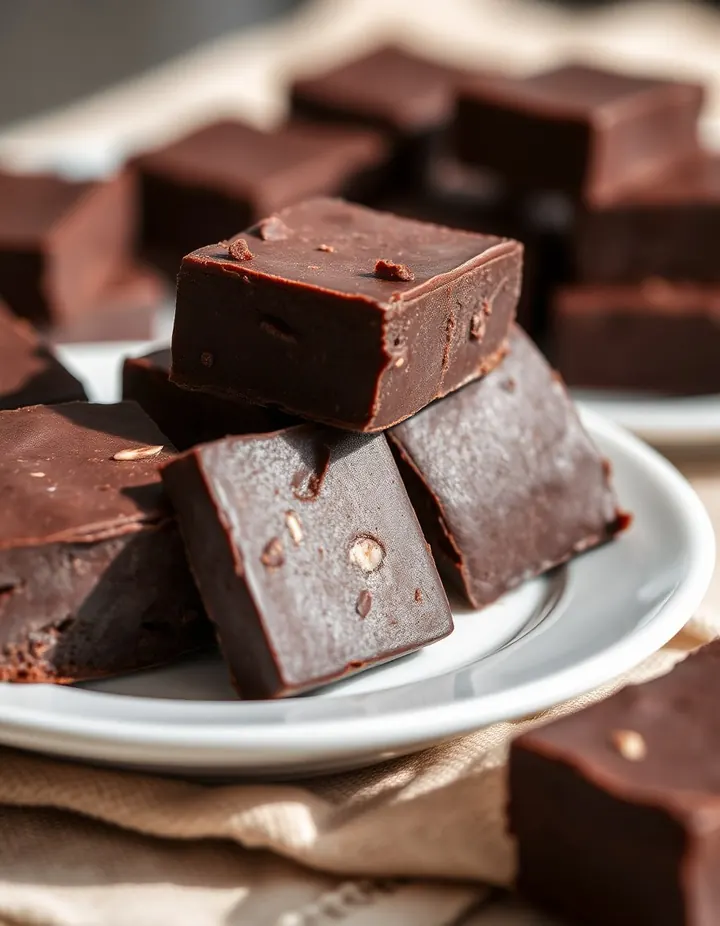 Chocolate Fudge55 recipes
The free Flavor Lab newsletter: one surprising pairing a week and the molecular reason it works, in 60 seconds. No spam, unsubscribe anytime.
Prefer an account? Create a free account to save pairings and unlock the full chemistry.