Why it works: Clove and pepper match in chemistry and in kitchens. They rank in the top 5% of all ingredient pairs, and cooks put them together in 17,451 recipes. Both carry ethyl octanoate, which smells fruity, wine. The science ↓
Artificial Hare Soup
Ingredients
Directions
Prepare the heart
Obtain a bullock's heart and clean it by removing the pipes and outer skin.
Slice the heart and place it in a covered earthen jar.
Add onions (one stuck with cloves), mace, pepper, salt, sweet herbs, bread, and butter mixed with flour.
Cover the ingredients with water.
Seal the jar with a lid and a paste to prevent steam from escaping.
Simmer
Place the jar in a pot of boiling water, ensuring the water nearly reaches the top of the jar, and simmer for several hours.
Keep adding boiling water to the pot as it evaporates.
Finish the soup
Once the meat is tender, pound it with the bread in a mortar until fine.
Occasionally add broth made from fresh beef while pounding.
Pass the mixture through a sieve and add the cooking liquid from the heart.
Add enough beef broth to achieve the desired soup quantity.
Bring to a boil and season with cayenne and salt.
If the soup is not thick enough, add flour and butter until it reaches a creamy consistency.
Stir in sugar and a splash of port wine.
Transcribed from a scanned cookbook and modernised for today's kitchens. Where the book gave no heat or time, or said "a moderate oven", the temperatures and times here may be modern equivalents rather than the book's own figures.
Explore the science
The flavor team
The pairs that carry this dish. Each one is judged two ways: how much their aromas overlap, and how often cooks already put them together.
-
Clove + peppertop 5% of all pairsSmell alikestrongCooked together17,451 recipes
Shared aroma: ethyl octanoate (fruity, wine).
-
Clove + macetop 6% of all pairsSmell alikelowCooked together8,400 recipes
Shared aroma: methyleugenol (clove, spice).
-
Bread + buttertop 7% of all pairsSmell alikemoderateCooked together27,232 recipes
Shared aroma: delta-decalactone (sweet, creamy).
-
Onion + peppertop 11% of all pairsSmell alikemoderateCooked together68,474 recipes
Shared aroma: 2-isopropyl-3-methoxypyrazine (earthy, pea).
-
Butter + flourtop 12% of all pairsSmell alikelowCooked together124,287 recipes
Shared aroma: isobutyraldehyde (malty, green).
Butter and flour barely smell alike, yet cooks put them together in 124,287 recipes: they work on texture and structure more than aroma.
Ranks compare each pair with 20,000 random ingredient pairs on CompKitchen. How we score pairs
What each ingredient does
- Bullock's heart
- Provides the meat and rich flavour that form the body of the soup.
- Onions
- Add sweetness and aromatic flavour to the cooking liquid.
- Bread
- Thickens the soup when pounded to a fine texture.
- Butter and flour
- Enrich the soup and add body to reach a creamy consistency.
- Port wine
- Adds depth and a touch of sweetness and aroma at the end.
The step that matters
Sealing the jar and keeping it simmering. If steam escapes or the pot boils dry, the heart cooks unevenly and the broth concentrates or scorches. Keeping the water level topped up and the seal tight holds a gentle, steady heat for slow tenderising.
Swap the mace
How well each one fits the dish's main ingredients (onion, clove, pepper, bread, butter, flour, sugar):
- Cinnamonfits better
- Nutmegfits better
- Allspicefits better
- Macethe original
Fit is the average pairing score against onion, clove, pepper, bread, butter, flour, sugar. Candidates are from the same food group and used in at least 100 recipes.
“What each ingredient does” and “The step that matters” were written by Claude from this recipe’s own method and reviewed in samples by CompKitchen.
You might also like
 Brown Bread461 recipes
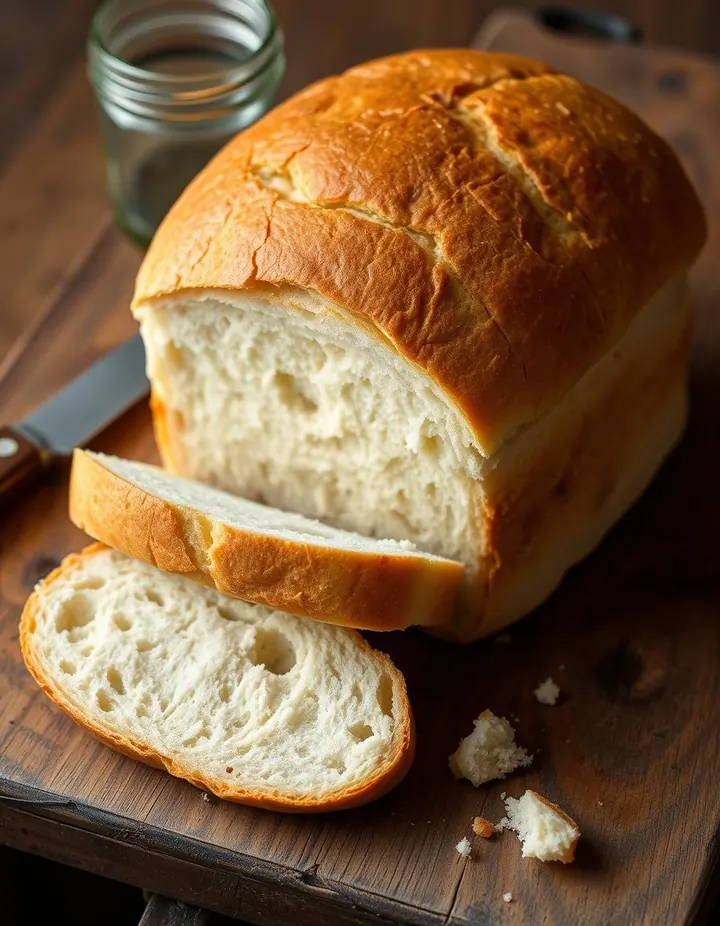 White Bread80 recipes
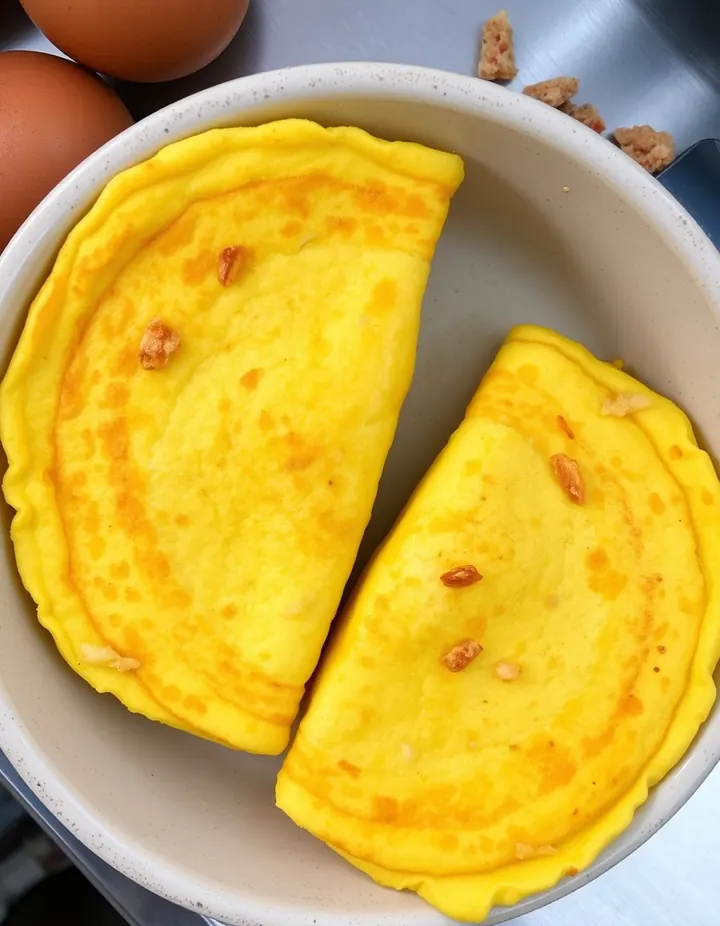 Bread Omelette60 recipes
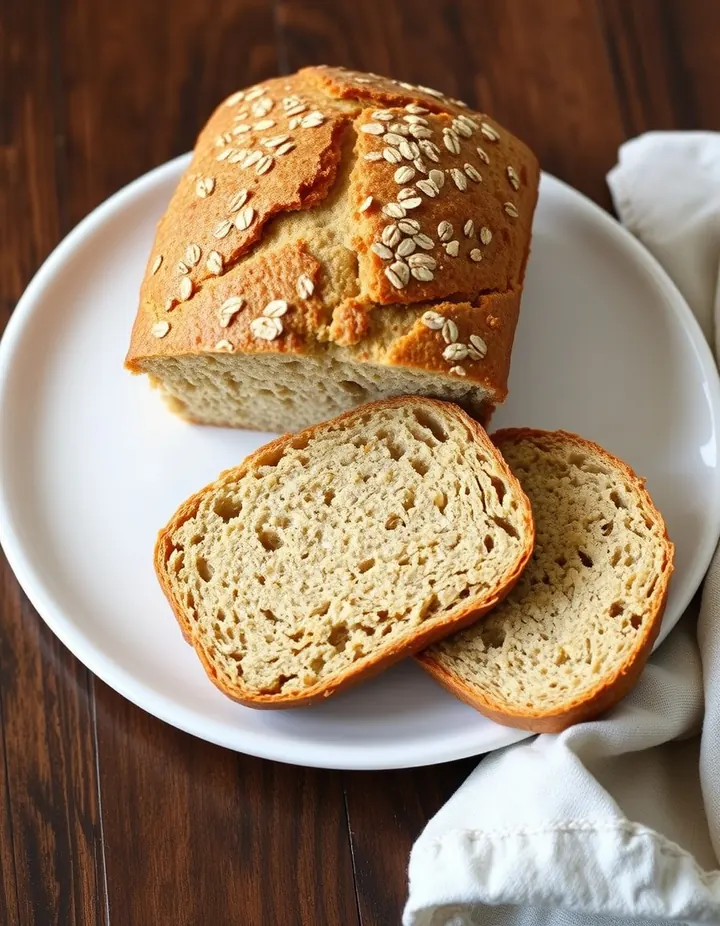 Oatmeal Bread51 recipes
The free Flavor Lab newsletter: one surprising pairing a week and the molecular reason it works, in 60 seconds. No spam, unsubscribe anytime.
Prefer an account? Create a free account to save pairings and unlock the full chemistry.