Why it works: Molasses and pepper work together. They rank in the top 31% of all ingredient pairs, and cooks put them together in 897 recipes. Both carry ethanol, which smells alcoholic, ethereal. The science ↓
To Cure Hams
Ingredients
Directions
Prepare
Trim the large end of the ham round and smooth.
Mix the molasses and cayenne pepper together.
Baste the hams well with the mixture.
Cure
Place the hams on a shelf or table and cover them with coarse sea salt.
Sprinkle a pinch of saltpeter over each ham for color.
Let the meat remain in salt for six weeks if the weather is very cold, or four weeks if the weather is soft and warm.
Hang and smoke
Hang the hams up.
Smoke the hams.
Transcribed from a scanned cookbook and modernised for today's kitchens. Where the book gave no heat or time, or said "a moderate oven", the temperatures and times here may be modern equivalents rather than the book's own figures.
Explore the science
The flavor team
The pairs that carry this dish. Each one is judged two ways: how much their aromas overlap, and how often cooks already put them together.
-
Molasses + peppertop 31% of all pairsSmell alikelowCooked together897 recipes
Shared aroma: ethanol (alcoholic, ethereal).
Ranks compare each pair with 20,000 random ingredient pairs on CompKitchen. How we score pairs
What each ingredient does
- Common molasses
- Adds sweetness and moisture to the surface of the meat.
- Cayenne pepper
- Adds heat and flavor to the coating applied to the meat.
- Coarse sea salt
- Draws moisture out of the meat and preserves it during the cure.
- Saltpeter
- Helps the meat keep a pink color during curing.
The step that matters
Leaving the hams in salt for the full cure time. Salt must penetrate the whole ham to preserve it. Cutting the time short, or curing in warm weather without adjusting, can leave the centre under-cured and at risk of spoiling.
“What each ingredient does” and “The step that matters” were written by Claude from this recipe’s own method and reviewed in samples by CompKitchen.
More ham curing recipes
You might also like
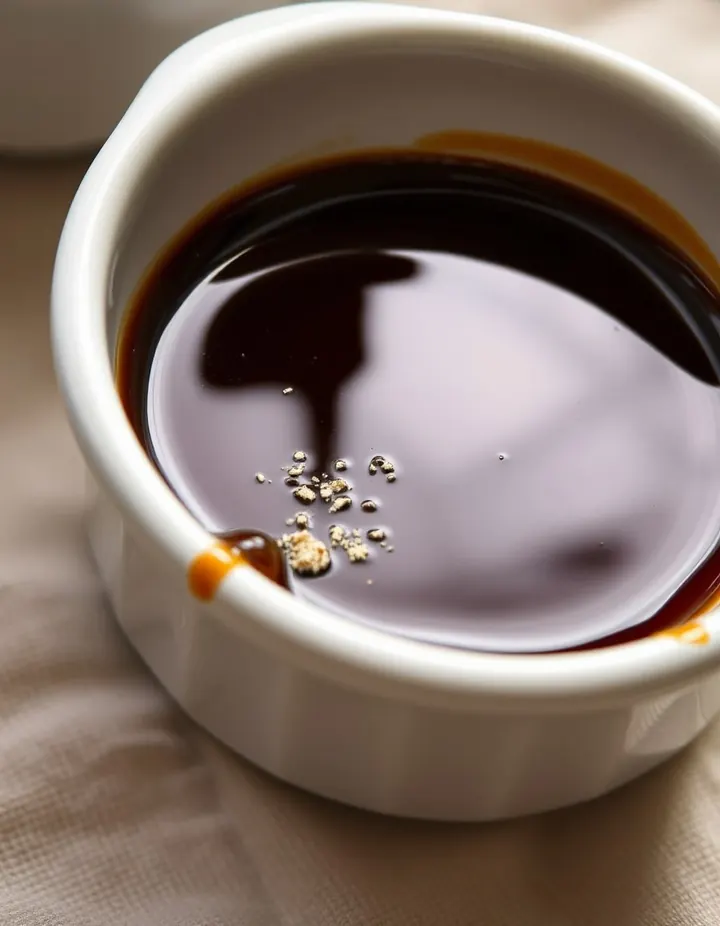 Molasses Sauce32 recipes
 Tomato Soup526 recipes
 Brown Bread461 recipes
 Mutton Broth292 recipes
The free Flavor Lab newsletter: one surprising pairing a week and the molecular reason it works, in 60 seconds. No spam, unsubscribe anytime.
Prefer an account? Create a free account to save pairings and unlock the full chemistry.