Why it works: Orange and cinnamon match in chemistry and in kitchens. They rank in the top 3% of all ingredient pairs, and cooks put them together in 3,437 recipes. Both carry guaiacol, which smells smoky, sweet. The science ↓
Imitation of Windsor, or Queen's Ale
Ingredients
Directions
Make the wort
Combine 42 gallons of hot water with the malt and let it stand for 3 hours.
Add the infused hops and boil together for 3 hours.
Strain off the hops and keep them for small beer.
Let the wort cool, then add 2 quarts of ale yeast or small beer yeast.
Ferment and bottle
Mix thoroughly and often.
When fermentation slows, remove the yeast.
Tun the ale, pouring in a quart at a time.
Cover the bung-hole with paper for 2-3 days before sealing.
Transcribed from a scanned cookbook and modernised for today's kitchens. Where the book gave no heat or time, or said "a moderate oven", the temperatures and times here may be modern equivalents rather than the book's own figures.
Explore the science
The flavor team
The pairs that carry this dish. Each one is judged two ways: how much their aromas overlap, and how often cooks already put them together.
-
Orange + cinnamontop 3% of all pairsSmell alikestrongCooked together3,437 recipes
Shared aroma: guaiacol (smoky, sweet).
-
Coriander + cinnamontop 5% of all pairsSmell alikestrongCooked together1,635 recipes
Shared aroma: beta-phellandrene (minty, terpene).
-
Orange + coriandertop 7% of all pairsSmell alikestrongCooked together674 recipes
Shared aroma: trans-2-decenal (waxy, orange).
-
Honey + cinnamontop 10% of all pairsSmell alikemoderateCooked together1,446 recipes
Shared aroma: 4-methoxybenzaldehyde (sweet, anise).
-
Sugar + cinnamontop 10% of all pairsSmell alikelowCooked together30,779 recipes
Shared aroma: guaiacol (smoky, sweet).
Sugar and cinnamon barely smell alike, yet cooks put them together in 30,779 recipes: they work on texture and structure more than aroma.
Ranks compare each pair with 20,000 random ingredient pairs on CompKitchen. How we score pairs
What each ingredient does
- Pale malt
- Provides the fermentable sugars that feed the yeast and form the ale's body and colour.
- Hops
- Add bitterness that balances the malt sweetness and help preserve the ale.
- Honey
- Adds fermentable sugar and a sweet, rounded flavour to the finished ale.
- Sugar
- Provides extra fermentable sugar, raising the potential alcohol and leaving a lighter body.
- Ale yeast
- Converts sugars into alcohol and carbon dioxide, driving the fermentation.
- Liquorice root
- Adds natural sweetness and a distinctive aromatic, slightly woody flavour.
The step that matters
Cover the bung-hole with paper before sealing. Fermentation still releases carbon dioxide, and a fully sealed cask can build pressure or let in contaminants. Loosely covering it lets gas escape while keeping air-borne microbes out until the ale has settled.
Swap the coriander
How well each one fits the dish's main ingredients (malt, hops, honey, sugar, orange, cinnamon):
- Gingerfits better
- Cardamomfits better
- Clovefits better
- Corianderthe original
Fit is the average pairing score against malt, hops, honey, sugar, orange, cinnamon. Candidates are from the same food group and used in at least 100 recipes.
“What each ingredient does” and “The step that matters” were written by Claude from this recipe’s own method and reviewed in samples by CompKitchen.
You might also like
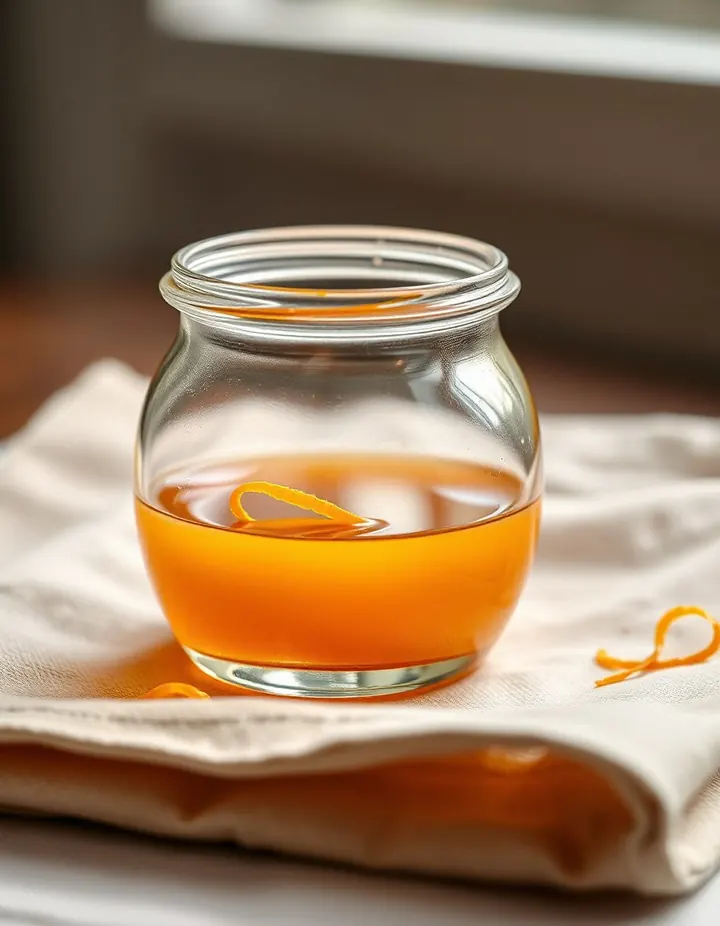 Orange Syrup47 recipes
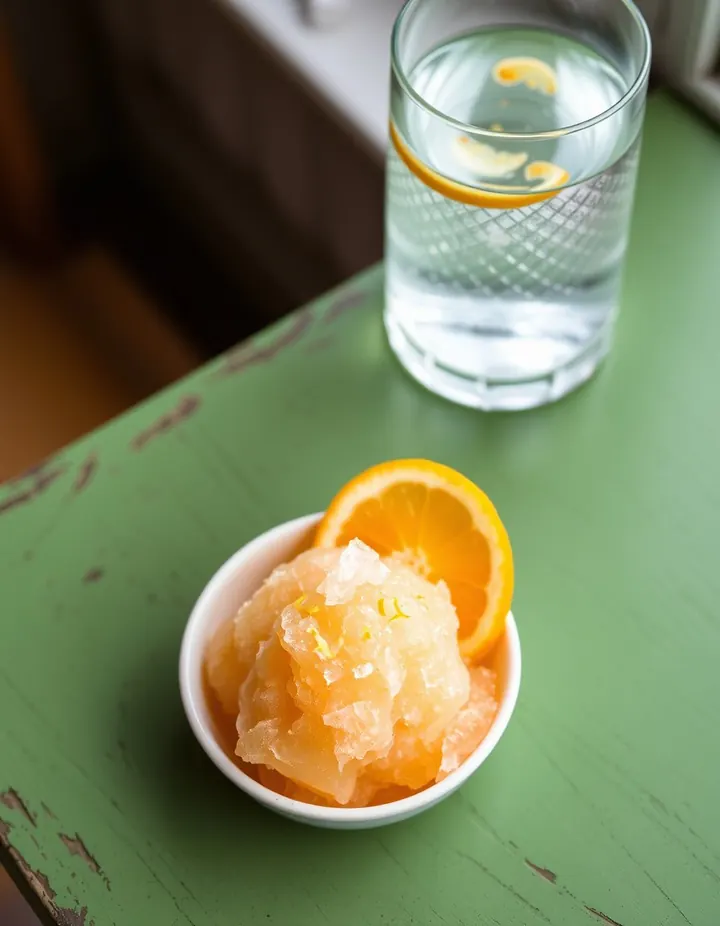 Orange Water Ice28 recipes
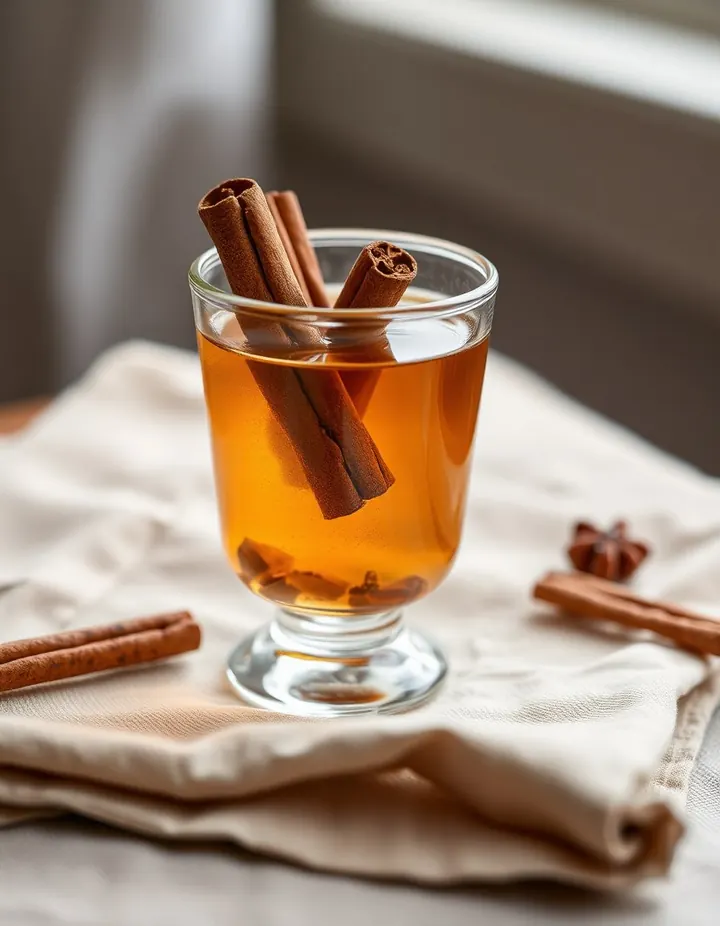 Cinnamon Tincture10 recipes
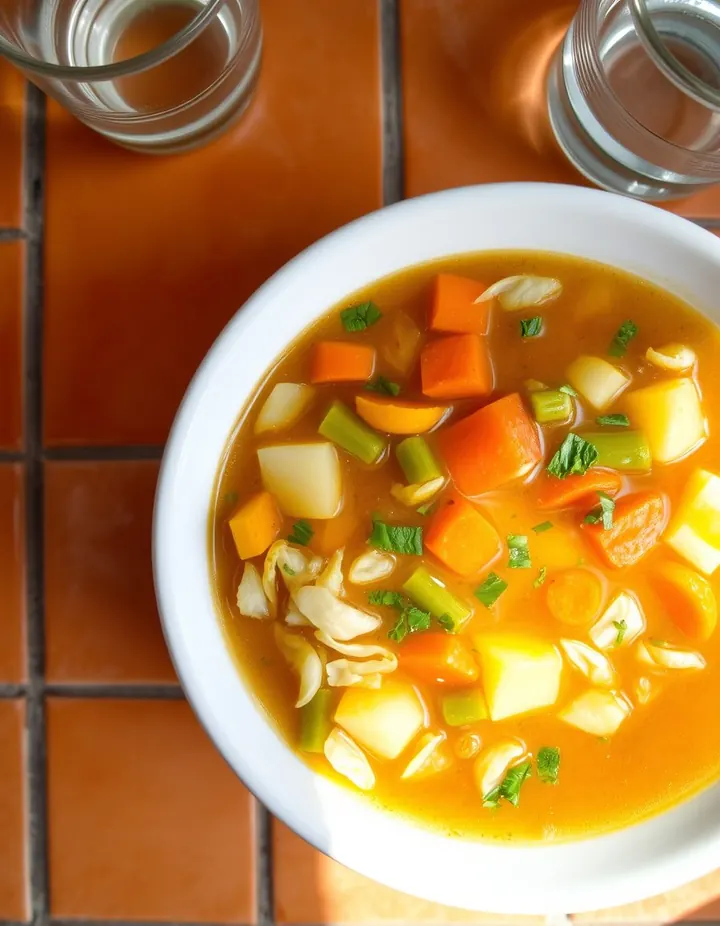 Vegetable Soup350 recipes
The free Flavor Lab newsletter: one surprising pairing a week and the molecular reason it works, in 60 seconds. No spam, unsubscribe anytime.
Prefer an account? Create a free account to save pairings and unlock the full chemistry.