Why it works: Turnip and asparagus match in chemistry and in kitchens. They rank in the top 2% of all ingredient pairs, and cooks put them together in 328 recipes. Both carry coumarin, which smells sweet, hay. The science ↓
Lamb Pie
Ingredients
Directions
The book gives no oven temperature. The 400°F (200°C) in the steps was added when the recipe was transcribed, as a starting point.
Prepare the lamb
Remove fat and bone from lamb steaks.
Cut the lamb into 4‑inch square pieces.
Season the lamb with salt and pepper.
Place the seasoned lamb in a stew pot with ½ cup of water.
Stew the lamb for about 45 minutes.
Make the dough
In a bowl, mix ½ pound of butter with 1 pound of flour.
Add cold water to the mixture to form a dough.
Roll out the dough into a large, thin sheet.
Spread the remaining butter over the dough.
Fold the dough. Sprinkle the folded dough with flour.
Divide the dough into two sheets.
Roll each sheet out.
Use the thicker sheet as the upper crust.
Cover the bottom and sides of a pie dish with the thinner sheet.
Assemble and bake
Add the stewed lamb and its gravy to the pie dish.
Scatter sliced potatoes, boiled turnips, and asparagus tops over the filling.
Dot the top with fresh butter.
Place the upper crust on the filling. Crimp the edges to seal.
Make a cross‑slit on the top crust.
Bake the pie in a 400°F (200°C) oven until light brown.
Transcribed from a scanned cookbook and modernised for today's kitchens. Where the book gave no heat or time, or said "a moderate oven", the temperatures and times here may be modern equivalents rather than the book's own figures.
Explore the science
The flavor team
The pairs that carry this dish. Each one is judged two ways: how much their aromas overlap, and how often cooks already put them together.
-
Turnip + asparagustop 2% of all pairsSmell alikestrongCooked together328 recipes
Shared aroma: coumarin (sweet, hay).
-
Potato + asparagustop 4% of all pairsSmell alikestrongCooked together217 recipes
Shared aroma: 2-isopropyl-3-methoxypyrazine (earthy, pea).
-
Flour + turniptop 7% of all pairsSmell alikestrongCooked together2,874 recipes
Shared aroma: isobutyraldehyde (malty, green).
-
Potato + turniptop 8% of all pairsSmell alikemoderateCooked together562 recipes
Shared aroma: coumarin (sweet, hay).
-
Lamb + asparagustop 9% of all pairsSmell alikemoderateCooked together207 recipes
Shared aroma: 2,4-nonadienal (fatty, green).
Ranks compare each pair with 20,000 random ingredient pairs on CompKitchen. How we score pairs
What each ingredient does
- Flour
- Forms the dough's structure, which holds the filling and gives the crust its body.
- Butter
- Layered into the dough, it adds fat that makes the crust flaky and rich.
- Lamb
- Provides the savory meat base, made tender by slow stewing in its own gravy.
- Potatoes
- Add starch and bulk to the filling, absorbing savory juices as the pie bakes.
The step that matters
Folding and rolling the buttered dough. Butter spread between dough layers creates separate sheets; if the dough warms and the butter melts into it, the crust loses flakiness and becomes dense.
Swap the mace
The recipe marks mace as optional. How well each one fits the dish's main ingredients (lamb, pepper, butter, flour, potato, turnip, asparagus):
- Parsleyfits better
- Capersfits better
- Tarragonfits better
- Macethe original
Fit is the average pairing score against lamb, pepper, butter, flour, potato, turnip, asparagus. Candidates are from the same food group and used in at least 100 recipes.
“What each ingredient does” and “The step that matters” were written by Claude from this recipe’s own method and reviewed in samples by CompKitchen.
You might also like
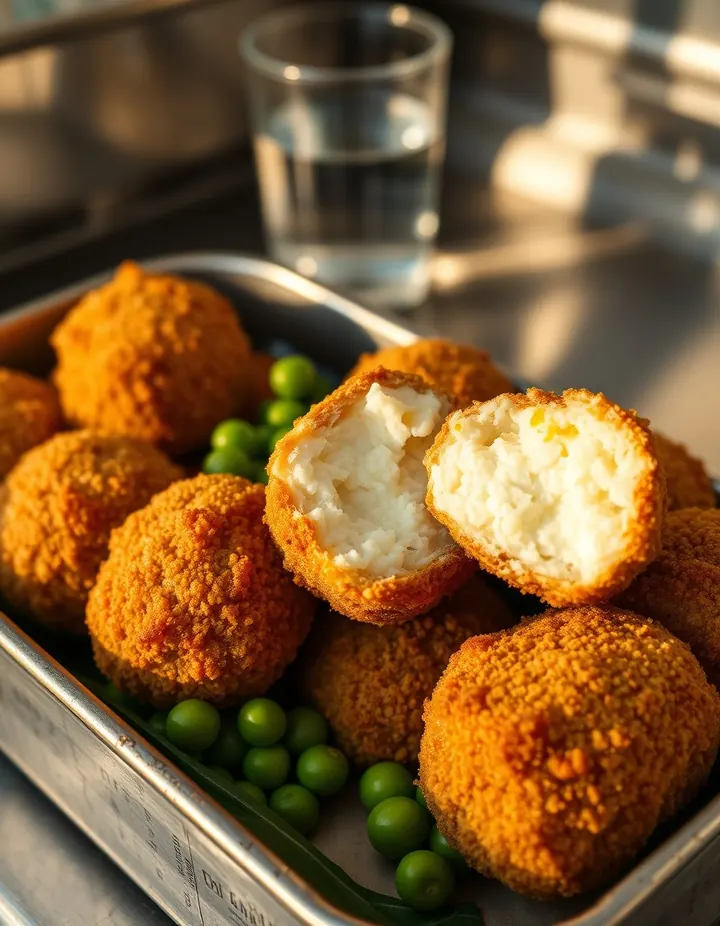 Potato Croquettes255 recipes
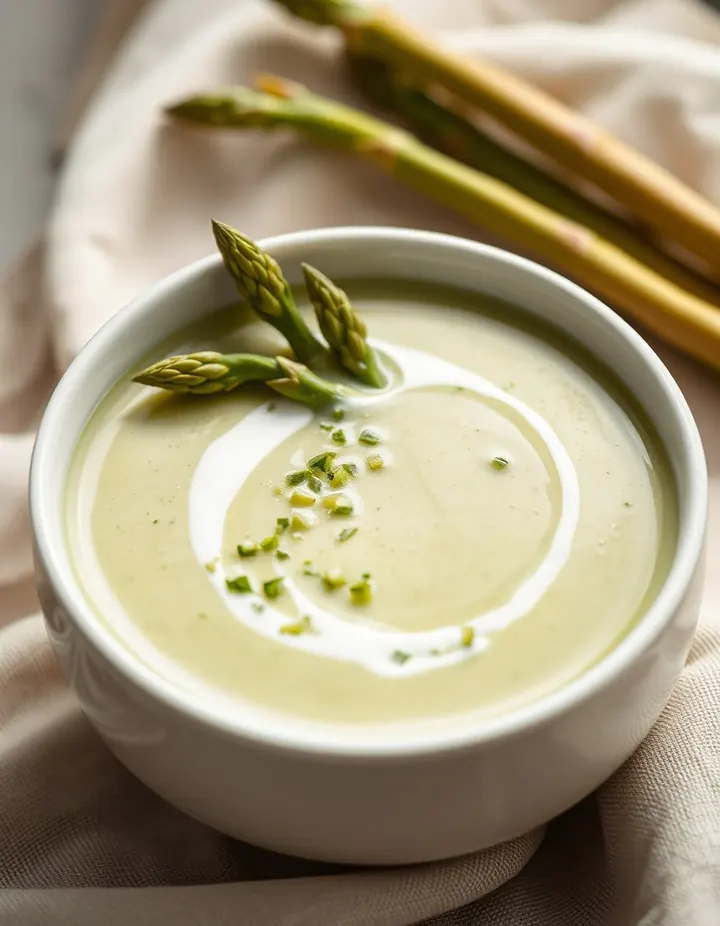 Asparagus Soup179 recipes
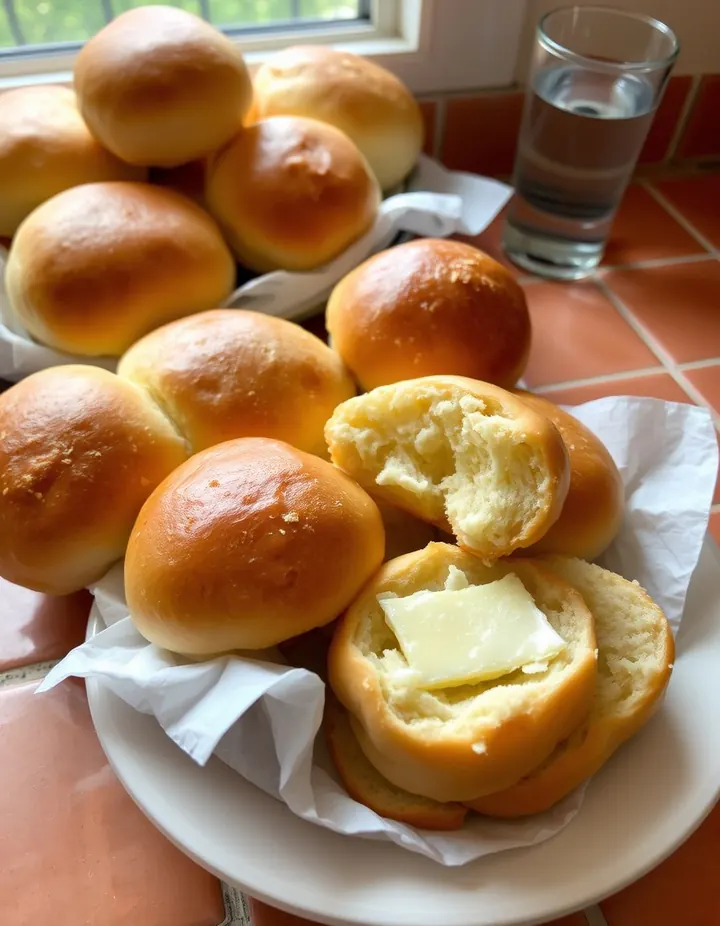 Potato Rolls78 recipes
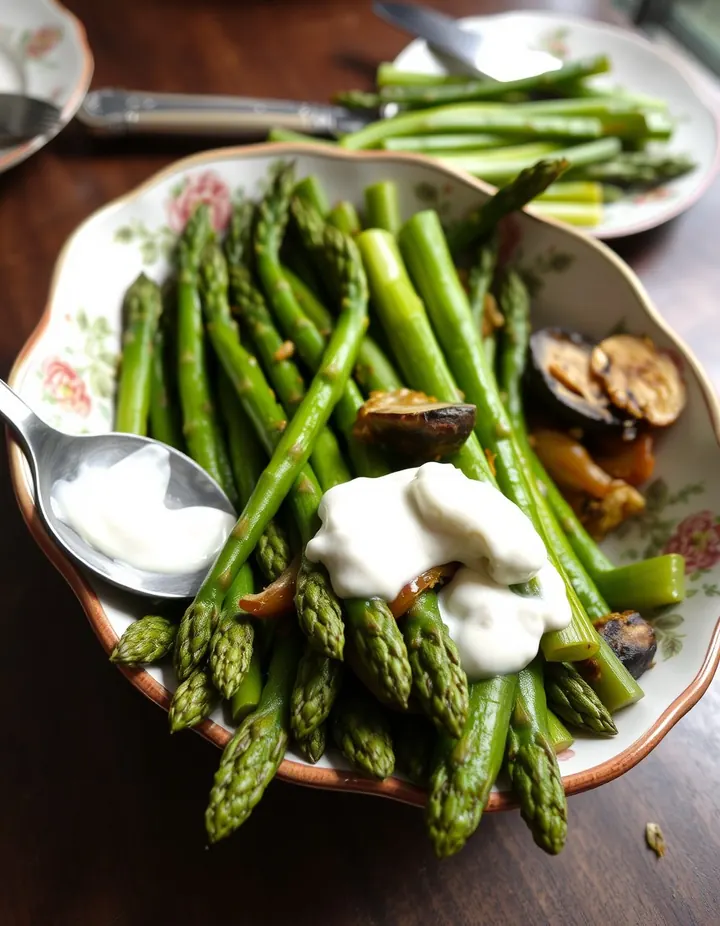 Asparagus Salad77 recipes
The free Flavor Lab newsletter: one surprising pairing a week and the molecular reason it works, in 60 seconds. No spam, unsubscribe anytime.
Prefer an account? Create a free account to save pairings and unlock the full chemistry.