Why it works: Raspberry and peach match in chemistry and in kitchens. They rank in the top 1% of all ingredient pairs, and cooks put them together in 190 recipes. Both carry delta-decalactone, which smells sweet, creamy. The science ↓
Jelly Making and Jellies
Ingredients
Directions
Prepare the fruit
Prepare the fruit by cutting large pieces into smaller ones, using skin and core.
Do not add water for watery fruits like grapes and currants.
Add enough water to cover apples and quinces.
Boil the water until the juice can be easily drained out without stirring.
Drain the juice through a jelly bag made from flannel or double cheesecloth.
Measure the juice.
Make the jelly
Add an equal amount of sugar.
Boil the fruit juice for twenty minutes.
Skim off any foam.
Heat the sugar in a slow oven.
Add the heated sugar to the boiled fruit juice.
Continue boiling for 3 to 10 minutes, or until a small amount stiffens on a cold plate.
Set and store
Strain the jelly into a heated pitcher.
Pour the strained jelly into sterilized glasses.
Place the glasses on a cloth wrung out of hot water in a sunny window for 24 hours.
Cover the jelly with melted paraffin or circular pieces of paper dipped in alcohol.
Transcribed from a scanned cookbook and modernised for today's kitchens. Where the book gave no heat or time, or said "a moderate oven", the temperatures and times here may be modern equivalents rather than the book's own figures.
Explore the science
The flavor team
The pairs that carry this dish. Each one is judged two ways: how much their aromas overlap, and how often cooks already put them together.
-
Raspberry + peachtop 1% of all pairsSmell alikestrongCooked together190 recipes
Shared aroma: delta-decalactone (sweet, creamy).
-
Blackberry + raspberrytop 1% of all pairsSmell alikestrongCooked together278 recipes
Shared aroma: furaneol (caramel, sweet).
-
Blackberry + peachtop 1% of all pairsSmell alikestrongCooked together53 recipes
Shared aroma: 1-octen-3-one (mushroom, metallic).
-
Apple + quincetop 1% of all pairsSmell alikemoderateCooked together506 recipes
Shared aroma: ethyl isobutyrate (fruity, ethereal).
-
Apple + grapetop 1% of all pairsSmell alikestrongCooked together1,659 recipes
Shared aroma: 2-isobutyl-3-methoxypyrazine (green bell pepper, earthy).
Ranks compare each pair with 20,000 random ingredient pairs on CompKitchen. How we score pairs
What each ingredient does
- Fruit
- Provides the natural pectin and acid that allow the juice to gel.
- Sugar
- Adds sweetness and helps the jelly set firm and keep well.
The step that matters
Continue boiling until the jelly stiffens on a cold plate. Boiling drives off water and concentrates pectin, sugar and acid so the mixture sets. Too little boiling leaves a runny jelly, while overboiling can make it dense and sugary.
Swap the currant
How well each one fits the dish's main ingredients (crab, apple, quince, blackberry, raspberry, grape, peach):
- Pearfits better
- Plumfits better
- Apricotfits better
- Currantthe original
Fit is the average pairing score against crab, apple, quince, blackberry, raspberry, grape, peach. Candidates are from the same food group and used in at least 100 recipes.
“What each ingredient does” and “The step that matters” were written by Claude from this recipe’s own method and reviewed in samples by CompKitchen.
More fruit jelly recipes
You might also like
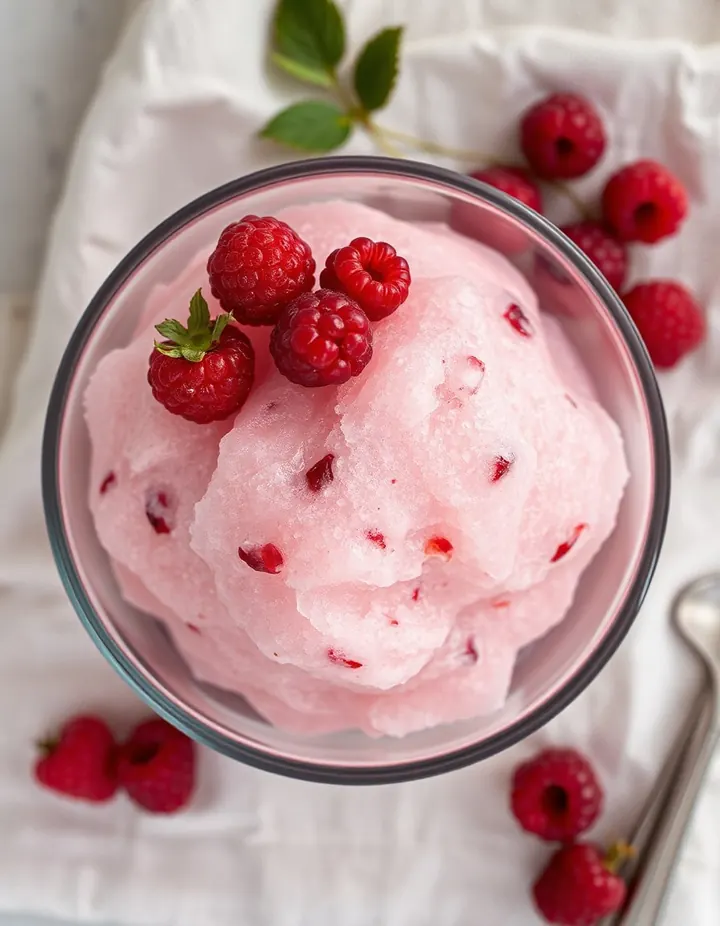 Currant and Raspberry Ice7 recipes
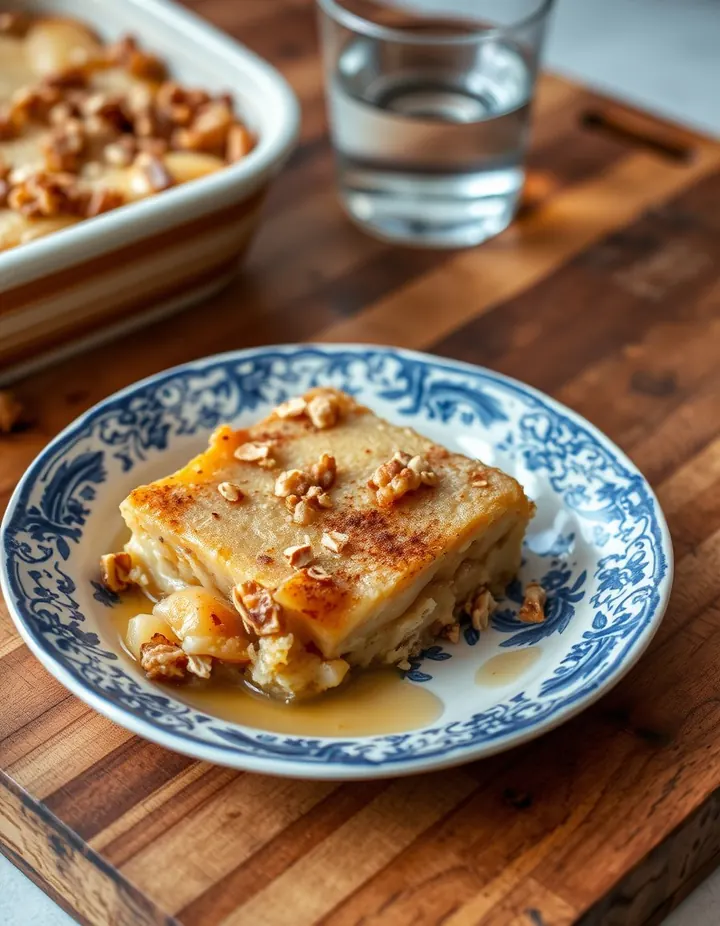 Apple Pudding256 recipes
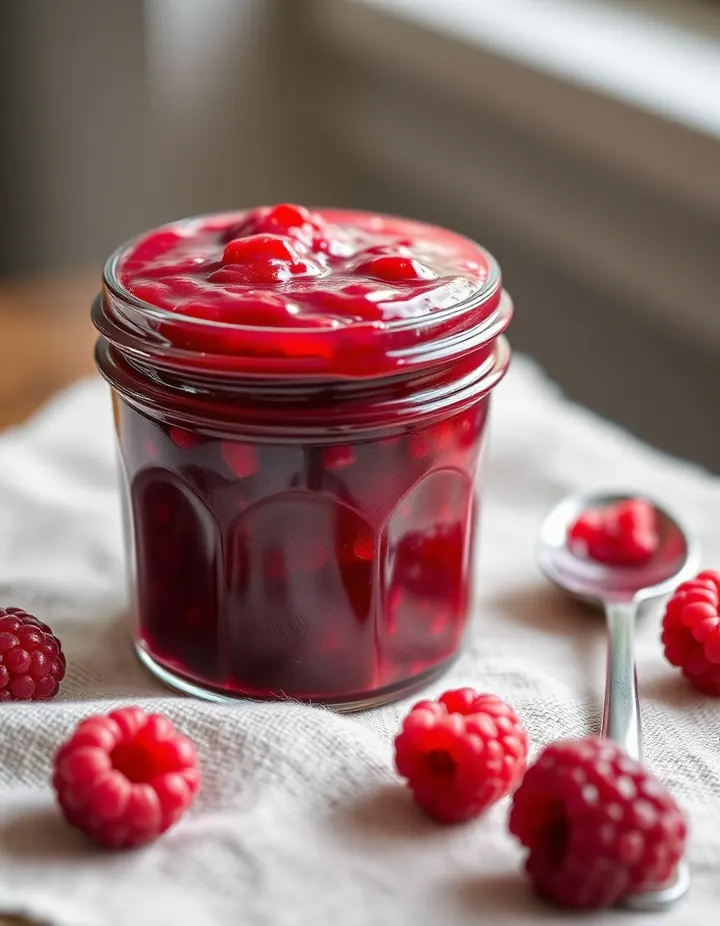 Raspberry Jam150 recipes
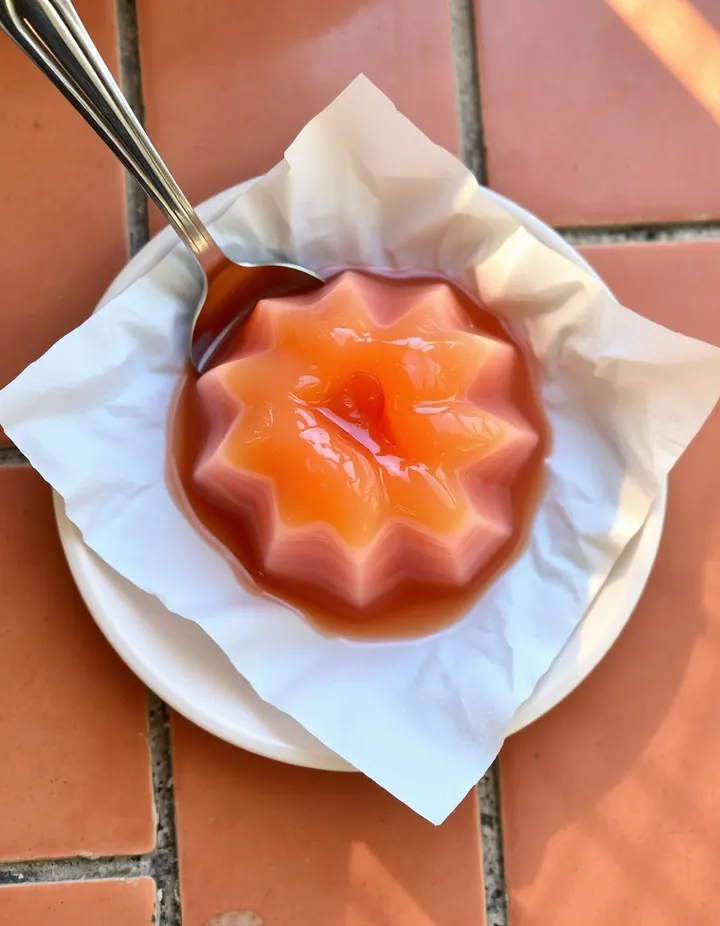 Quince Jelly131 recipes
The free Flavor Lab newsletter: one surprising pairing a week and the molecular reason it works, in 60 seconds. No spam, unsubscribe anytime.
Prefer an account? Create a free account to save pairings and unlock the full chemistry.