Why it works: Egg and cream are a kitchen classic. They rank in the top 24% of all ingredient pairs, and cooks put them together in 42,166 recipes. Both carry acetic acid, which smells sour, vinegar. The science ↓
French Dressing
Ingredients
Directions
In a bowl, combine egg yolk and a small amount of oil.
Stir until thick, adding more oil as needed.
If curdled, add a few drops of vinegar until smooth.
If still not smooth, start fresh with a new bowl, egg yolk, and add curdled dressing as oil.
Alternate adding vinegar and oil until all is used.
Heat the dressing and transfer to a wide-mouthed jar.
Cover tightly and refrigerate; it keeps for three weeks in winter and up to ten days in summer.
Let the dressing sit for several hours before using.
For a thicker dressing, blend in a few teaspoons of cream.
Transcribed from a scanned cookbook and modernised for today's kitchens. Where the book gave no heat or time, or said "a moderate oven", the temperatures and times here may be modern equivalents rather than the book's own figures.
Explore the science
The flavor team
The pairs that carry this dish. Each one is judged two ways: how much their aromas overlap, and how often cooks already put them together.
-
Egg + creamtop 24% of all pairsSmell alikelowCooked together42,166 recipes
Shared aroma: acetic acid (sour, vinegar).
-
Vinegar + creamtop 25% of all pairsSmell alikemoderateCooked together4,064 recipes
Shared aroma: acetic acid (sour, vinegar).
-
Egg + vinegartop 33% of all pairsSmell alikelowCooked together12,922 recipes
Shared aroma: acetic acid (sour, vinegar).
Egg and cream barely smell alike, yet cooks put them together in 42,166 recipes: they work on texture and structure more than aroma.
Ranks compare each pair with 20,000 random ingredient pairs on CompKitchen. How we score pairs
You might also like
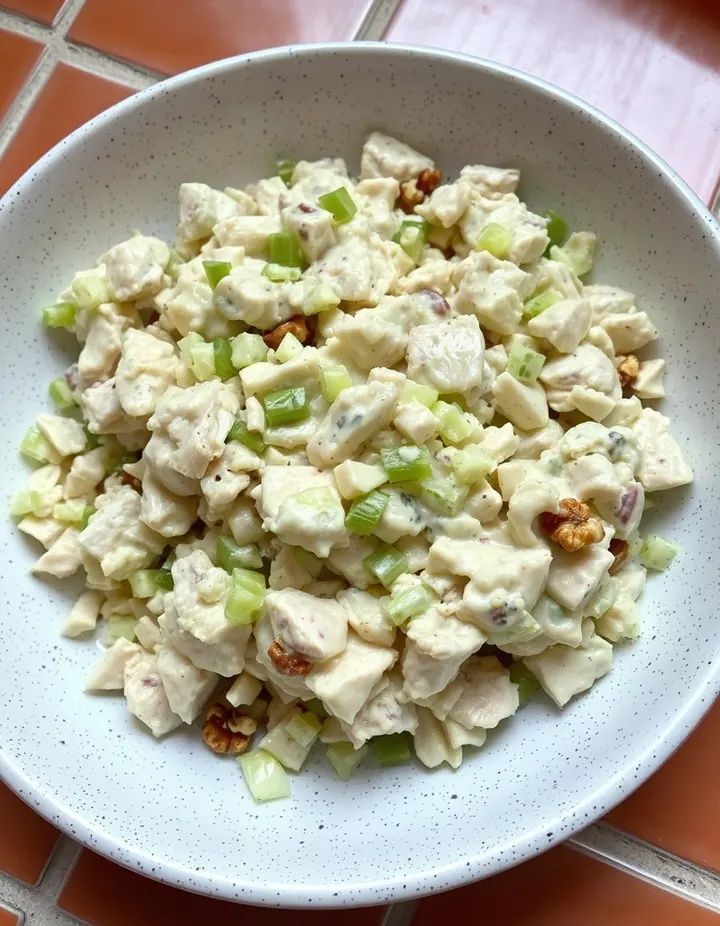 Chicken Salad623 recipes
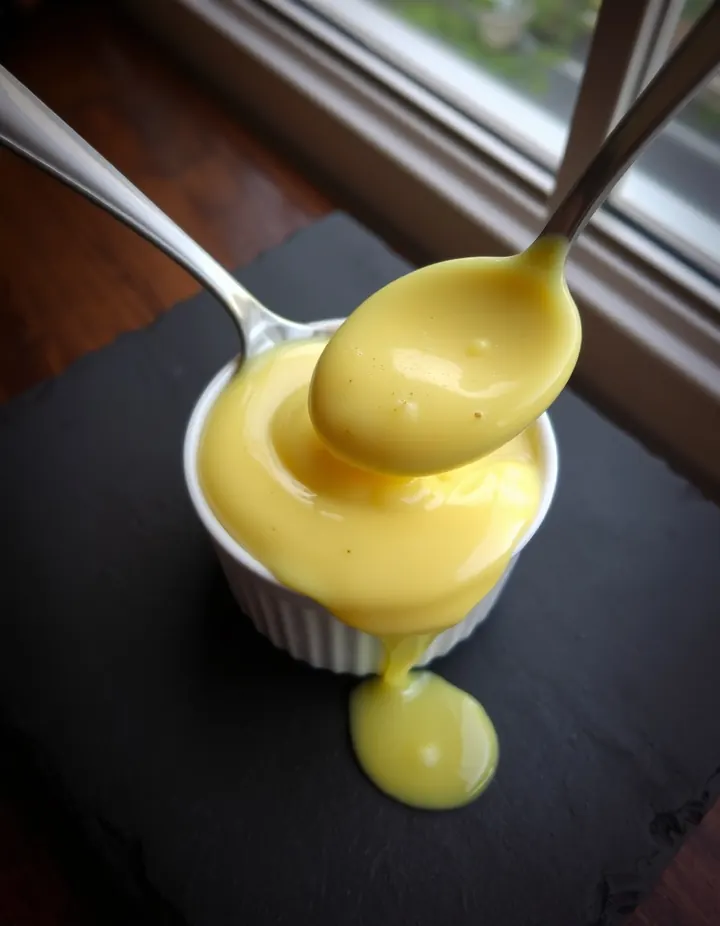 Salad Dressing491 recipes
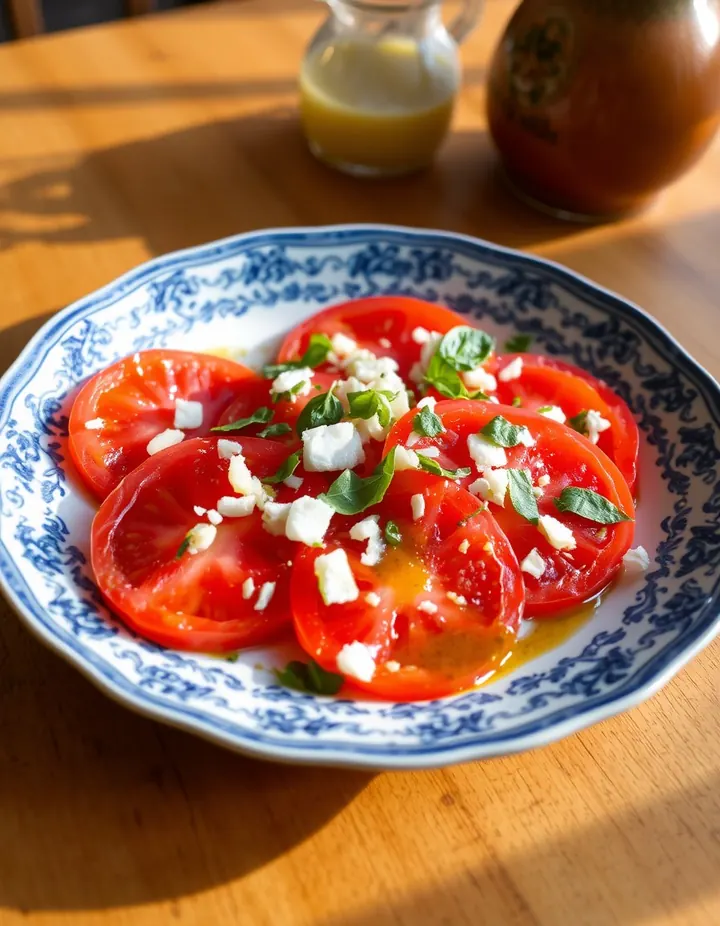 Tomato Salad179 recipes
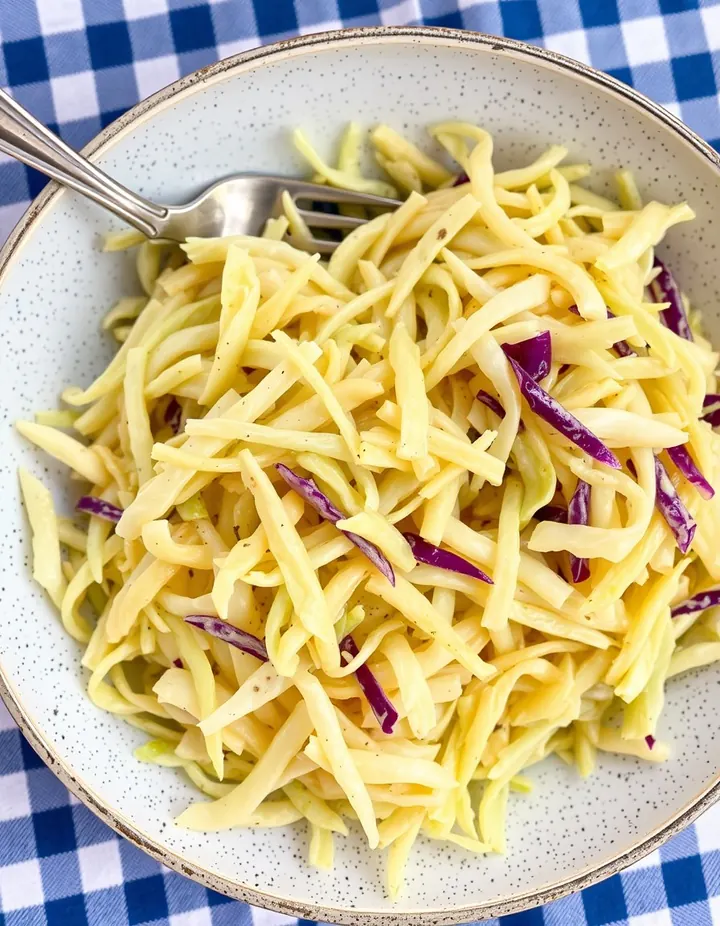 Cold Slaw160 recipes
The free Flavor Lab newsletter: one surprising pairing a week and the molecular reason it works, in 60 seconds. No spam, unsubscribe anytime.
Prefer an account? Create a free account to save pairings and unlock the full chemistry.