Why it works: Carrot and parsley match in chemistry and in kitchens. They rank in the top 1% of all ingredient pairs, and cooks put them together in 8,053 recipes. Both carry 2,4-decadienal, which smells seaweed. The science ↓
Baked Ham
Ingredients
Directions
The book says “a gentle oven”. The 300°F (150°C) in the steps is the modern equivalent, not the book's own figure.
Prepare the ham
Soak the ham in cold water overnight.
Scrape and wash the ham thoroughly.
Simmer
In an iron pot, combine the ham with onion, carrots, celery, turnip, parsley, cloves, peppercorns, mace, garlic, and enough water to cover.
Bring to a gentle boil, skim off any foam, then simmer for 2 hours.
Make the crust and bake
In a bowl, mix dripping into flour and bran, then add enough hot water to form a firm paste.
Roll the paste out to about 1 inch thick, wrap it around the ham, and press it to adhere.
Place the wrapped ham on a tin dish and bake in a gentle oven at 300°F (150°C) for 6½ hours.
If serving cold, let the ham cool in the paste before cracking it open.
Transcribed from a scanned cookbook and modernised for today's kitchens. Where the book gave no heat or time, or said "a moderate oven", the temperatures and times here may be modern equivalents rather than the book's own figures.
Explore the science
The flavor team
The pairs that carry this dish. Each one is judged two ways: how much their aromas overlap, and how often cooks already put them together.
-
Carrot + parsleytop 1% of all pairsSmell alikestrongCooked together8,053 recipes
Shared aroma: 2,4-decadienal (seaweed).
-
Carrot + celerytop 1% of all pairsSmell alikestrongCooked together10,173 recipes
Shared aroma: myristicin (spice, warm).
-
Carrot + turniptop 1% of all pairsSmell alikestrongCooked together8,002 recipes
Shared aroma: coumarin (sweet, hay).
-
Celery + parsleytop 1% of all pairsSmell alikestrongCooked together6,810 recipes
Shared aroma: 4'-methylacetophenone (bitter almond).
-
Celery + turniptop 2% of all pairsSmell alikemoderateCooked together4,418 recipes
Shared aroma: coumarin (sweet, hay).
Ranks compare each pair with 20,000 random ingredient pairs on CompKitchen. How we score pairs
What each ingredient does
- York ham
- Is the main cut that is simmered and then baked inside the paste.
- Flour
- Forms the structure of the firm paste that encloses the ham.
- Bran
- Adds bulk and texture to the paste, helping it hold its shape around the ham.
- Dripping
- Adds fat to the paste, keeping it moist and helping it bind with the flour and bran.
- Moist sugar
- Adds sweetness and helps the surface brown during baking.
The step that matters
Sealing the paste around the ham. The paste must be firm and fully pressed against the ham. If it is loose or has gaps, it can crack or leak during the long bake, leaving the meat dry and uneven in texture.
Swap the mace
How well each one fits the dish's main ingredients (ham, onion, carrot, celery, turnip, parsley, clove):
- Thymefits better
- Marjoramfits better
- Winter savoryfits better
- Macethe original
Fit is the average pairing score against ham, onion, carrot, celery, turnip, parsley, clove. Candidates are from the same food group and used in at least 100 recipes.
“What each ingredient does” and “The step that matters” were written by Claude from this recipe’s own method and reviewed in samples by CompKitchen.
More baked ham recipes
You might also like
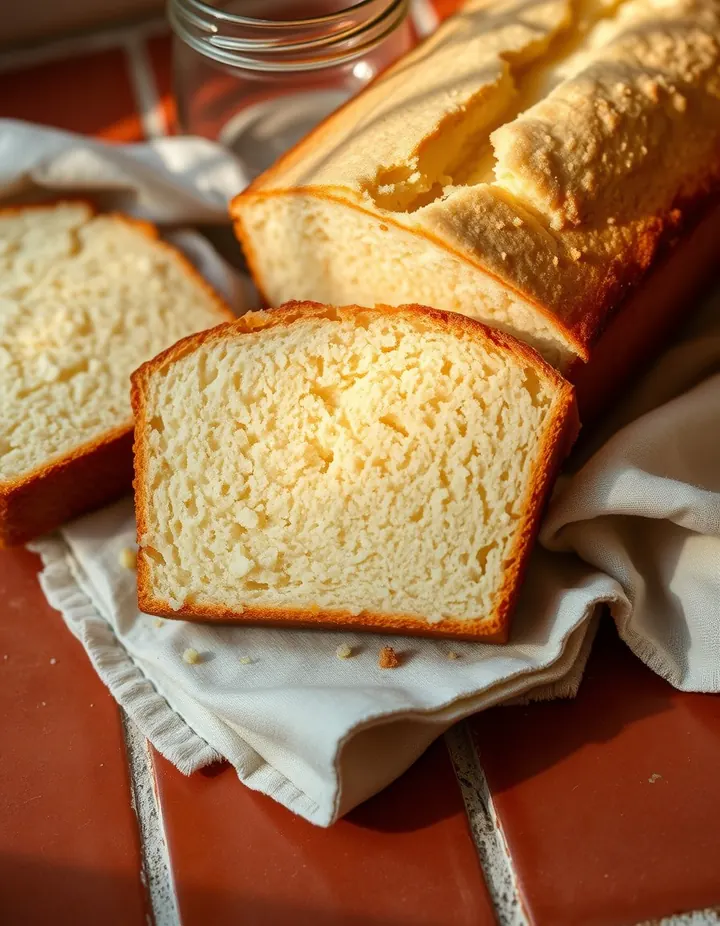 Delicate Cake246 recipes
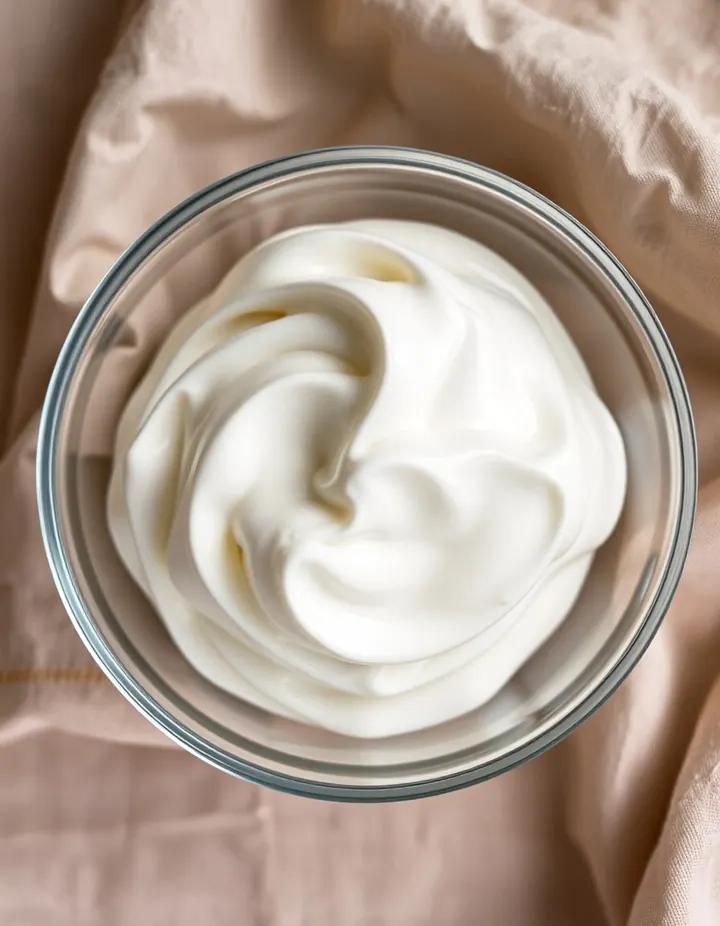 Boiled Frosting69 recipes
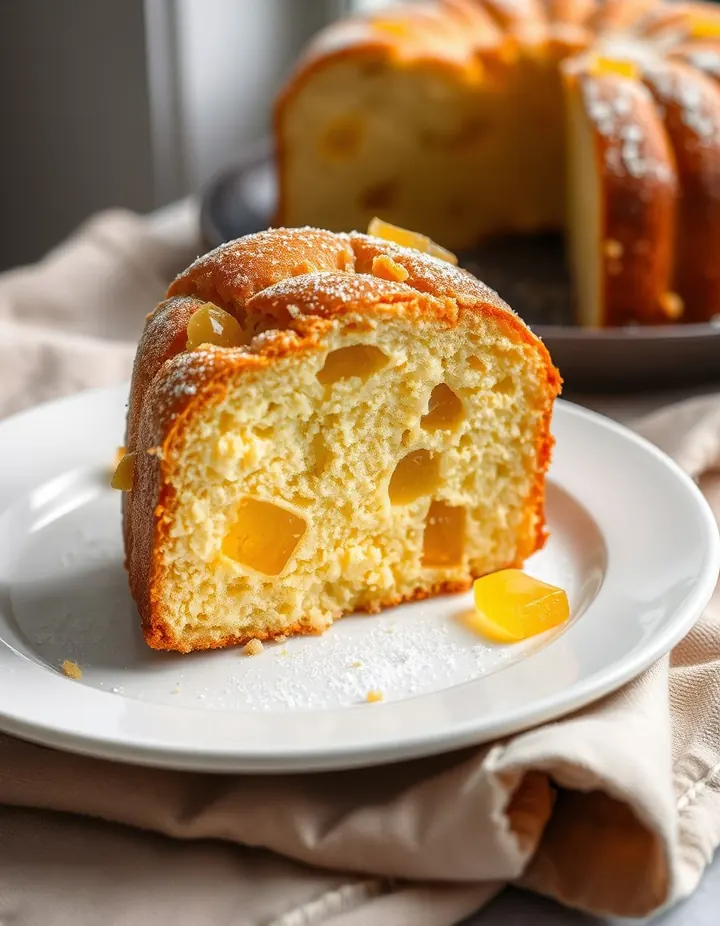 Citron Cake68 recipes
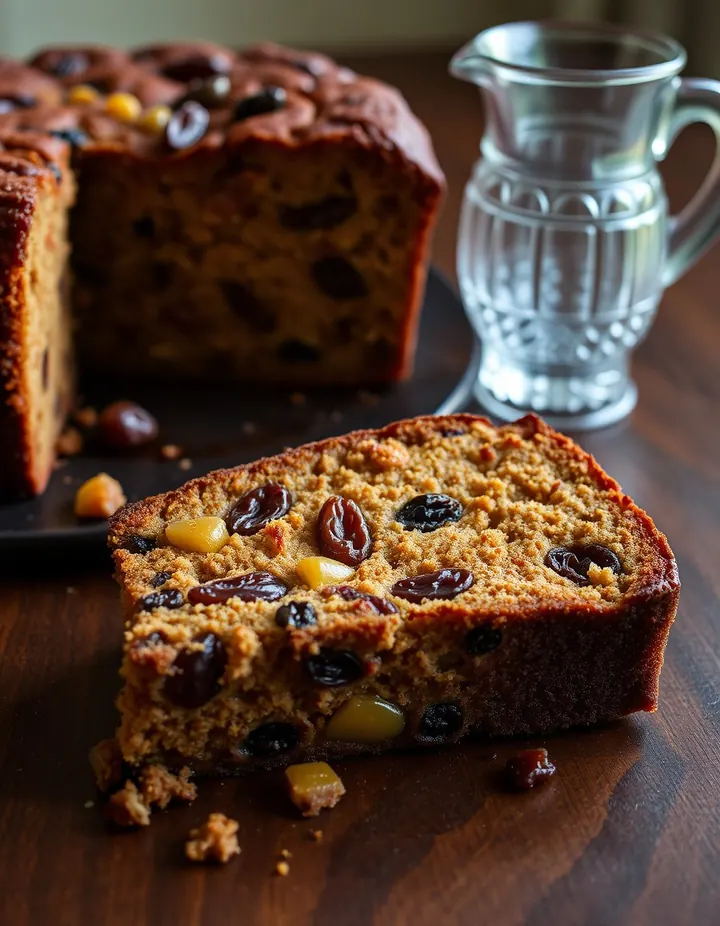 Scotch Cake63 recipes
The free Flavor Lab newsletter: one surprising pairing a week and the molecular reason it works, in 60 seconds. No spam, unsubscribe anytime.
Prefer an account? Create a free account to save pairings and unlock the full chemistry.