Why it works: Beef and onion are a kitchen classic. They rank in the top 7% of all ingredient pairs, and cooks put them together in 17,092 recipes. Both carry 2-isopropyl-3-methoxypyrazine, which smells earthy, pea. The science ↓
Beef Forcemeat Balls
Ingredients
Directions
Prepare the base
Chop or grind the beef finely.
Season with salt, pepper, and nutmeg.
Soak the bread in cold water until soft, then press out excess water to measure ½ pint.
Make the panada
Melt the butter in a saucepan.
Cook the onion for 5 minutes without browning.
Add the soaked bread to the butter and onion.
Stir for 6 minutes.
Let the mixture cool.
Shape and cook
Mix the cooled bread with the beef.
Add the yolk of 2 eggs and the beaten white of 1 egg.
Form the mixture into small balls, wetting your hands with cold water as needed.
Dust the balls with flour.
Drop them into boiling soup or salted water and cook for 8 minutes.
Remove with a skimmer and serve in a tureen with strained soup.
Transcribed from a scanned cookbook and modernised for today's kitchens. Where the book gave no heat or time, or said "a moderate oven", the temperatures and times here may be modern equivalents rather than the book's own figures.
Explore the science
The flavor team
The pairs that carry this dish. Each one is judged two ways: how much their aromas overlap, and how often cooks already put them together.
-
Beef + oniontop 7% of all pairsSmell alikemoderateCooked together17,092 recipes
Shared aroma: 2-isopropyl-3-methoxypyrazine (earthy, pea).
-
Bread + buttertop 7% of all pairsSmell alikemoderateCooked together27,232 recipes
Shared aroma: delta-decalactone (sweet, creamy).
-
Pepper + nutmegtop 7% of all pairsSmell alikestrongCooked together13,015 recipes
Shared aroma: 4'-methylacetophenone (bitter almond).
-
Nutmeg + flourtop 8% of all pairsSmell alikemoderateCooked together18,623 recipes
Shared aroma: isobutyraldehyde (malty, green).
-
Beef + peppertop 10% of all pairsSmell alikemoderateCooked together18,971 recipes
Shared aroma: 2-isopropyl-3-methoxypyrazine (earthy, pea).
Ranks compare each pair with 20,000 random ingredient pairs on CompKitchen. How we score pairs
What each ingredient does
- Lean beef
- Provides the main body and savory flavor of the meatballs.
- Stale bread
- Soaked and cooked into a panada that keeps the meatballs moist and tender.
- Eggs
- Bind the mixture together so the meatballs hold their shape while cooking.
- Butter
- Adds richness and carries the flavor of the onion into the panada.
The step that matters
Cooking the panada without browning. Cooking the bread with butter and onion gently thickens it into a paste that absorbs moisture. Browning would change its flavor and make it less smooth, so the bread should be stirred over gentle heat and fully cooled before mixing with the beef, which keeps the meatballs tender rather than tough or dry.
Swap the onion
How well each one fits the dish's main ingredients (beef, pepper, nutmeg, bread, butter, egg, flour):
- Shallotfits better
- Chivefits better
- Leekfits better
- Onionthe original
Fit is the average pairing score against beef, pepper, nutmeg, bread, butter, egg, flour. Candidates are from the same food group and used in at least 100 recipes.
“What each ingredient does” and “The step that matters” were written by Claude from this recipe’s own method and reviewed in samples by CompKitchen.
More beef meatballs recipes
You might also like
 Brown Bread461 recipes
 Roast Beef211 recipes
 Beef Loaf175 recipes
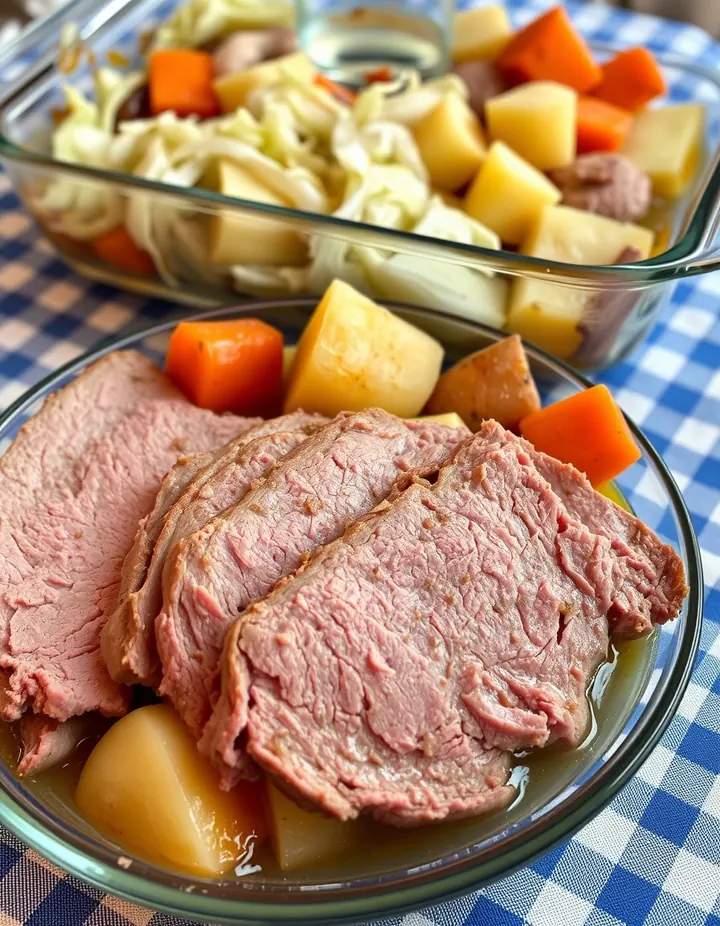 Corned Beef87 recipes
The free Flavor Lab newsletter: one surprising pairing a week and the molecular reason it works, in 60 seconds. No spam, unsubscribe anytime.
Prefer an account? Create a free account to save pairings and unlock the full chemistry.