Why it works: Pepper and carrot match in chemistry and in kitchens. They rank in the top 6% of all ingredient pairs, and cooks put them together in 14,555 recipes. Both carry 2-isopropyl-3-methoxypyrazine, which smells earthy, pea. The science ↓
Pigeon Cutlets with Olives
Ingredients
Directions
Prepare the pigeons
Singe, draw, and wash the pigeons. Dry them, then cut off the necks, wings, and feet. Bone them, leaving the legs on.
Lay the cutlets in a pan with melted butter and cook for 3 minutes on each side. Remove to a plate and let cool.
Trim the cutlets neatly and season with pepper and salt 15 minutes before serving.
Coat the cutlets
Mix the egg yolk with cold melted butter. Dip the cutlets into this mixture and cover with bread crumbs.
Broil the cutlets until light brown on both sides.
Prepare the olives
Remove pits from the olives and soak in cold water for ½ hour. Cook in boiling water for 5 minutes, then drain and cool.
Stuff the cooled olives with chicken or veal forcemeat.
Make the sauce and serve
In a saucepan, melt butter and add onion, carrot, ham, bay leaf, and peppercorns. Cook for 5 minutes.
Add flour, stir, and cook for 3 minutes. Then add white broth and salt, cooking slowly for 10 minutes.
Strain the sauce into a clean saucepan, add the olives, and cook slowly for 8 minutes.
Glaze the pigeon cutlets and serve on a hot dish with olives on each side. Serve the sauce in a sauce bowl.
Transcribed from a scanned cookbook and modernised for today's kitchens. Where the book gave no heat or time, or said "a moderate oven", the temperatures and times here may be modern equivalents rather than the book's own figures.
Explore the science
The flavor team
The pairs that carry this dish. Each one is judged two ways: how much their aromas overlap, and how often cooks already put them together.
-
Pepper + carrottop 6% of all pairsSmell alikestrongCooked together14,555 recipes
Shared aroma: 2-isopropyl-3-methoxypyrazine (earthy, pea).
-
Onion + carrottop 6% of all pairsSmell alikemoderateCooked together21,601 recipes
Shared aroma: 2-isopropyl-3-methoxypyrazine (earthy, pea).
-
Butter + breadtop 7% of all pairsSmell alikemoderateCooked together27,232 recipes
Shared aroma: delta-decalactone (sweet, creamy).
-
Bread + hamtop 7% of all pairsSmell alikemoderateCooked together2,536 recipes
Shared aroma: 2-acetyl-1-pyrroline (popcorn, roasted).
-
Olive + oniontop 8% of all pairsSmell alikemoderateCooked together29,779 recipes
Shared aroma: 2,4-decadienal (seaweed).
Ranks compare each pair with 20,000 random ingredient pairs on CompKitchen. How we score pairs
What each ingredient does
- Pigeons
- Provide the lean meat that is shaped into cutlets and browned.
- Egg yolk
- Binds the bread crumb coating so it adheres to the cutlets.
- Bread crumbs
- Form a crisp, golden coating during broiling.
- Salted olives
- Add salty, tangy flavour and are stuffed and served alongside the cutlets.
- Flour
- Thickens the broth into a smooth sauce when cooked with the butter.
- White broth
- Forms the liquid base of the sauce, adding savoury body.
The step that matters
Adding the broth to the flour. Flour cooked in butter forms a roux; adding liquid gradually while stirring prevents lumps and gives a smooth, evenly thickened sauce.
Swap the carrot
How well each one fits the dish's main ingredients (butter, pepper, egg, bread, olive, onion, ham):
- Capsicumfits better
- Tomatofits better
- Asparagusfits better
- Carrotthe original
Fit is the average pairing score against butter, pepper, egg, bread, olive, onion, ham. Candidates are from the same food group and used in at least 100 recipes.
“What each ingredient does” and “The step that matters” were written by Claude from this recipe’s own method and reviewed in samples by CompKitchen.
You might also like
 Brown Bread461 recipes
 Carrot Soup134 recipes
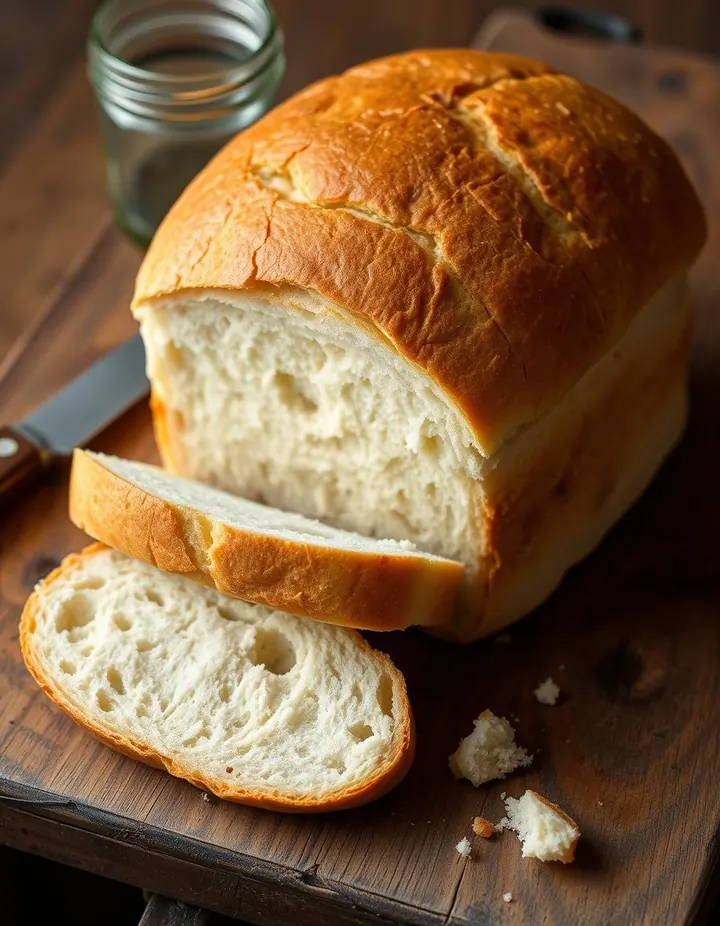 White Bread80 recipes
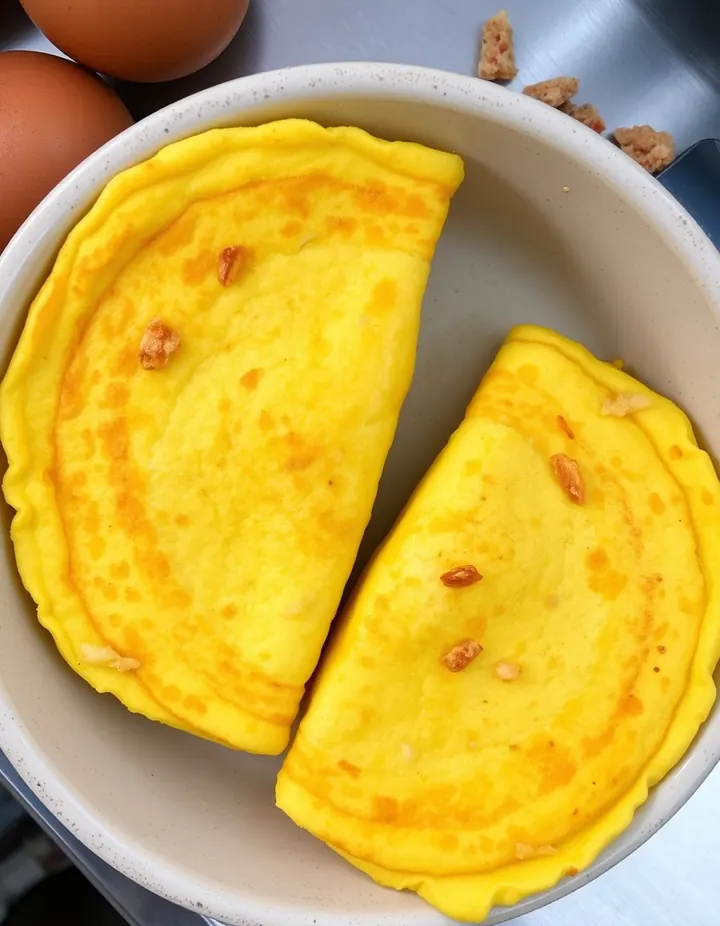 Bread Omelette60 recipes
The free Flavor Lab newsletter: one surprising pairing a week and the molecular reason it works, in 60 seconds. No spam, unsubscribe anytime.
Prefer an account? Create a free account to save pairings and unlock the full chemistry.