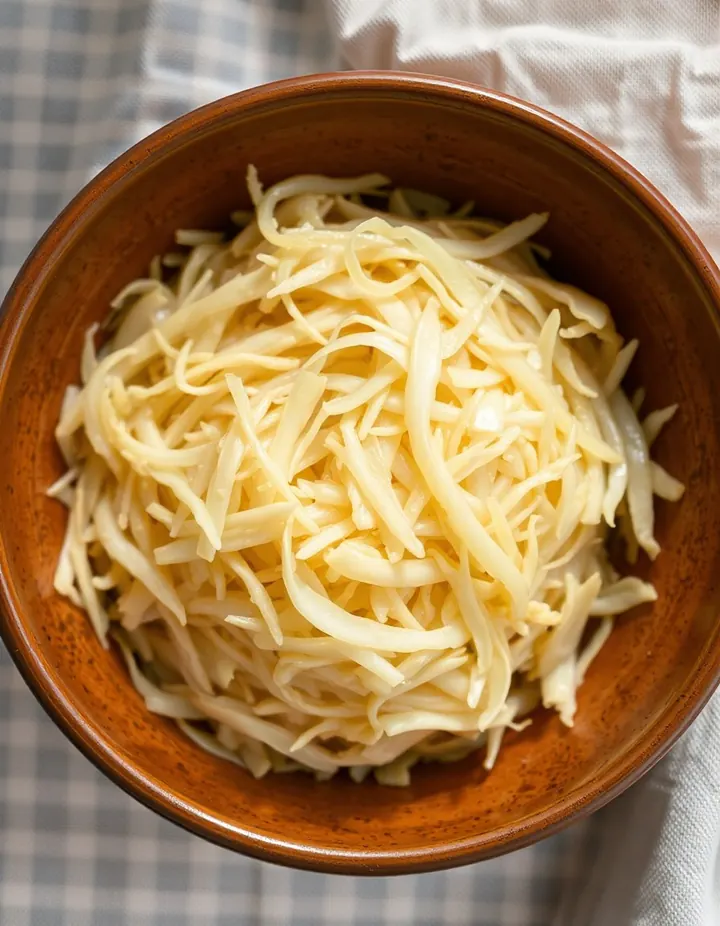
Why it works: Cabbage and caraway work together. They rank in the top 7% of all ingredient pairs, and cooks put them together in 60 recipes. Both carry alpha-pinene, which smells pine, turpentine. The science ↓
Sauerkraut
Ingredients
Directions
Prepare
Slice the cabbage and pack it in a container with alternate layers of salt and optional caraway seeds.
Press down the mixture firmly under a weighted cover.
Ferment
After a few days, pour off the liquid that rises to the top and add more salt and water.
In about six days, remove any scum that forms on the surface.
Let the container stand in a cool cellar for about two weeks until ready to use.
Transcribed from a scanned cookbook and modernised for today's kitchens. Where the book gave no heat or time, or said "a moderate oven", the temperatures and times here may be modern equivalents rather than the book's own figures.
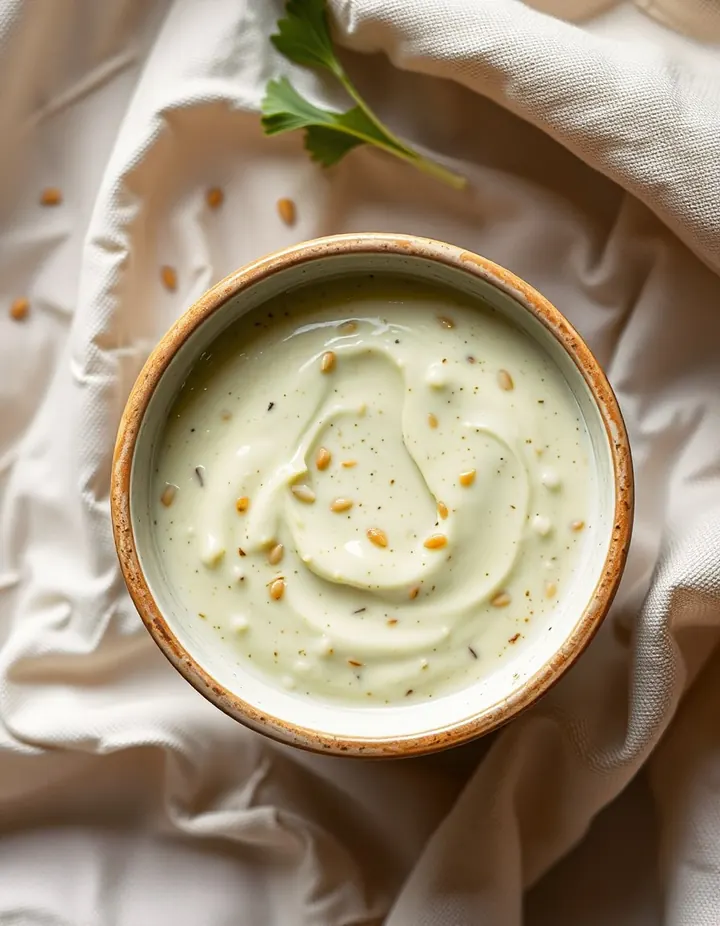
Photo for illustrative purposes only · Contact us to use it
Explore the science
The flavor team
The pairs that carry this dish. Each one is judged two ways: how much their aromas overlap, and how often cooks already put them together.
-
Cabbage + carawaytop 7% of all pairsSmell alikemoderateCooked together60 recipes
Shared aroma: alpha-pinene (pine, turpentine).
Ranks compare each pair with 20,000 random ingredient pairs on CompKitchen. How we score pairs
What each ingredient does
- Cabbage
- Provides the base vegetable that ferments into sauerkraut, releasing liquid under salt pressure.
- Coarse sea salt
- Draws moisture out of the cabbage and inhibits spoilage microbes, letting fermentation proceed safely.
The step that matters
Pressing the cabbage under a weighted cover. Firm pressing packs the shredded cabbage so it releases its juices and becomes submerged in brine. Exposed cabbage can grow spoilage yeasts and mold, so keeping it under the liquid matters.
“What each ingredient does” and “The step that matters” were written by Claude from this recipe’s own method and reviewed in samples by CompKitchen.
More sauerkraut recipes
You might also like
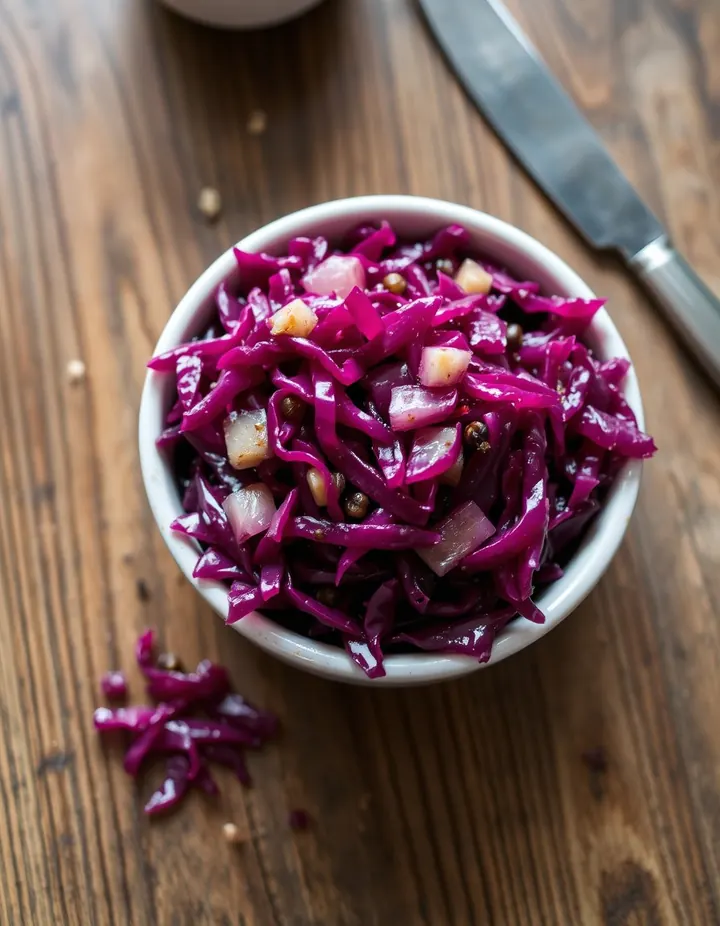 Red Cabbage65 recipes
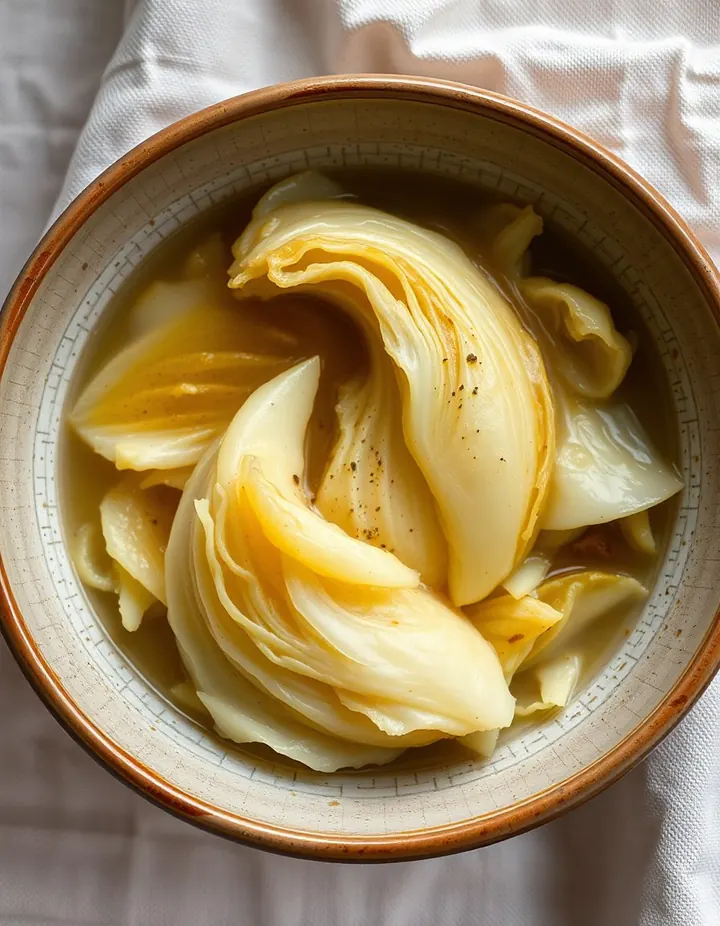 Stewed Cabbage58 recipes
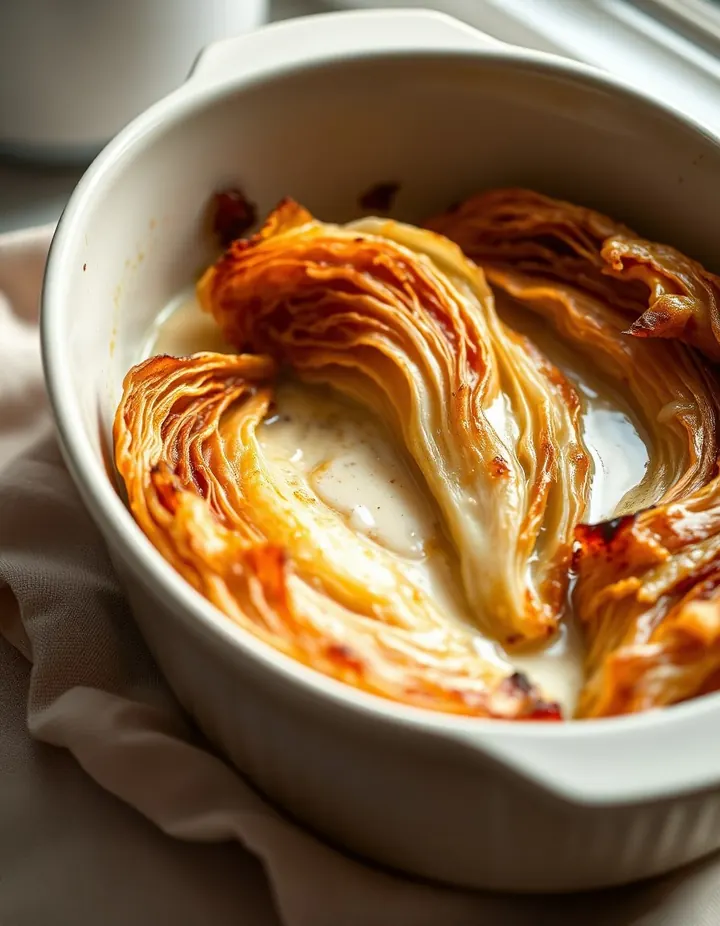 Baked Cabbage51 recipes
 Cabbage Dressing19 recipes
The free Flavor Lab newsletter: one surprising pairing a week and the molecular reason it works, in 60 seconds. No spam, unsubscribe anytime.
Prefer an account? Create a free account to save pairings and unlock the full chemistry.