Why it works: Raisin and currant are a kitchen classic. They rank in the top 10% of all ingredient pairs, and cooks put them together in 6,180 recipes. Both carry gamma-nonanolactone, which smells coconut, creamy. The science ↓
Bread and Butter Plum Pudding
Ingredients
Directions
Prepare
Cut the bread into slices ½ inch thick and butter them generously.
Butter a deep baking dish.
Assemble
Layer the buttered bread slices in the dish, fitting them neatly.
Sprinkle some raisins, currants, citron, and lemon rind over the bread layer.
Continue layering until the dish is nearly full, leaving space for the custard.
Alternatively, pour custard over each layer as you assemble the pudding.
Make the custard
Boil the milk.
Beat the eggs and add the spices.
Mix the sugar, salt, and molasses into the hot milk.
Gradually combine the hot milk mixture with the beaten eggs.
Soak and bake
Pour the custard over the pudding until the dish is full, letting it soak in.
Add any remaining custard as needed to ensure it soaks in.
Cover with a smaller plate and press down, letting it sit for several hours.
Cover with a dish or pan to prevent burning and bake.
Transcribed from a scanned cookbook and modernised for today's kitchens. Where the book gave no heat or time, or said "a moderate oven", the temperatures and times here may be modern equivalents rather than the book's own figures.
Explore the science
The flavor team
The pairs that carry this dish. Each one is judged two ways: how much their aromas overlap, and how often cooks already put them together.
-
Raisin + curranttop 10% of all pairsSmell alikelowCooked together6,180 recipes
Shared aroma: gamma-nonanolactone (coconut, creamy).
-
Sugar + molassestop 11% of all pairsSmell alikemoderateCooked together9,225 recipes
Shared aroma: ethanol (alcoholic, ethereal).
-
Molasses + raisintop 12% of all pairsSmell alikelowCooked together3,577 recipes
Shared aroma: ethanol (alcoholic, ethereal).
-
Sugar + raisintop 13% of all pairsSmell alikemoderateCooked together12,481 recipes
Shared aroma: beta-damascenone (apple, rose).
-
Lemon + raisintop 14% of all pairsSmell alikemoderateCooked together3,742 recipes
Shared aroma: decanal (soap, orange peel).
Ranks compare each pair with 20,000 random ingredient pairs on CompKitchen. How we score pairs
What each ingredient does
- Bread (in the method)
- Forms the layered structure that soaks up the custard and holds its shape.
- Eggs
- Set the custard as it heats, giving the pudding its body and firmness.
- Milk
- Forms the liquid base of the custard, providing moisture and softness.
- Sugar
- Adds sweetness and helps the custard brown during baking.
- Molasses
- Adds dark color, moisture, and a deep, sweet flavor to the custard.
- Raisins
- Add chewy sweetness and moisture scattered between the bread layers.
The step that matters
Soaking the pudding before baking. Letting the custard soak through the bread for several hours lets the bread absorb liquid evenly. Skipping or rushing this leaves dry pockets and uneven setting in the baked pudding.
Swap the lemon
How well each one fits the dish's main ingredients (milk, egg, sugar, molasses, raisin, currant):
- Vanillafits better
- Figfits better
- Applefits better
- Lemonthe original
Fit is the average pairing score against milk, egg, sugar, molasses, raisin, currant. Candidates are from the same food group and used in at least 100 recipes.
“What each ingredient does” and “The step that matters” were written by Claude from this recipe’s own method and reviewed in samples by CompKitchen.
You might also like
 Lemon Cake228 recipes
 Lemon Ice147 recipes
 Lemon Sherbet103 recipes
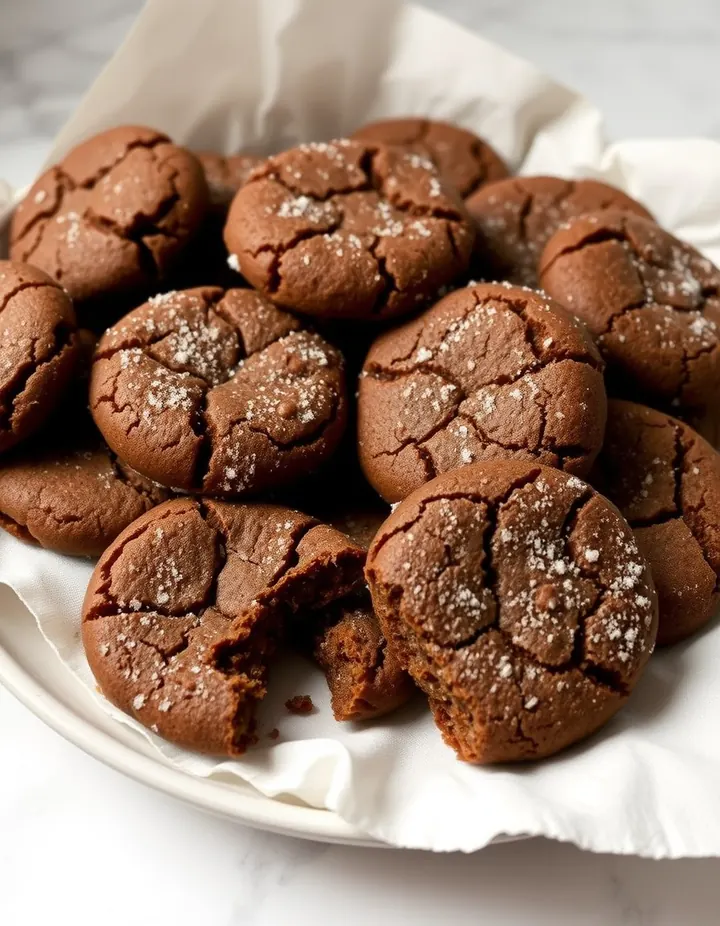 Molasses Cookies96 recipes
The free Flavor Lab newsletter: one surprising pairing a week and the molecular reason it works, in 60 seconds. No spam, unsubscribe anytime.
Prefer an account? Create a free account to save pairings and unlock the full chemistry.