Why it works: Carrot and turnip are a kitchen classic. They rank in the top 2% of all ingredient pairs, and 8,001 recipes mention both. Both carry coumarin, which smells sweet, hay. The science ↓
The recipe
Ingredients
Contains: milk (auto-detected from the ingredients and method; we can miss things, so check labels)
Directions
Prepare the vegetables
Cut larger vegetables into desired shapes using a spoon or column cutter.
Parboil carrots, turnips, and artichokes, then cook in broth seasoned with coarse sea salt and a pinch of sugar.
Boil the other vegetables in lightly salted water, then immerse in cold water to retain color.
Drain and dry the vegetables on a napkin.
Line the mold
Butter a mold lightly with clarified butter and set it in a pan with broken ice.
Dip the vegetables in clarified butter and arrange them in the mold, alternating colors.
Once the butter is cold, the vegetables will adhere to the mold.
Fill and poach
Cover the border with a layer of chicken forcemeat, ensuring even thickness.
Fill the mold with vegetable garniture and add reduced Allemande or cream sauce.
Cover with another layer of chicken forcemeat and smooth it out.
Place a buttered paper cover on top and poach for 20 minutes.
Serve
To serve, place a napkin on a saucepan cover and turn the mold onto the napkin to drain moisture.
Carefully turn the mold onto the serving dish and remove the mold.
Cook to a safe temperature. This method doesn't say how hot the inside should get. Check with a food thermometer in the thickest part:
- Chicken, turkey and other poultry: 165°F (74°C), and any stuffing inside it too.
Figures from the USDA's safe minimum internal temperatures.
Transcribed from a scanned cookbook and modernised for today's kitchens. Where the book gave no heat or time, or said "a moderate oven", the temperatures and times here may be modern equivalents rather than the book's own figures.
Found this recipe through an AI assistant? CompKitchen also shows which ingredients go well together and why, from the aroma molecules they share and how often recipes combine them. Try the pairing tools.
Explore the science
The flavor team
The pairs that carry this dish. Each one is judged two ways: how much aroma chemistry they share, and how many recipes mention both.
-
Carrot + turniptop 2% of all pairsAroma overlapmoderateMentioned together8,001 recipes
Shared aroma: coumarin (sweet, hay).
-
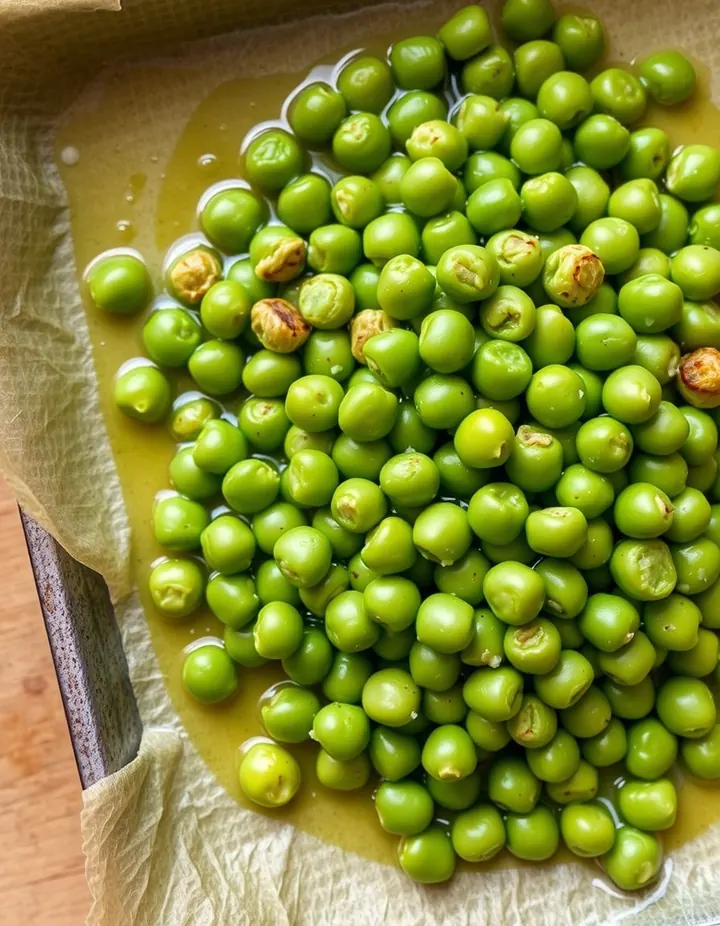
Peas + beanstop 3% of all pairsAroma overlapstrongMentioned together949 recipes
Shared aroma: 2-isopropyl-3-methoxypyrazine (earthy, pea).
-
Turnip + artichoketop 3% of all pairsAroma overlapstrongMentioned together140 recipes
Shared aroma: coumarin (sweet, hay).
-
Carrot + beanstop 3% of all pairsAroma overlapstrongMentioned together1,441 recipes
Shared aroma: 2-isopropyl-3-methoxypyrazine (earthy, pea).
-
Carrot + peastop 4% of all pairsAroma overlapstrongMentioned together2,994 recipes
Shared aroma: 2-isopropyl-3-methoxypyrazine (earthy, pea).
Ranks compare each pair with 20,000 random ingredient pairs on CompKitchen. How we score pairs
What each ingredient does
- Chicken forcemeat
- Forms a firm, delicate layer that holds the border and garniture together when set.
- Clarified butter
- Adds richness and helps the vegetables adhere to the cold-set mold and release cleanly.
- Carrots
- Provide color, sweetness and a firm texture for the decorative border.
- Reduced allemande or cream sauce
- Adds moisture and richness to the filling, keeping it tender as it poaches.
- Artichoke bottoms
- Offer a tender, mild texture and body to the border.
The step that matters
Setting the border in the cold mold. The vegetables must adhere to the chilled, butter-lined mold before the forcemeat is added; if the butter is not fully cold, the border can slide or tear when unmolded.
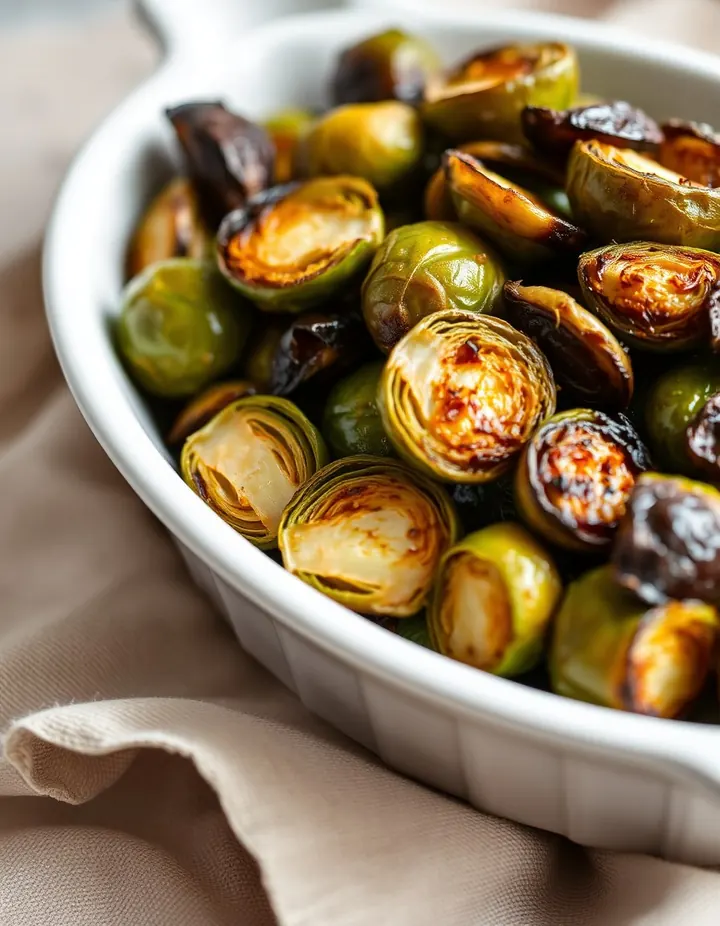
Flavor stand-ins for the brussels sprouts
How well each one fits the dish's main ingredients (carrot, turnip, artichoke, peas, beans, sugar, butter):
- Asparagusbetter flavor fit
- Leekbetter flavor fit
- Cauliflowerbetter flavor fit
- Brussels sproutsthe original
Fit is the average pairing score against carrot, turnip, artichoke, peas, beans, sugar, butter. Candidates are from the same food group and used in at least 100 recipes. This compares flavor only: it does not check the job the ingredient does in the dish (bulk, moisture, acidity, structure).
“What each ingredient does” and “The step that matters” were written by Claude, an AI, from this recipe’s own method. They are not checked recipe by recipe, so they can be wrong.
Make it your own
Stand-ins, a drink, and quick taste fixes for this dish, ranked by how well each fits its other ingredients: shared aroma molecules and how often recipes combine them.
You might also like
 Illustration
 Illustration
 Illustration
 Illustration
The Sunday pairing: one pairing, the chemistry behind it, and how to cook it. No spam, unsubscribe anytime.
Prefer an account? Create a free account for sign-in; Pro adds the full results and chemistry.