Why it works: Peach and cream work together. They rank in the top 25% of all ingredient pairs, and cooks put them together in 721 recipes. Both carry delta-dodecalactone, which smells sweet, creamy. The science ↓
Peaches, Apricots and Grated Pineapple Frozen in the Can
Ingredients
Directions
Freeze the fruit
Place the tin can of fruit in a deep pail or tub.
Pack the can with ice and salt, using two measures of ice to one measure of salt, for three hours.
Serve
Open the can with a can opener and carefully remove the fruit onto a serving dish.
Surround the fruit with whipped cream and serve.
Transcribed from a scanned cookbook and modernised for today's kitchens. Where the book gave no heat or time, or said "a moderate oven", the temperatures and times here may be modern equivalents rather than the book's own figures.
Explore the science
The flavor team
The pairs that carry this dish. Each one is judged two ways: how much their aromas overlap, and how often cooks already put them together.
-
Peach + creamtop 25% of all pairsSmell alikelowCooked together721 recipes
Shared aroma: delta-dodecalactone (sweet, creamy).
Ranks compare each pair with 20,000 random ingredient pairs on CompKitchen. How we score pairs
What each ingredient does
- Fruit (in the method)
- Provides the sweet, flavourful base that freezes into the dessert.
- Ice
- Chills the can so the fruit freezes, as salt lowers the melting point of the ice.
- Salt
- Mixed with ice to lower its temperature, letting the brine freeze the fruit.
- Whipped cream
- Adds richness and a light, creamy contrast to the cold, frozen fruit.
The step that matters
Packing the can with ice and salt. Salt dissolves in the melting ice and lowers its temperature below the freezing point of plain water, so the can gets cold enough to freeze the fruit. The ratio of two parts ice to one part salt is what drives that chilling, so too little salt leaves the fruit only partly frozen.
“What each ingredient does” and “The step that matters” were written by Claude from this recipe’s own method and reviewed in samples by CompKitchen.
You might also like
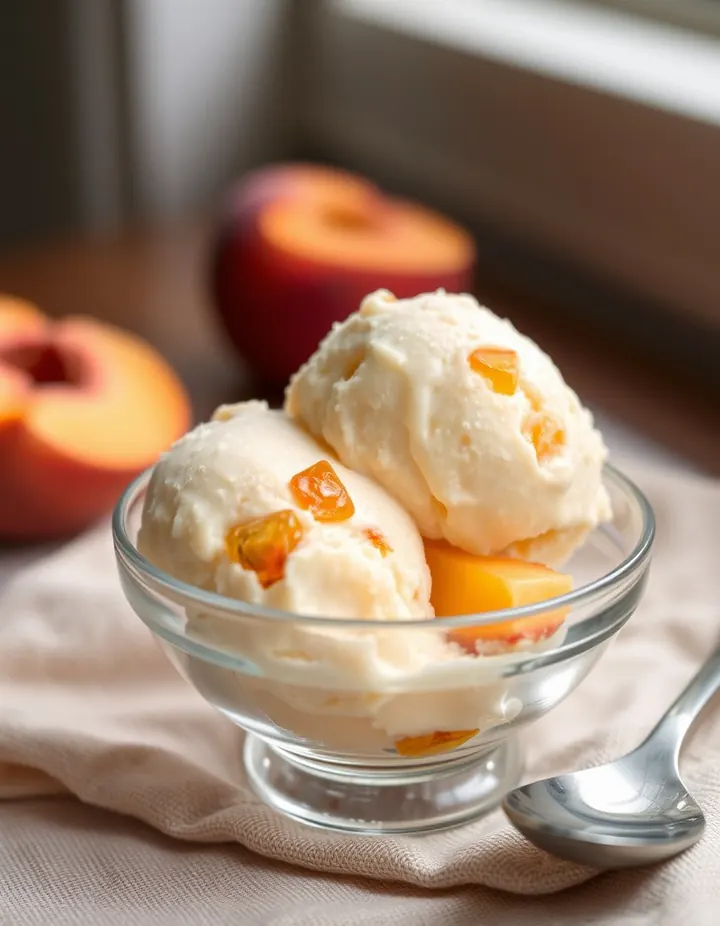 Peach Ice Cream64 recipes
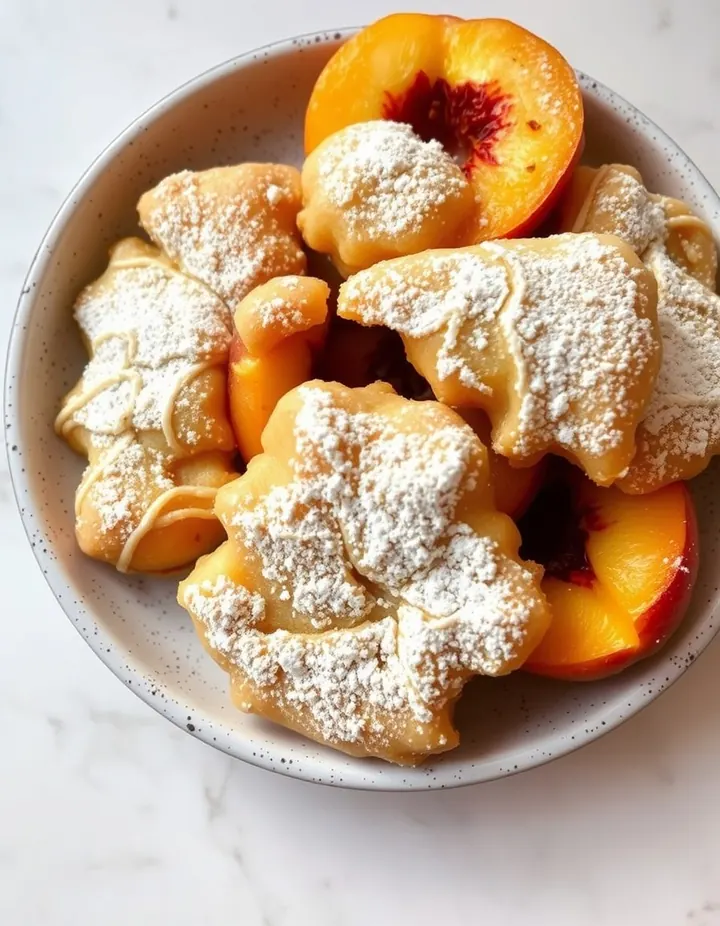 Peach Fritters55 recipes
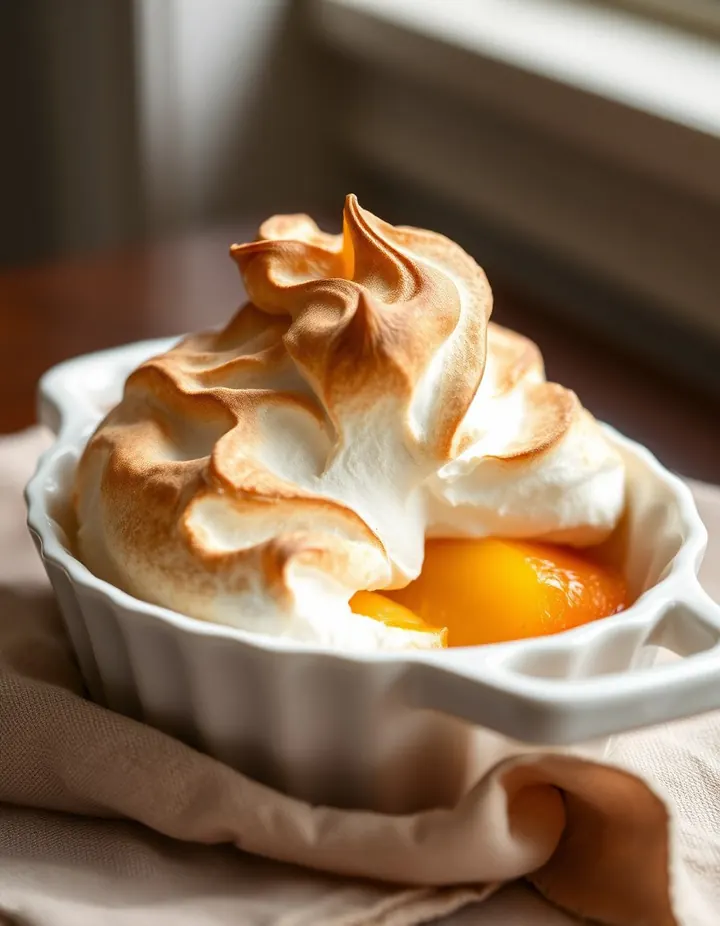 Peach Meringue40 recipes
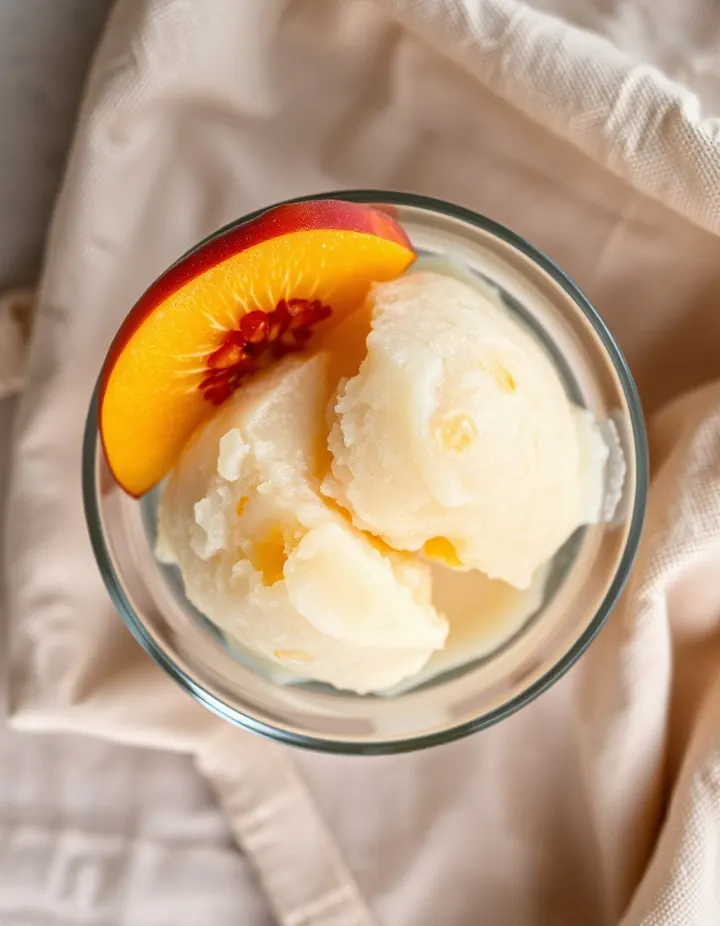 Peach Ice16 recipes
The free Flavor Lab newsletter: one surprising pairing a week and the molecular reason it works, in 60 seconds. No spam, unsubscribe anytime.
Prefer an account? Create a free account to save pairings and unlock the full chemistry.