Why it works: Clove and angelica share more aroma than cooks usually use. They rank in the top 6% of all ingredient pairs, and cooks put them together in 84 recipes. Both carry alpha-pinene, which smells pine, turpentine. The science ↓
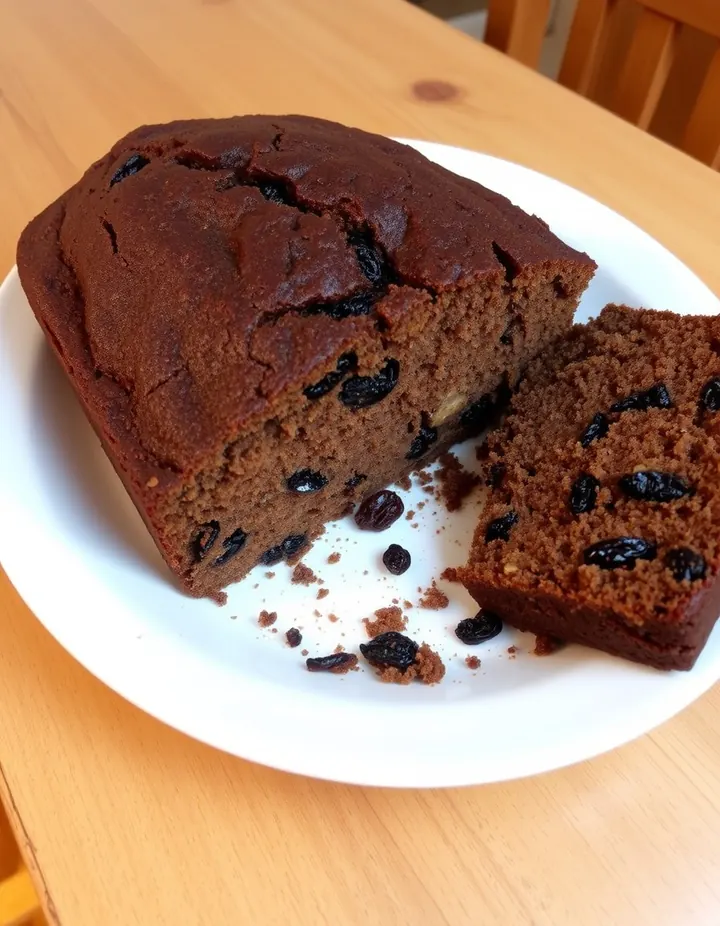
Twelfth-night Cake
Ingredients
Directions
The book gives no oven temperature. The 400°F (200°C) in the steps was added when the recipe was transcribed, as a starting point.
Make the batter
Preheat the oven to 400°F (200°C).
Cream together the sugar and butter until smooth.
Gradually add the flour mixed with baking powder, beating quickly.
Add the well-beaten yolks of the eggs, then fold in the stiffly beaten egg whites.
Scrape down the sides of the bowl to remove lumps.
Pour the batter into a greased pan and bake until risen and golden.
Decorate and serve
Before frosting, insert the pea on one side, the bean on the other, and the clove.
Mark the positions with a broom-straw.
Ice and decorate the cake with angelica leaves and red cherries.
Serve according to the ancient custom: gentlemen from the side with the clove and bean, ladies from the side with the pea.
Transcribed from a scanned cookbook and modernised for today's kitchens. Where the book gave no heat or time, or said "a moderate oven", the temperatures and times here may be modern equivalents rather than the book's own figures.
Explore the science
The flavor team
The pairs that carry this dish. Each one is judged two ways: how much their aromas overlap, and how often cooks already put them together.
-
Clove + angelicatop 6% of all pairsSmell alikestrongCooked together84 recipes
Shared aroma: alpha-pinene (pine, turpentine).
-
Butter + flourtop 12% of all pairsSmell alikelowCooked together124,287 recipes
Shared aroma: isobutyraldehyde (malty, green).
-
Flour + angelicatop 13% of all pairsSmell alikemoderateCooked together104 recipes
Shared aroma: isobutyraldehyde (malty, green).
-
Sugar + flourtop 15% of all pairsSmell alikemoderateCooked together92,116 recipes
Shared aroma: phenylacetaldehyde (hawthorne, honey).
-
Flour + clovetop 15% of all pairsSmell alikemoderateCooked together12,671 recipes
Shared aroma: isobutyraldehyde (malty, green).
Butter and flour barely smell alike, yet cooks put them together in 124,287 recipes: they work on texture and structure more than aroma.
Ranks compare each pair with 20,000 random ingredient pairs on CompKitchen. How we score pairs
What each ingredient does
- Eggs
- Yolks enrich the batter while whipped whites lighten it and help it rise.
- Butter
- Creaming with sugar traps air and adds richness and a tender crumb.
- Flour
- Provides the structure that holds the cake's crumb together as it bakes.
- Baking powder
- Releases gas during baking, helping the cake rise and become light.
- Sugar
- Sweetens the cake and, creamed with butter, helps give a fine texture.
The step that matters
Scrape down the sides of the bowl to remove lumps. Unmixed pockets of flour, baking powder or butter can leave streaks and dense spots, so the batter must be evenly combined before baking.
Swap the clove
How well each one fits the dish's main ingredients (sugar, butter, flour, egg, angelica):
- Cinnamonfits better
- Nutmegfits better
- Marjoramfits about as well
- Clovethe original
Fit is the average pairing score against sugar, butter, flour, egg, angelica. Candidates are from the same food group and used in at least 100 recipes.
“What each ingredient does” and “The step that matters” were written by Claude from this recipe’s own method and reviewed in samples by CompKitchen.
You might also like
 Clove Cake53 recipes
 White Cake431 recipes
 Pound Cake373 recipes
 Orange Bundt Cake349 recipes
The free Flavor Lab newsletter: one surprising pairing a week and the molecular reason it works, in 60 seconds. No spam, unsubscribe anytime.
Prefer an account? Create a free account to save pairings and unlock the full chemistry.