Why it works: Oats and milk are a kitchen classic. They rank in the top 14% of all ingredient pairs, and cooks put them together in 2,119 recipes. Both carry 2,3,5-trimethylpyrazine, which smells cocoa, roasted. The science ↓
Scotch Oat Wafers
Ingredients
Directions
The book says “a moderate oven”. The 350°F (175°C) in the steps is the modern equivalent, not the book's own figure.
Make and shape the dough
Mix all ingredients together until well combined.
Roll out the mixture into a thin sheet.
Cut the rolled dough into squares.
Bake
Bake for 20 minutes in a moderate oven at 350°F (175°C).
Transcribed from a scanned cookbook and modernised for today's kitchens. Where the book gave no heat or time, or said "a moderate oven", the temperatures and times here may be modern equivalents rather than the book's own figures.
Explore the science
The flavor team
The pairs that carry this dish. Each one is judged two ways: how much their aromas overlap, and how often cooks already put them together.
-
Oats + milktop 14% of all pairsSmell alikemoderateCooked together2,119 recipes
Shared aroma: 2,3,5-trimethylpyrazine (cocoa, roasted).
-
Milk + molassestop 21% of all pairsSmell alikelowCooked together7,243 recipes
Shared aroma: furaneol (caramel, strawberry).
-
Oats + molassestop 31% of all pairsSmell alikelowCooked together260 recipes
Shared aroma: ethanol (alcoholic, ethereal).
Ranks compare each pair with 20,000 random ingredient pairs on CompKitchen. How we score pairs
What each ingredient does
- Ground rolled oats
- Provides the main structure and body of the wafers.
- Fat
- Adds tenderness and richness, helping the wafers stay crisp rather than tough.
- Milk
- Moistens the dry oats so the mixture binds into a rollable dough.
- Baking soda
- Reacts with the molasses to lighten the texture and promote browning.
- Molasses
- Adds sweetness, dark color and a deep flavor, and helps browning during baking.
The step that matters
Roll the dough into a thin sheet. Thin dough bakes through and turns crisp; thick dough stays soft and chewy in the middle. Even thickness also ensures the squares bake at the same rate.
“What each ingredient does” and “The step that matters” were written by Claude from this recipe’s own method and reviewed in samples by CompKitchen.
You might also like
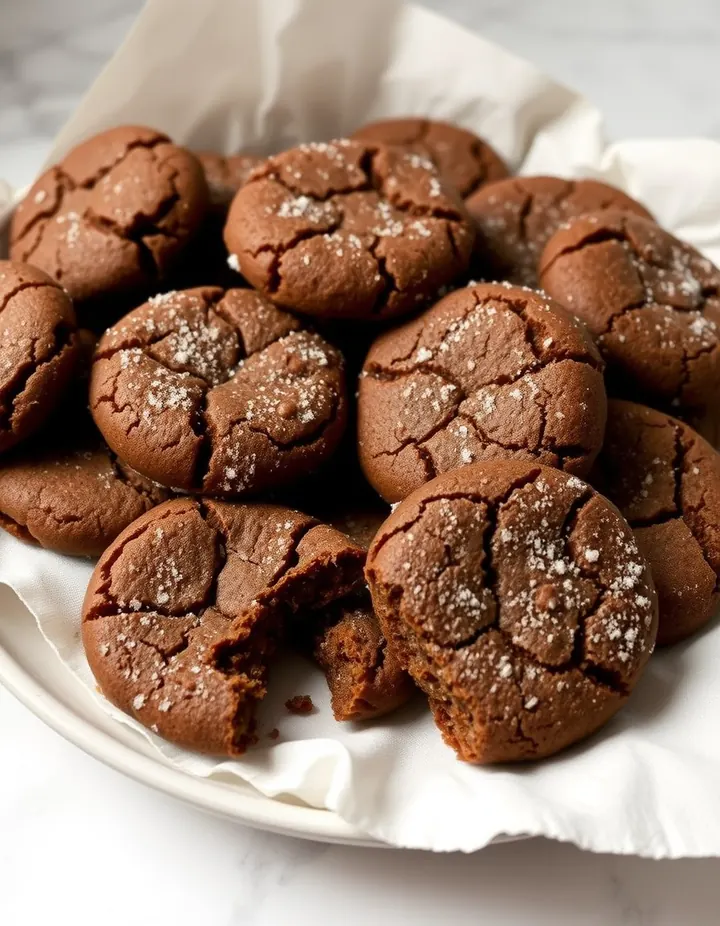 Molasses Cookies96 recipes
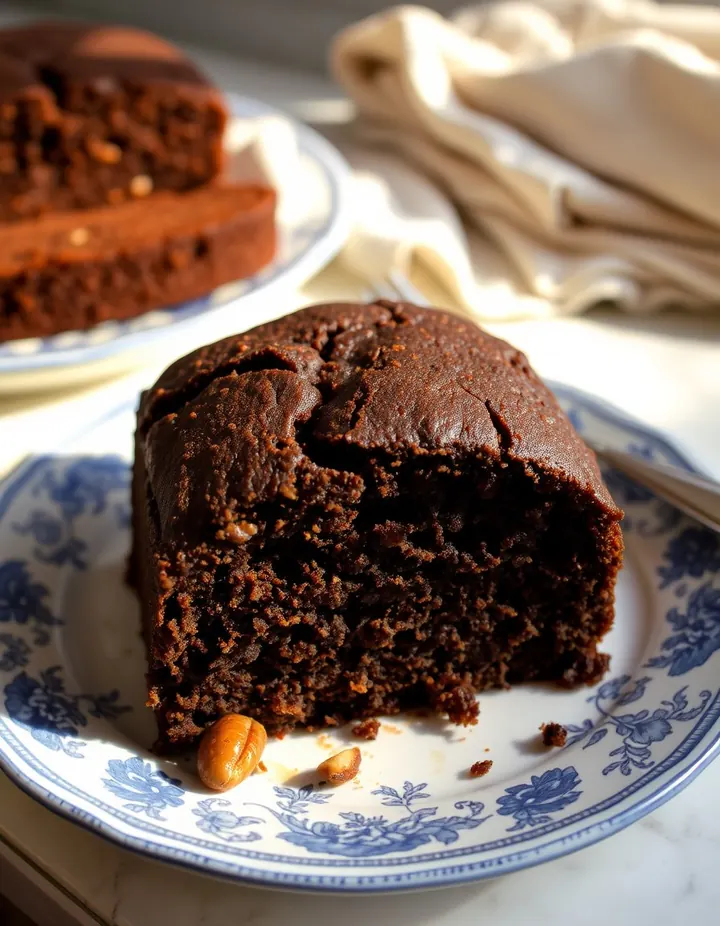 Molasses Cake90 recipes
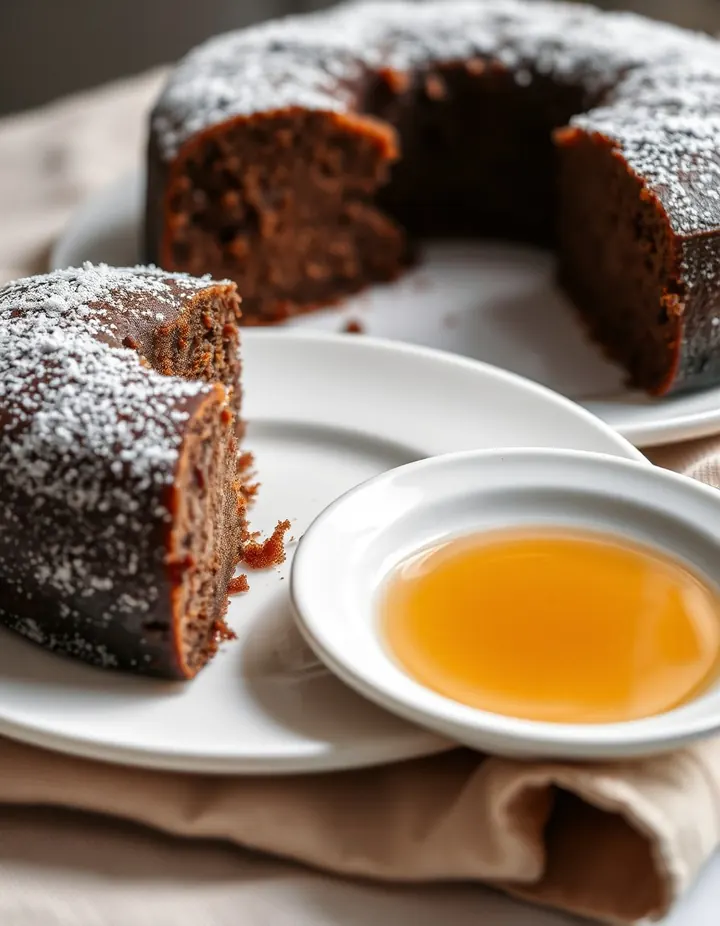 Molasses Sponge Cake9 recipes
 White Cake431 recipes
The free Flavor Lab newsletter: one surprising pairing a week and the molecular reason it works, in 60 seconds. No spam, unsubscribe anytime.
Prefer an account? Create a free account to save pairings and unlock the full chemistry.