Why it works: Biscuit and cream are a kitchen classic. They rank in the top 15% of all ingredient pairs, and cooks put them together in 1,235 recipes. Both carry octanal, which smells fat, soap. The science ↓
Jelly Puddings
Ingredients
Directions
The book says “a quick oven”. The 400°F (200°C) in the steps is the modern equivalent, not the book's own figure.
Make the batter
Scald the milk and pour it over the crumbs.
Beat the mixture until it is half cold.
Stir in the beaten egg yolks, then the egg whites, and finally the baking soda.
Bake and fill
Fill large cups half full with the batter.
Bake in a 400°F (200°C) oven for half an hour.
When done, turn out quickly and carefully.
Make an incision in the side of each pudding, pull it partly open, and add a spoonful of conserve inside.
Close the slit by pinching the edges with your fingers.
Serve warm with sweetened cream.
Transcribed from a scanned cookbook and modernised for today's kitchens. Where the book gave no heat or time, or said "a moderate oven", the temperatures and times here may be modern equivalents rather than the book's own figures.
Explore the science
The flavor team
The pairs that carry this dish. Each one is judged two ways: how much their aromas overlap, and how often cooks already put them together.
-
Biscuit + creamtop 15% of all pairsSmell alikemoderateCooked together1,235 recipes
Shared aroma: octanal (fat, soap).
-
Biscuit + milktop 17% of all pairsSmell alikemoderateCooked together1,332 recipes
Shared aroma: nonanal (fat, citrus).
-
Milk + creamtop 18% of all pairsSmell alikemoderateCooked together29,399 recipes
Shared aroma: delta-dodecalactone (sweet, creamy).
-
Milk + eggtop 18% of all pairsSmell alikemoderateCooked together88,785 recipes
Shared aroma: 2-nonenal (fatty, green).
-
Cream + eggtop 24% of all pairsSmell alikelowCooked together42,166 recipes
Shared aroma: acetic acid (sour, vinegar).
Cream and egg barely smell alike, yet cooks put them together in 42,166 recipes: they work on texture and structure more than aroma.
Ranks compare each pair with 20,000 random ingredient pairs on CompKitchen. How we score pairs
What each ingredient does
- Biscuit or bread crumbs
- Form the bulk of the batter and absorb the scalded milk to create a soft, tender body.
- Milk
- Softens the crumbs and adds moisture and richness to the batter.
- Eggs
- Bind the batter and set during baking to give the puddings their structure and lift.
- Baking soda
- Reacts with the acid in the batter to help the puddings rise and lighten.
- Jelly, jam, or marmalade
- Adds sweetness and fruity flavour in the filling that contrasts with the plain batter.
The step that matters
Fill and close the puddings after baking. Opening the warm puddings and sealing them again must be done quickly and gently, because the set crumb-and-egg structure tears easily while hot and the filling can leak out if the slit is not pinched closed.
“What each ingredient does” and “The step that matters” were written by Claude from this recipe’s own method and reviewed in samples by CompKitchen.
You might also like
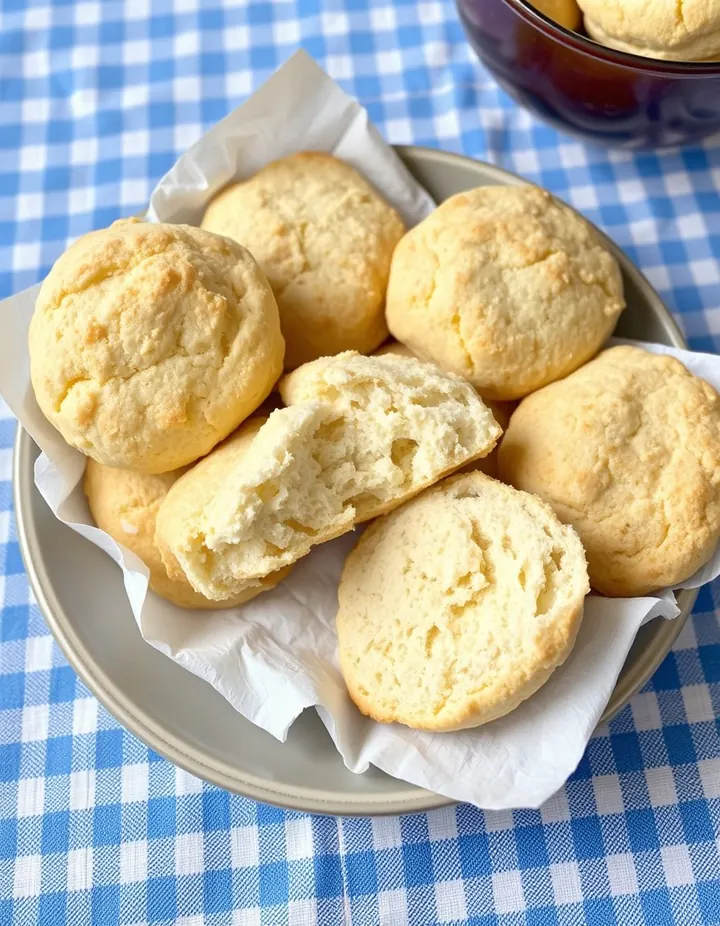 Baking Powder Biscuit119 recipes
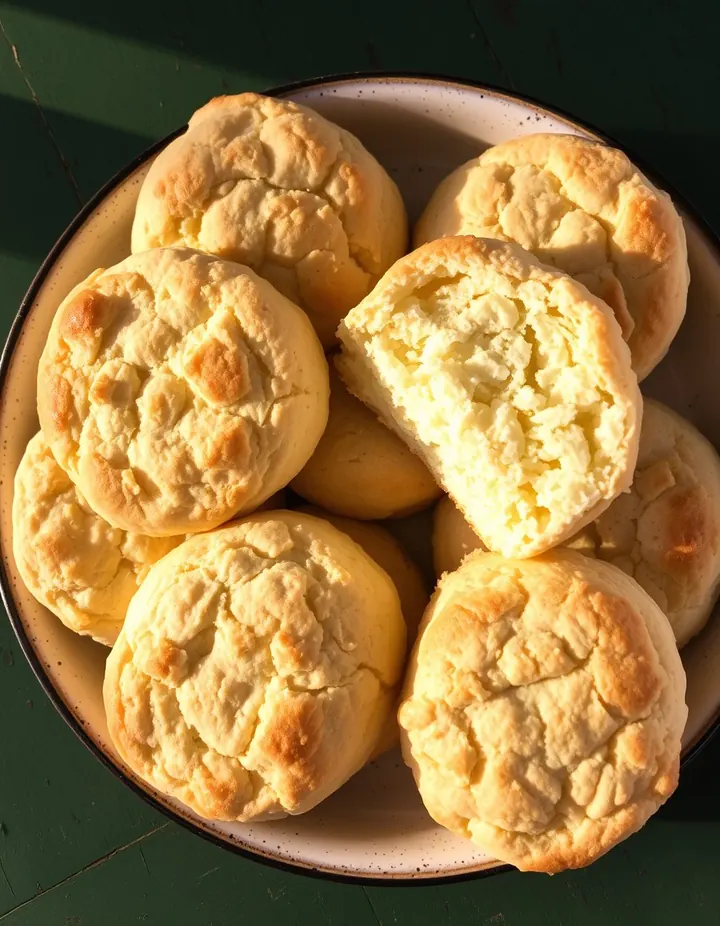 Sour Milk Biscuit27 recipes
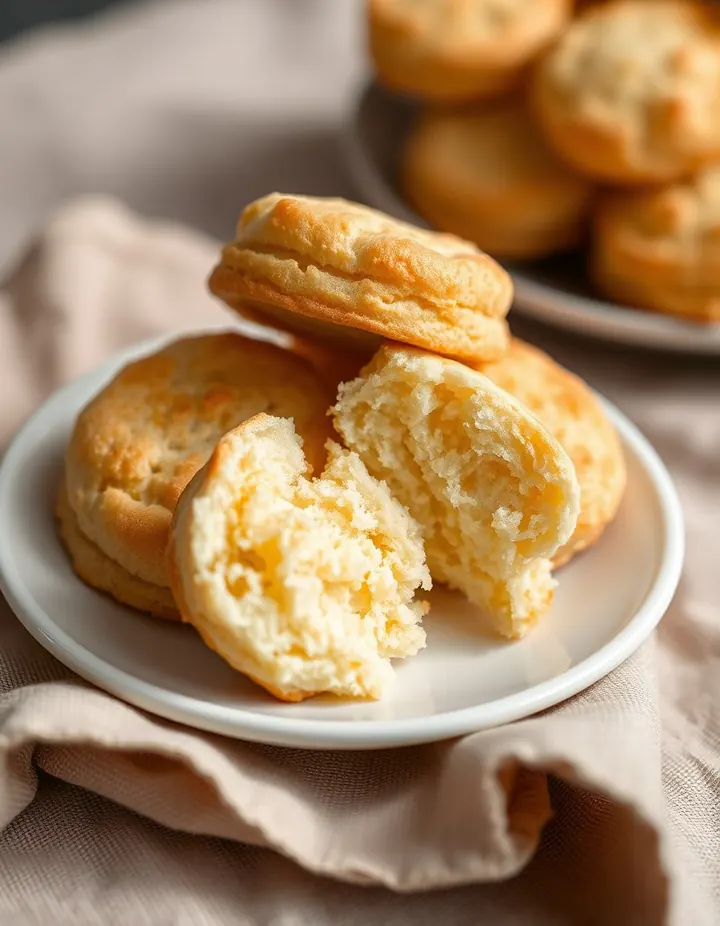 Butter Biscuit8 recipes
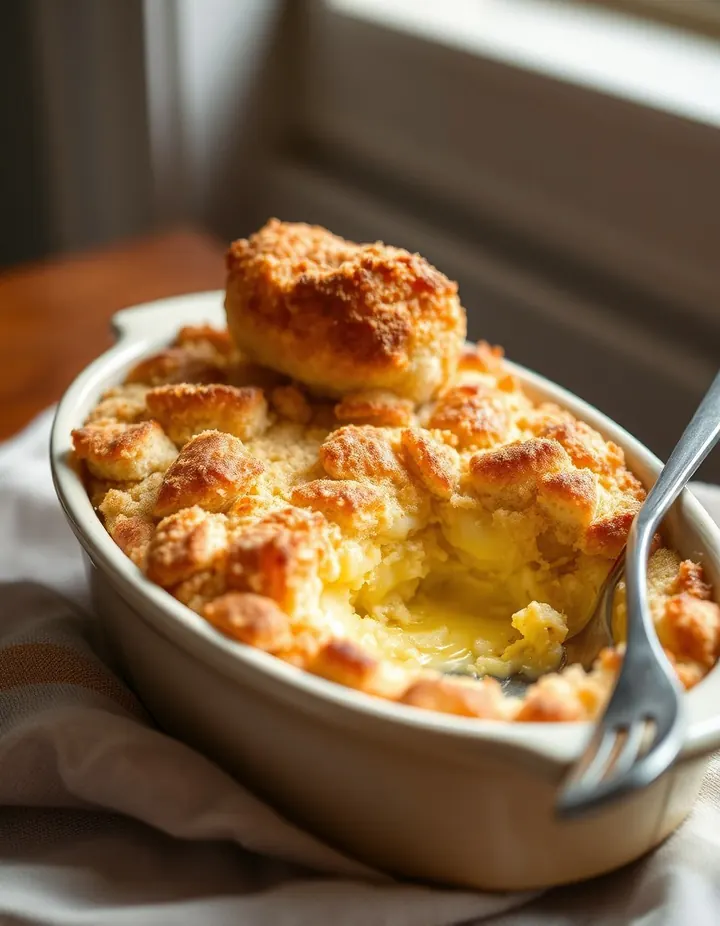 Biscuit Pudding7 recipes
The free Flavor Lab newsletter: one surprising pairing a week and the molecular reason it works, in 60 seconds. No spam, unsubscribe anytime.
Prefer an account? Create a free account to save pairings and unlock the full chemistry.