Why it works: Plum and apricot match in chemistry and in kitchens. They rank in the top 1% of all ingredient pairs, and cooks put them together in 284 recipes. Both carry damascenone, which smells apple, rose. The science ↓
To Preserve Fruit Without Sugar
Ingredients
Directions
Prepare the fruit
Gather the fruit before it is very ripe.
Place the fruit in wide-mouthed bottles, filling them completely.
Cork the bottles tightly and seal the corks.
Heat in a hay bath
In a large saucepan, place some hay and set the bottles inside, with hay between them to prevent touching.
Fill the saucepan with water to the necks of the bottles.
Heat the saucepan over the fire until the water is nearly boiling, then remove it from the heat.
Let the bottles stand until they are cold.
Store
Store the bottles in a cool place until needed.
Transcribed from a scanned cookbook and modernised for today's kitchens. Where the book gave no heat or time, or said "a moderate oven", the temperatures and times here may be modern equivalents rather than the book's own figures.
Explore the science
The flavor team
The pairs that carry this dish. Each one is judged two ways: how much their aromas overlap, and how often cooks already put them together.
-
Plum + apricottop 1% of all pairsSmell alikestrongCooked together284 recipes
Shared aroma: damascenone (apple, rose).
-
Pineapple + apricottop 2% of all pairsSmell alikestrongCooked together377 recipes
Shared aroma: delta-dodecalactone (sweet, creamy).
-
Pineapple + plumtop 3% of all pairsSmell alikestrongCooked together147 recipes
Shared aroma: 3-methyl-1-butanol (fusel, malty).
Ranks compare each pair with 20,000 random ingredient pairs on CompKitchen. How we score pairs
What each ingredient does
- Cherries
- Supplies the fruit flesh, natural sugars and acids that give the preserve its flavour.
- Strawberries
- Supplies the fruit flesh, natural sugars and acids that give the preserve its flavour.
- Plums
- Supplies the fruit flesh, natural sugars and acids that give the preserve its flavour.
- Apricots
- Supplies the fruit flesh, natural sugars and acids that give the preserve its flavour.
- Gooseberries
- Supplies the fruit flesh, natural sugars and acids that give the preserve its flavour.
- Sliced pineapple
- Supplies the fruit flesh, natural sugars and acids that give the preserve its flavour.
The step that matters
Heating the bottles in the water bath. The water should be heated to just below boiling and held there, not rapidly boiled. Gentle, even heat lets the fruit cook through without breaking apart and reduces the risk of glass bottles cracking from sudden temperature change.
Swap the pineapple
How well each one fits the dish's main ingredients (plum, apricot):
- Peachfits better
- Pearfits better
- Applefits about as well
- Pineapplethe original
Fit is the average pairing score against plum, apricot. Candidates are from the same food group and used in at least 100 recipes.
“What each ingredient does” and “The step that matters” were written by Claude from this recipe’s own method and reviewed in samples by CompKitchen.
You might also like
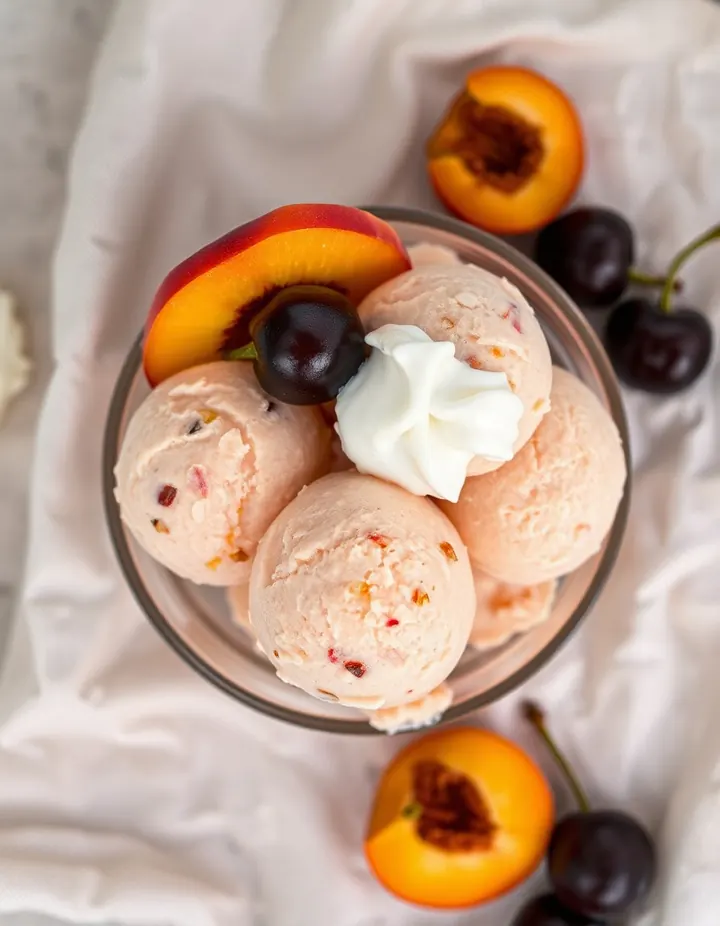 Mixed Fruit Sherbet6 recipes
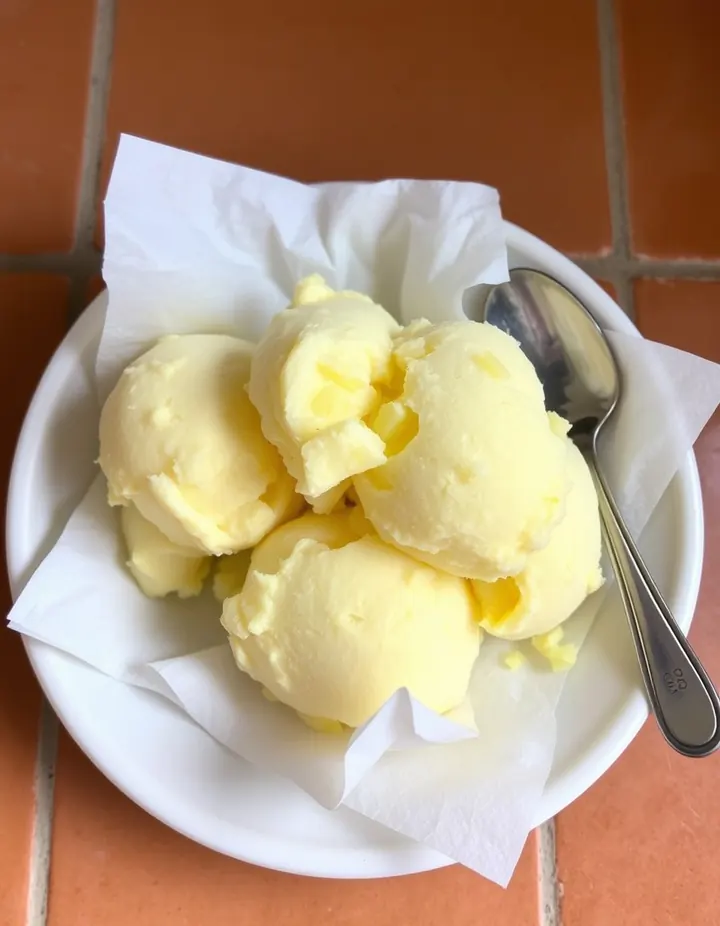 Pineapple Sherbet116 recipes
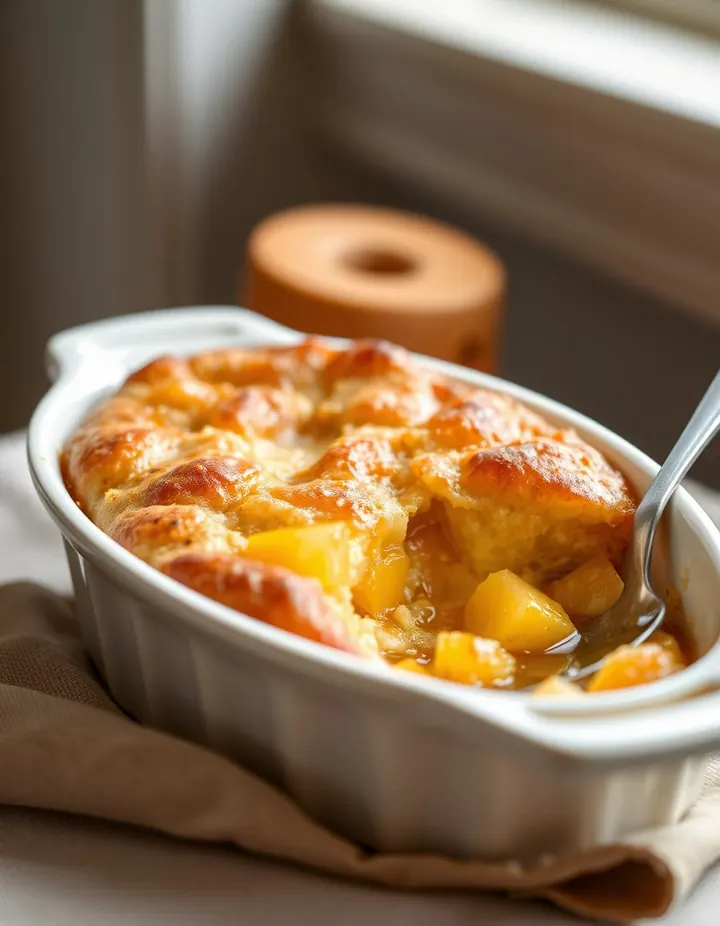 Pineapple Pudding72 recipes
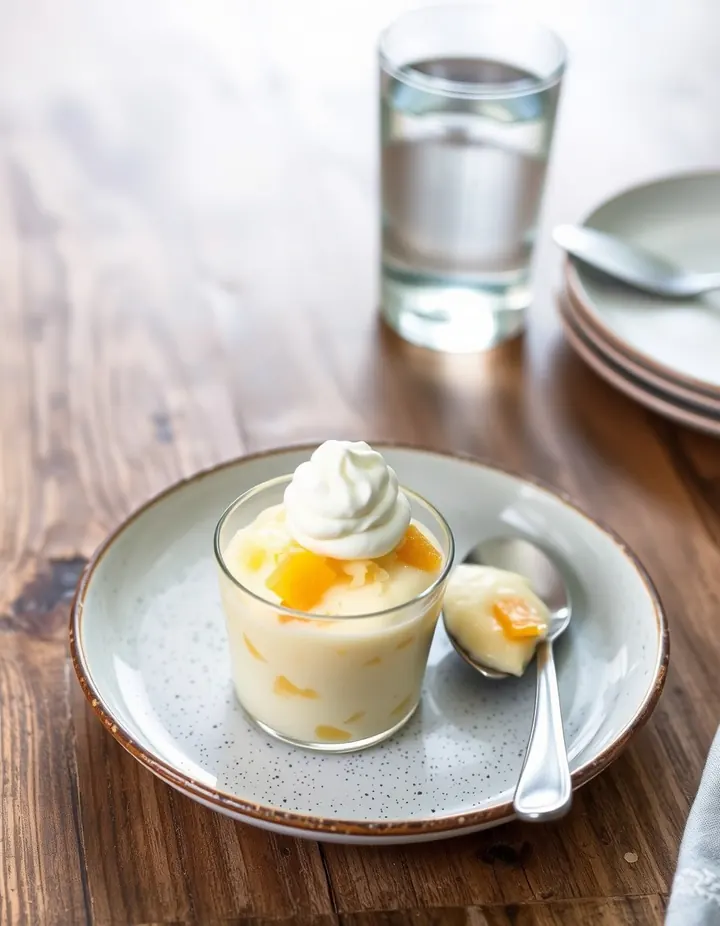 Pineapple Cream58 recipes
The free Flavor Lab newsletter: one surprising pairing a week and the molecular reason it works, in 60 seconds. No spam, unsubscribe anytime.
Prefer an account? Create a free account to save pairings and unlock the full chemistry.