Why it works: Parsley and celery match in chemistry and in kitchens. They rank in the top 1% of all ingredient pairs, and cooks put them together in 6,810 recipes. Both carry 4'-methylacetophenone, which smells bitter almond. The science ↓
Roast Pig
Ingredients
Directions
Prepare
Prepare your dressing as for Dressing for Fowls, adding half an onion chopped fine.
Wash the pig thoroughly inside and outside, then rinse the inside with water mixed with baking soda.
Wipe the pig dry with a fresh towel, salt the inside, and stuff it with the prepared dressing.
Sew it up and place it in a kneeling posture in a dripping pan, tying the legs in position.
Roast
Pour a little hot salted water into the dripping pan and baste with butter and water as the pig warms.
When it begins to smoke, rub it often with a rag dipped in melted butter to keep the skin from cracking.
Roast for 2 to 3 hours, basting regularly.
Make the gravy
Make the gravy by skimming off most of the grease, stirring in flour, and adding water to achieve the right consistency.
Season with pepper and let it boil once, then strain and add wine if desired.
Serve and carve
Serve the pig on a large hot platter, garnished with parsley or celery tops, a green wreath around the neck, and a sprig of celery in its mouth.
To carve, cut off the head first, then split down the back, and remove the hams and shoulders.
Transcribed from a scanned cookbook and modernised for today's kitchens. Where the book gave no heat or time, or said "a moderate oven", the temperatures and times here may be modern equivalents rather than the book's own figures.
Explore the science
The flavor team
The pairs that carry this dish. Each one is judged two ways: how much their aromas overlap, and how often cooks already put them together.
-
Parsley + celerytop 1% of all pairsSmell alikestrongCooked together6,810 recipes
Shared aroma: 4'-methylacetophenone (bitter almond).
-
Pepper + parsleytop 2% of all pairsSmell alikestrongCooked together34,122 recipes
Shared aroma: 4'-methylacetophenone (bitter almond).
-
Pepper + celerytop 5% of all pairsSmell alikestrongCooked together16,012 recipes
Shared aroma: 4'-methylacetophenone (bitter almond).
-
Butter + flourtop 12% of all pairsSmell alikelowCooked together124,287 recipes
Shared aroma: isobutyraldehyde (malty, green).
-
Flour + parsleytop 12% of all pairsSmell alikemoderateCooked together16,675 recipes
Shared aroma: isobutyraldehyde (malty, green).
Butter and flour barely smell alike, yet cooks put them together in 124,287 recipes: they work on texture and structure more than aroma.
Ranks compare each pair with 20,000 random ingredient pairs on CompKitchen. How we score pairs
What each ingredient does
- Young pig
- Forms the main body of the dish, with its skin and meat cooking together during roasting.
- Butter
- Basting fat that keeps the skin moist and helps it brown while roasting.
- Flour
- Thickens the defatted pan juices into a smooth gravy.
- Baking soda
- Rinse that helps loosen residues on the skin during cleaning before roasting.
- Wine
- Adds acidity and depth of flavour to the gravy.
The step that matters
Rubbing the skin with butter as it begins to smoke. Dry heat can split and toughen the skin before the fat has rendered. Regular basting with melted butter keeps the surface supple and encourages even browning.
Swap the celery
How well each one fits the dish's main ingredients (butter, flour, pepper, wine, parsley):
- Thymefits better
- Tarragonfits better
- Marjoramfits better
- Celerythe original
Fit is the average pairing score against butter, flour, pepper, wine, parsley. Candidates are from the same food group and used in at least 100 recipes.
“What each ingredient does” and “The step that matters” were written by Claude from this recipe’s own method and reviewed in samples by CompKitchen.
More roast pig recipes
You might also like
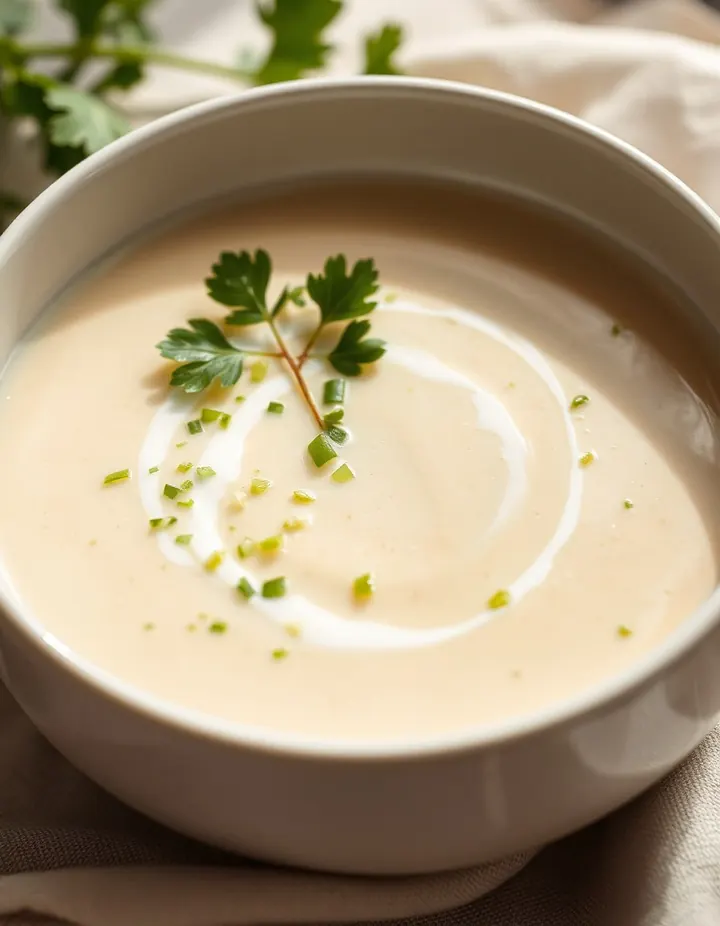 Cream of Celery Soup113 recipes
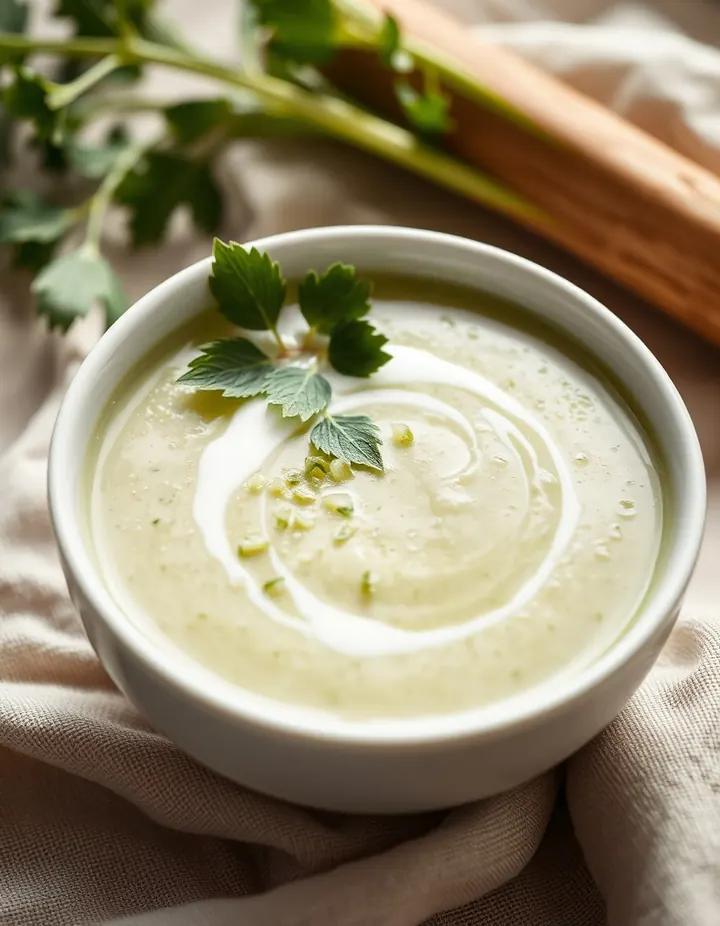 Celery Stew25 recipes
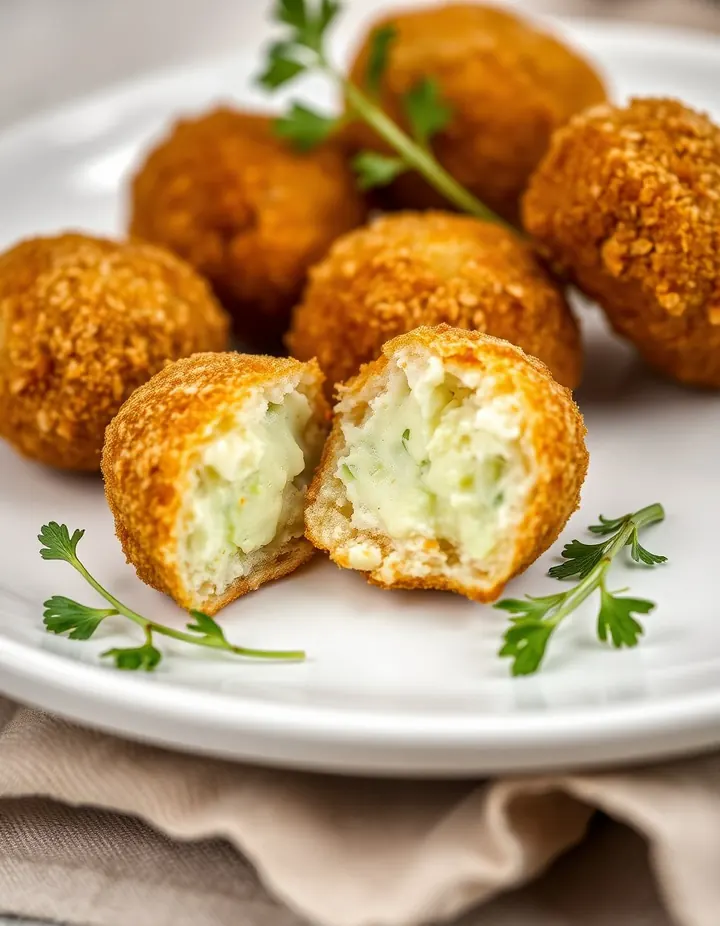 Celery Croquettes16 recipes
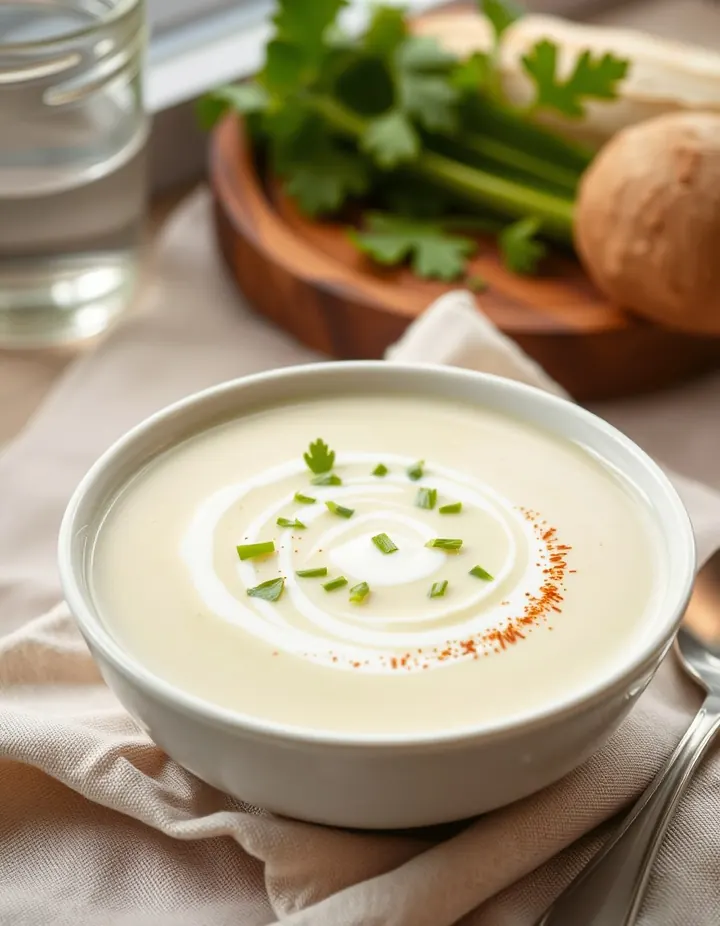 Celery Cream Soup15 recipes
The free Flavor Lab newsletter: one surprising pairing a week and the molecular reason it works, in 60 seconds. No spam, unsubscribe anytime.
Prefer an account? Create a free account to save pairings and unlock the full chemistry.