Why it works: Milk and vanilla are a kitchen classic. They rank in the top 5% of all ingredient pairs, and cooks put them together in 19,187 recipes. Both carry ethyl caproate, which smells fruity, apple peel. The science ↓
Boston Cream Cakes
Ingredients
Directions
The book says “a quick oven”. The 400°F (200°C) in the steps is the modern equivalent, not the book's own figure.
Make the choux-style dough
Combine the butter and hot water in a large saucepan and heat until boiling.
Add the sifted flour all at once and mix well with a vegetable masher until smooth.
Remove from heat and let cool slightly.
Stir in the beaten egg yolks, then the egg whites, baking soda, and salt.
Drop spoonfuls of the mixture onto greased baking tins, spacing them about two inches apart.
Bake and open the cakes
Bake in a 400°F (200°C) oven for about 15 minutes until golden.
Once cooled, carefully open the sides of the cakes with a knife or scissors.
Make the filling and assemble
For the filling, combine the eggs, corn‑starch (or flour), and sugar in a bowl.
Heat the milk in a double boiler.
Once it looks like it's boiling, pour in the egg mixture and stir briskly for 3 minutes until thickened.
Remove from heat, add the butter, and flavor with vanilla or lemon.
Fill the cakes with the custard.
Transcribed from a scanned cookbook and modernised for today's kitchens. Where the book gave no heat or time, or said "a moderate oven", the temperatures and times here may be modern equivalents rather than the book's own figures.
Explore the science
The flavor team
The pairs that carry this dish. Each one is judged two ways: how much their aromas overlap, and how often cooks already put them together.
-
Milk + vanillatop 5% of all pairsSmell alikemoderateCooked together19,187 recipes
Shared aroma: ethyl caproate (fruity, apple peel).
-
Butter + milktop 7% of all pairsSmell alikemoderateCooked together81,283 recipes
Shared aroma: (z)-4-heptenal (biscuit, cream).
-
Sugar + vanillatop 8% of all pairsSmell alikelowCooked together35,032 recipes
Shared aroma: beta-damascenone (apple, rose).
-
Corn + vanillatop 9% of all pairsSmell alikemoderateCooked together1,943 recipes
Shared aroma: ethyl cinnamate (sweet, balsamic).
-
Corn + milktop 10% of all pairsSmell alikemoderateCooked together6,955 recipes
Shared aroma: hexanal (green, grassy).
Sugar and vanilla barely smell alike, yet cooks put them together in 35,032 recipes: they work on texture and structure more than aroma.
Ranks compare each pair with 20,000 random ingredient pairs on CompKitchen. How we score pairs
What each ingredient does
- Flour
- Provides the structure that sets the dough and holds the cakes together.
- Eggs
- Add structure and richness, and set the custard when heated.
- Butter
- Adds fat for tenderness and richness in both the cakes and the custard.
- Corn-starch
- Thickens the custard as it heats, giving it a smooth, sliceable body.
- Milk
- Forms the liquid base of the custard and adds richness.
The step that matters
Stirring the custard as it thickens. Egg and starch mixtures can scorch or curdle if heated unevenly. Stirring briskly over gentle heat keeps the custard smooth while the starch swells and the eggs set.
“What each ingredient does” and “The step that matters” were written by Claude from this recipe’s own method and reviewed in samples by CompKitchen.
You might also like
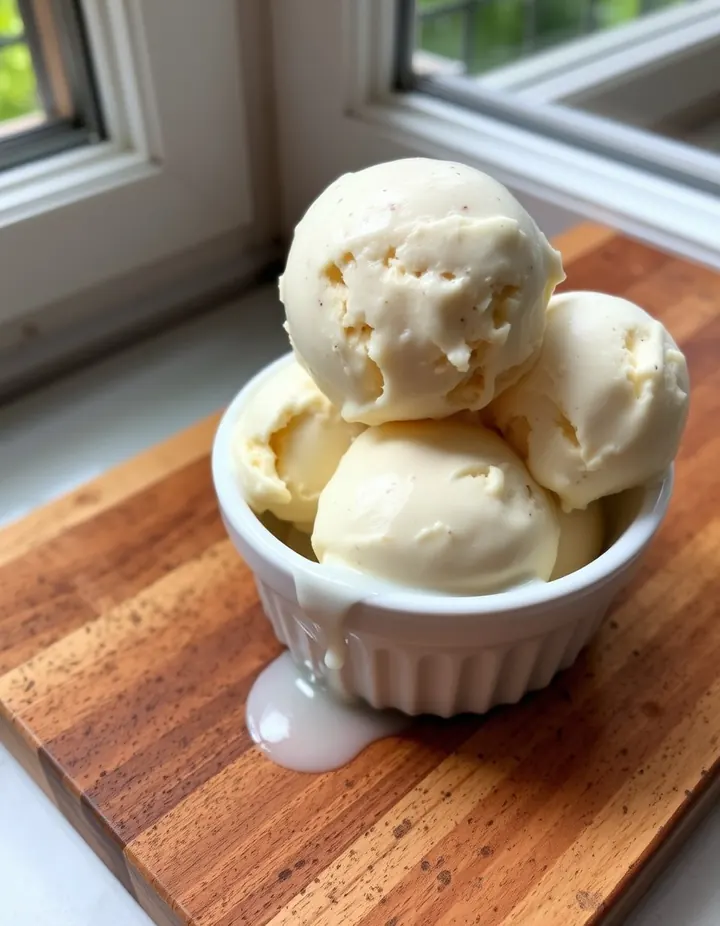 Vanilla Ice Cream108 recipes
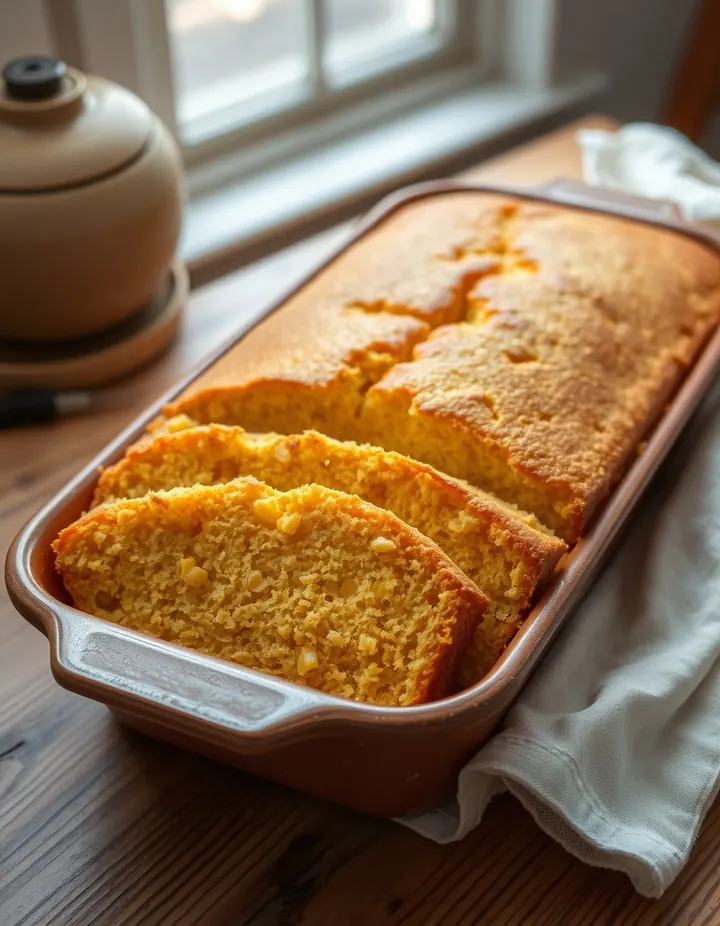 Corn Cake90 recipes
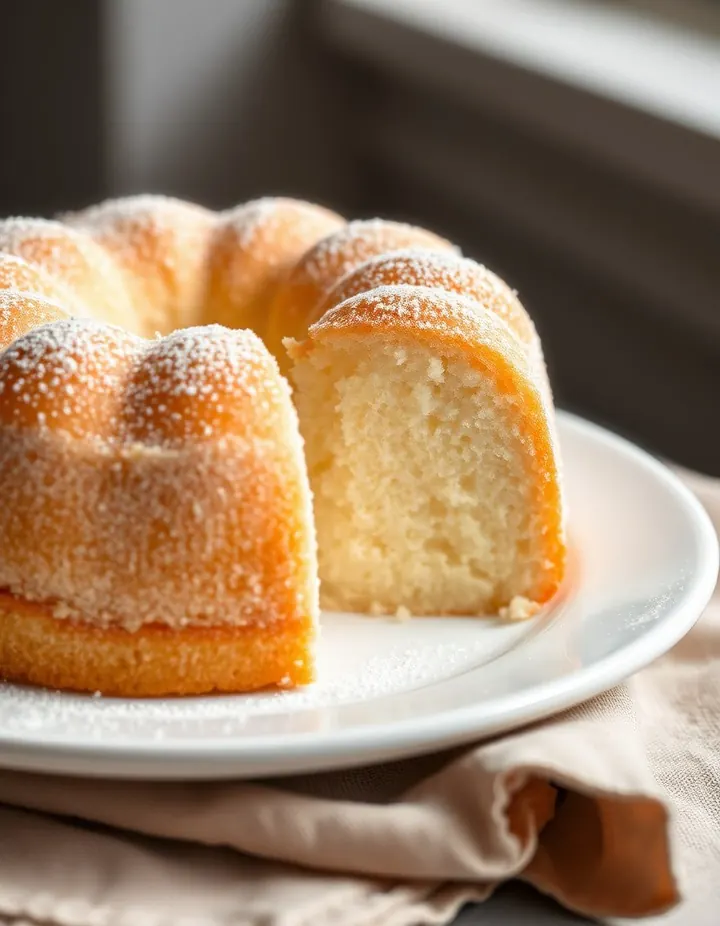 Corn Starch Cake89 recipes
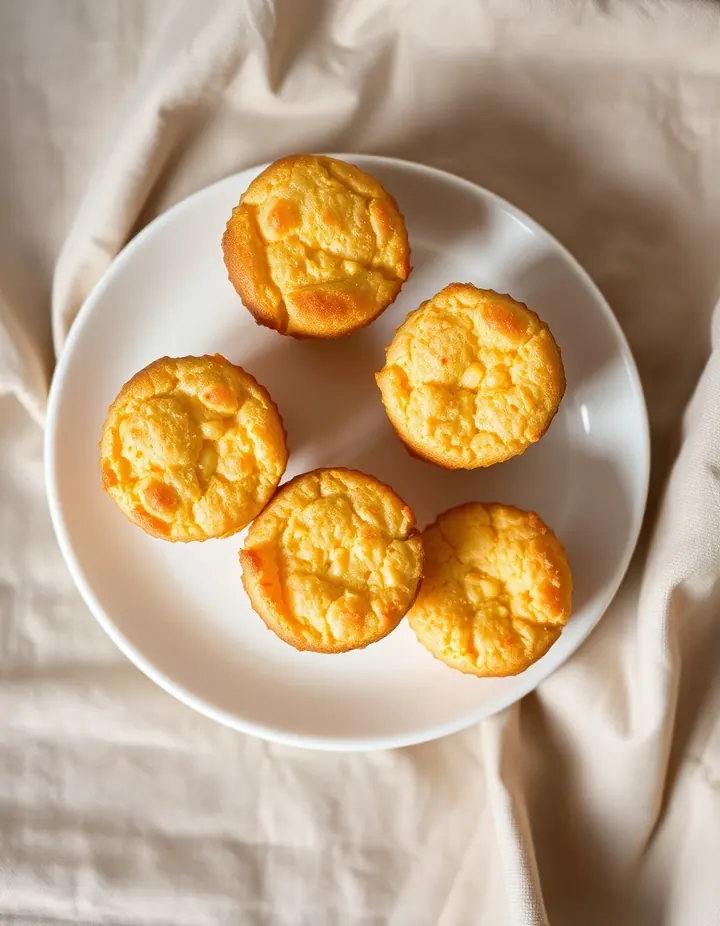 Corn Cakes22 recipes
The free Flavor Lab newsletter: one surprising pairing a week and the molecular reason it works, in 60 seconds. No spam, unsubscribe anytime.
Prefer an account? Create a free account to save pairings and unlock the full chemistry.