Why it works: Butter and flour are a kitchen classic. They rank in the top 12% of all ingredient pairs, and cooks put them together in 124,287 recipes. Both carry isobutyraldehyde, which smells malty, green. The science ↓
To Roast Turkey
Ingredients
Directions
The book says “a hot oven”. The 400°F in the steps is the modern equivalent, not the book's own figure.
Prepare the turkey
Fill the turkey.
Sew it up.
Tie the thighs close to the body with twine.
Cross the drumsticks over the tail.
Secure the tips of the wings close to the body.
Rub the turkey with soft butter.
Rub the turkey with coarse sea salt.
Rub the turkey with black pepper.
Rub the turkey with flour.
Place the turkey breast side down on a rack.
Place the turkey in a baking pan with pieces of turkey fat underneath.
Roast
Roast in a hot oven (400°F / 200°C) for 5 minutes until the flour begins to color.
Reduce the heat slightly.
Add 2 cups of stock or hot water to the pan.
If the turkey browns too quickly, cover it with greased paper.
Baste frequently.
Dredge lightly with flour after each basting.
Roast for 2 to 2.5 hours.
Test the thigh with a fork to check doneness.
Remove the turkey to a hot platter.
Keep warm while making the gravy.
Make the gravy
Pour off excess fat from the pan.
Stir 2 tablespoons of flour into the remaining fat. Stir smooth.
Let it brown.
Gradually add boiling water to achieve desired consistency.
Season the gravy with salt.
Season the gravy with pepper.
Add culinary bouquet if needed.
Transcribed from a scanned cookbook and modernised for today's kitchens. Where the book gave no heat or time, or said "a moderate oven", the temperatures and times here may be modern equivalents rather than the book's own figures.
Explore the science
The flavor team
The pairs that carry this dish. Each one is judged two ways: how much their aromas overlap, and how often cooks already put them together.
-
Butter + flourtop 12% of all pairsSmell alikelowCooked together124,287 recipes
Shared aroma: isobutyraldehyde (malty, green).
-
Turkey + buttertop 13% of all pairsSmell alikemoderateCooked together1,592 recipes
Shared aroma: trans-2-decenal (waxy, orange).
-
Turkey + peppertop 15% of all pairsSmell alikemoderateCooked together1,636 recipes
Shared aroma: myristicin (spice, warm).
-
Pepper + flourtop 19% of all pairsSmell alikemoderateCooked together50,459 recipes
Shared aroma: isobutyraldehyde (malty, green).
-
Butter + peppertop 21% of all pairsSmell alikemoderateCooked together85,593 recipes
Shared aroma: trans-2-nonenal (cardboard, fatty).
Butter and flour barely smell alike, yet cooks put them together in 124,287 recipes: they work on texture and structure more than aroma.
Ranks compare each pair with 20,000 random ingredient pairs on CompKitchen. How we score pairs
What each ingredient does
- Turkey
- Forms the main body of the dish, cooking through to tender meat during roasting.
- Soft butter
- Adds fat that promotes browning and a richer flavour on the skin.
- Flour
- Coating that helps the skin brown and thickens the gravy drippings.
- Turkey fat
- Cushions the bird in the pan and adds fat for flavour and browning.
- Stock
- Adds moisture and flavour to the pan, helping keep the meat juicy and the gravy savoury.
The step that matters
Dredge lightly with flour after each basting. Too much flour builds a pasty layer that can burn, while a light coating helps the skin brown and the pan juices thicken smoothly for gravy.
“What each ingredient does” and “The step that matters” were written by Claude from this recipe’s own method and reviewed in samples by CompKitchen.
More roast turkey recipes
You might also like
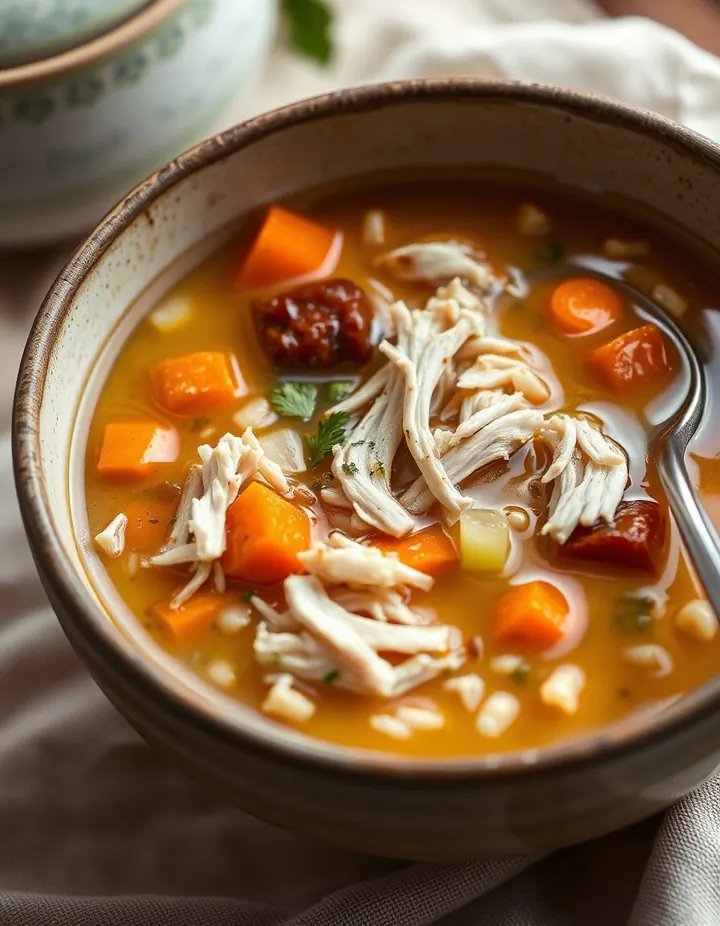 Turkey Soup71 recipes
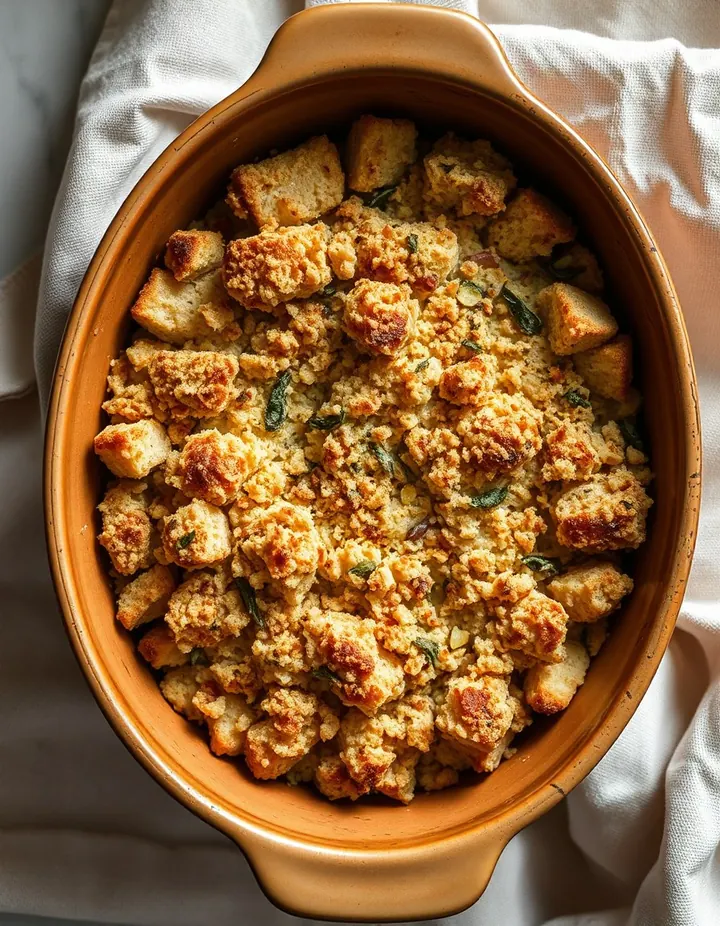 Turkey Stuffing26 recipes
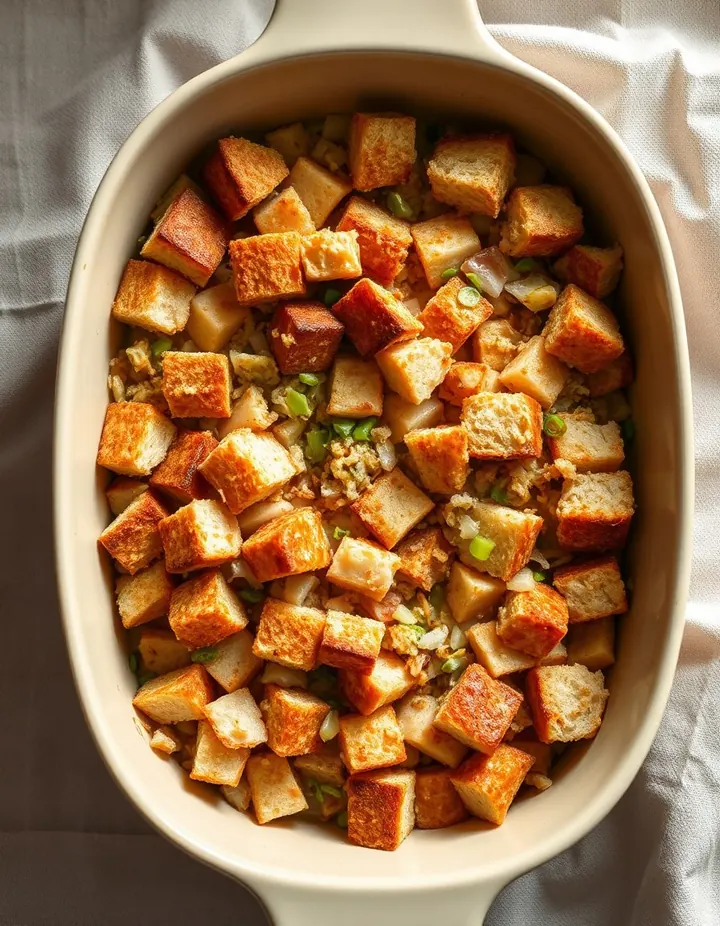 Turkey Dressing24 recipes
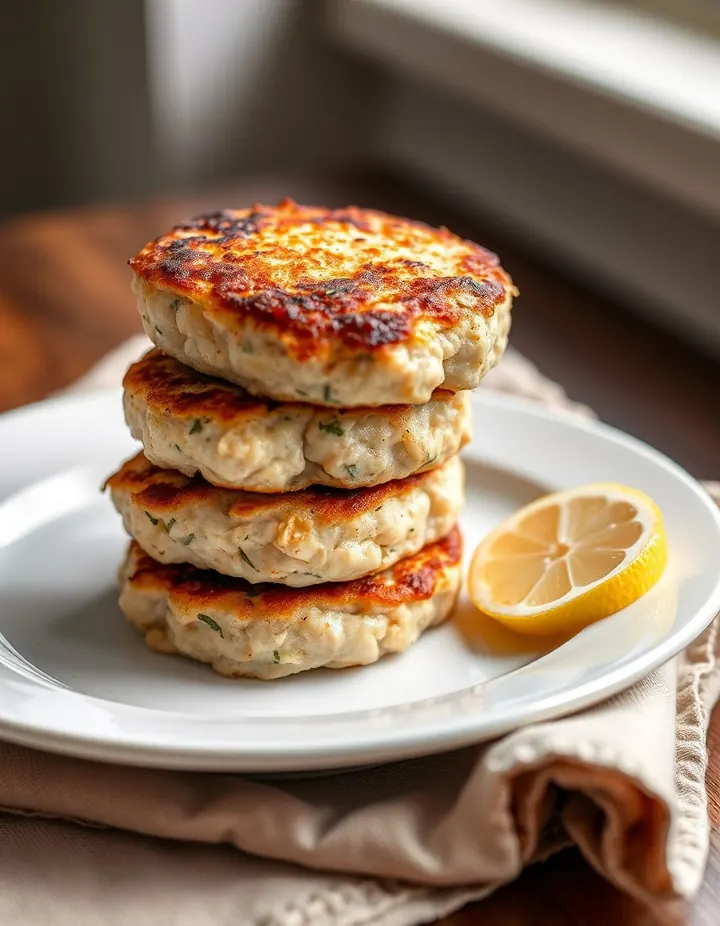 Turkey Patties12 recipes
The free Flavor Lab newsletter: one surprising pairing a week and the molecular reason it works, in 60 seconds. No spam, unsubscribe anytime.
Prefer an account? Create a free account to save pairings and unlock the full chemistry.