Why it works: Oyster and butter are a kitchen classic. They rank in the top 12% of all ingredient pairs, and 8,184 recipes mention both. Both carry 2,6-nonadienal, which smells cucumber, green. The science ↓
Steamed Oysters
Ingredients
Directions
Prepare
Wash the shell oysters and place them in a colander with the upper shell facing down to retain the liquor.
Cover the colander with a cloth and press a pot lid down to exclude air.
Steam and serve
Set the colander over a pot of boiling water, ensuring it does not touch the water.
Boil for 20 minutes, then check if the oysters are open.
If open, remove the cover and serve on the half-shell or in a hot chafing dish.
Sprinkle with coarse sea salt and add a few bits of butter before serving hot.
Transcribed from a scanned cookbook and modernised for today's kitchens. Where the book gave no heat or time, or said "a moderate oven", the temperatures and times here may be modern equivalents rather than the book's own figures.
Explore the science
The flavor team
The pairs that carry this dish. Each one is judged two ways: how much aroma chemistry they share, and how many recipes mention both.
-
Oyster + buttertop 12% of all pairsAroma overlapmoderateMentioned together8,184 recipes
Shared aroma: 2,6-nonadienal (cucumber, green).
Ranks compare each pair with 20,000 random ingredient pairs on CompKitchen. How we score pairs
What each ingredient does
- Shell oysters
- Are the main ingredient, cooked in their shells so they open and keep their own liquor.
- Butter
- Adds richness and a silky mouthfeel as it melts over the hot oysters.
The step that matters
Checking that the oysters have opened. Oysters that stay closed after steaming may be dead or undercooked, so the cook should check each one before serving and discard any that remain shut.
“What each ingredient does” and “The step that matters” were written by Claude from this recipe’s own method and reviewed in samples by CompKitchen.
You might also like
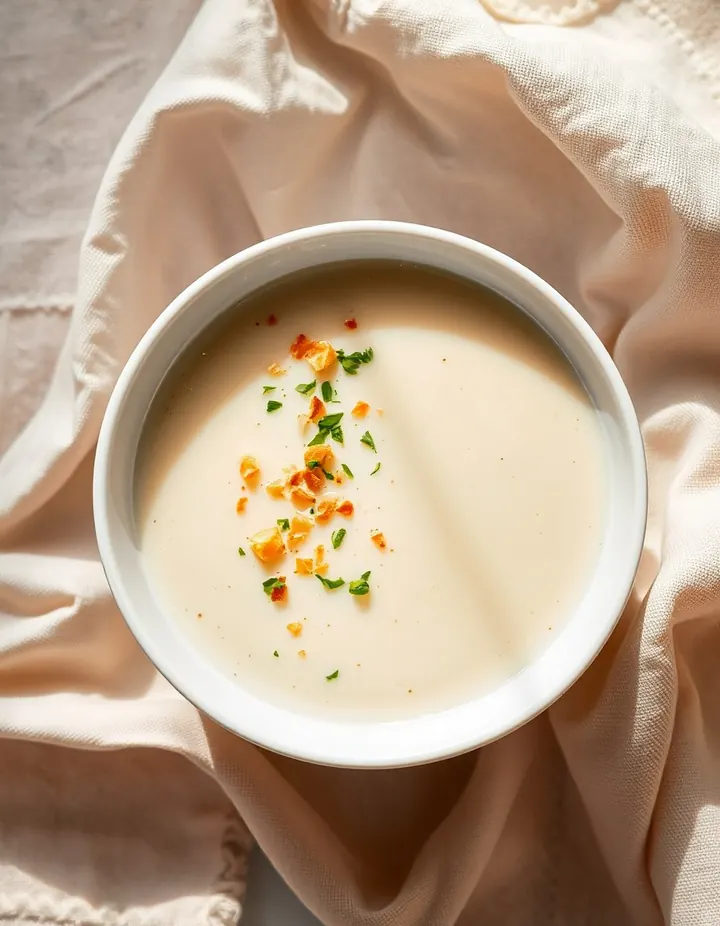 Mock Oyster Soup21 recipes
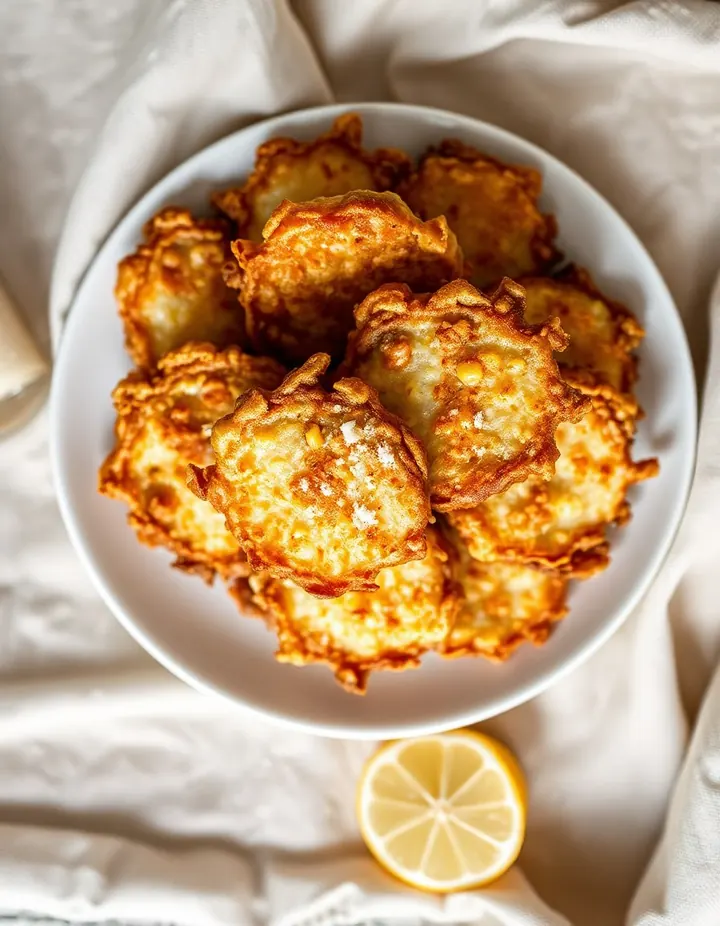 Corn Fritters6 recipes
 Tomato Soup526 recipes
 Brown Bread461 recipes
The Sunday pairing: one pairing, the chemistry behind it, and how to cook it. No spam, unsubscribe anytime.
Prefer an account? Create a free account for sign-in; Pro adds the full results and chemistry.