Why it works: Chervil and tarragon match in chemistry and in kitchens. They rank in the top 1% of all ingredient pairs, and cooks put them together in 824 recipes. Both carry estragole, which smells anise, licorice. The science ↓
French Mustard
Ingredients
Directions
Prepare
Grind the mustard flour, parsley, chervil, celery, tarragon, and garlic together until well combined.
Add the salt and chopped anchovies, mixing thoroughly.
Add grape juice or sugar to sweeten, then enough water to form a thin paste.
Pot and seal
Transfer the mixture into pots and briefly insert a red hot iron into each pot.
Add a little wine vinegar to each pot before sealing.
Transcribed from a scanned cookbook and modernised for today's kitchens. Where the book gave no heat or time, or said "a moderate oven", the temperatures and times here may be modern equivalents rather than the book's own figures.
Explore the science
The flavor team
The pairs that carry this dish. Each one is judged two ways: how much their aromas overlap, and how often cooks already put them together.
-
Chervil + tarragontop 1% of all pairsSmell alikestrongCooked together824 recipes
Shared aroma: estragole (anise, licorice).
-
Parsley + tarragontop 1% of all pairsSmell alikestrongCooked together1,563 recipes
Shared aroma: estragole (anise, licorice).
-
Mustard + tarragontop 1% of all pairsSmell alikestrongCooked together901 recipes
Shared aroma: methyleugenol (clove, spice).
-
Parsley + cherviltop 1% of all pairsSmell alikestrongCooked together774 recipes
Shared aroma: estragole (anise, licorice).
-
Parsley + celerytop 1% of all pairsSmell alikestrongCooked together6,810 recipes
Shared aroma: 4'-methylacetophenone (bitter almond).
Ranks compare each pair with 20,000 random ingredient pairs on CompKitchen. How we score pairs
What each ingredient does
- Mustard flour
- Provides the pungent mustard flavour and the bulk of the paste.
- Salt anchovies
- Add savoury depth and salt that seasons the whole paste.
- Garlic
- Adds sharp aromatic pungency to the mixture.
- Grape juice or sugar
- Adds sweetness that balances the sharpness of the mustard.
- Wine vinegar
- Adds acidity that sharpens flavour and helps preserve the mustard.
The step that matters
Thin to a paste with water. Mustard flavour comes from enzymes releasing compounds when the flour is moistened, and the heat of the mustard fades over time. Adding the right amount of water to form a thin paste lets those reactions proceed evenly and keeps the texture spreadable.
Swap the grape
How well each one fits the dish's main ingredients (mustard, flour, parsley, chervil, celery, tarragon, garlic):
- Lemonfits better
- Limefits better
- Avocadofits better
- Grapethe original
Fit is the average pairing score against mustard, flour, parsley, chervil, celery, tarragon, garlic. Candidates are from the same food group and used in at least 100 recipes.
“What each ingredient does” and “The step that matters” were written by Claude from this recipe’s own method and reviewed in samples by CompKitchen.
You might also like
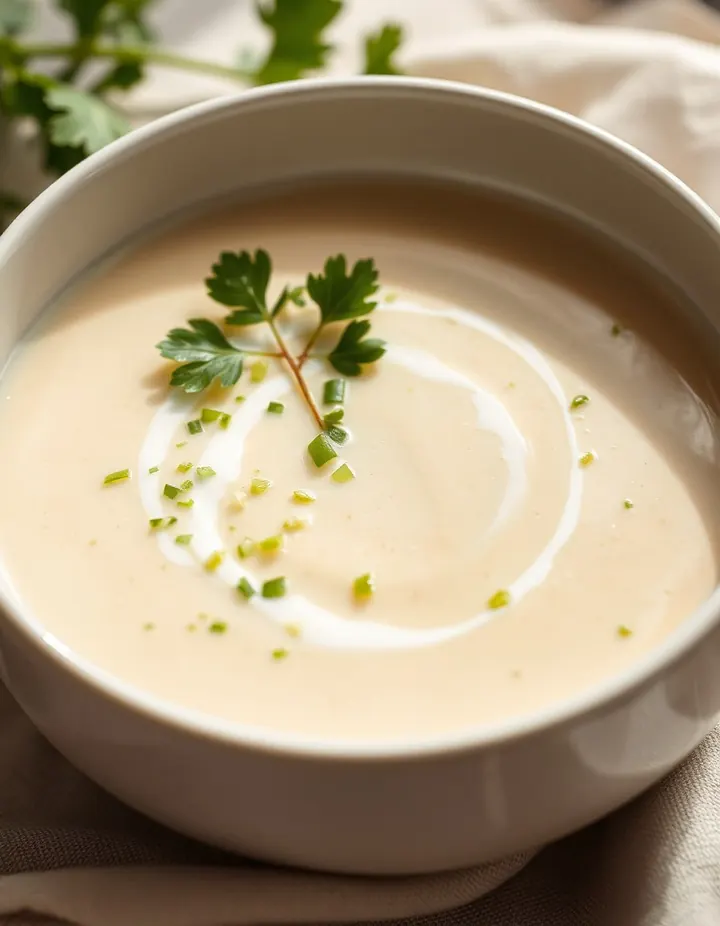 Cream of Celery Soup113 recipes
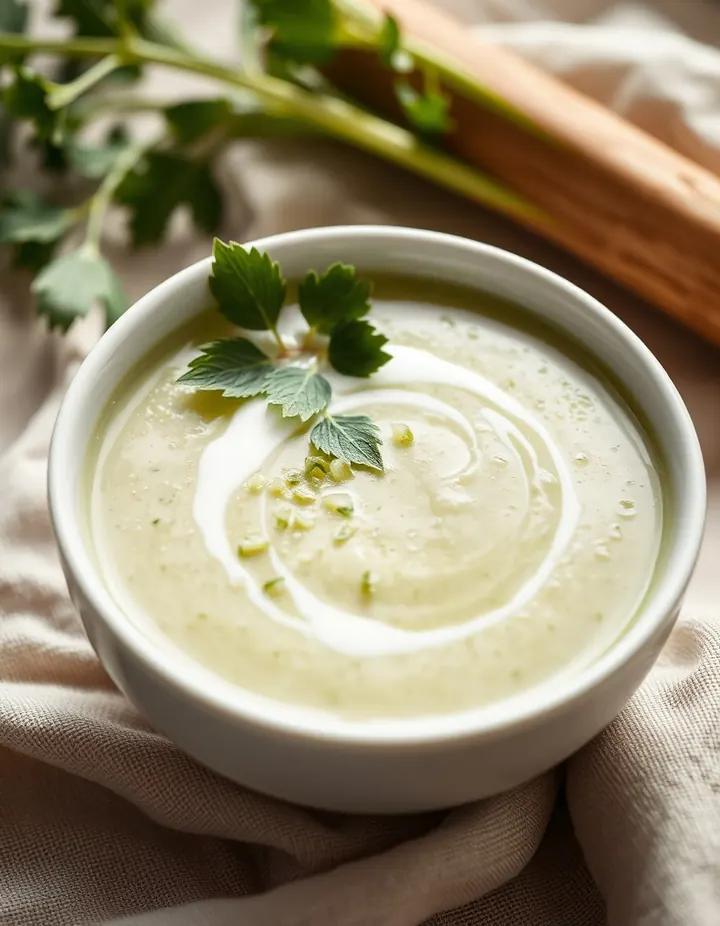 Celery Stew25 recipes
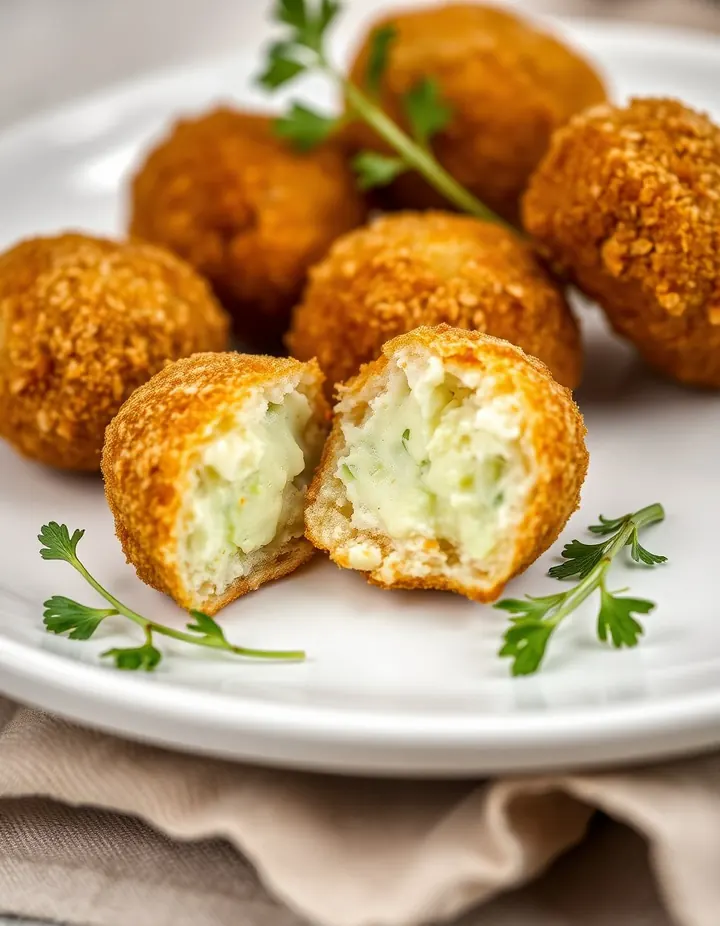 Celery Croquettes16 recipes
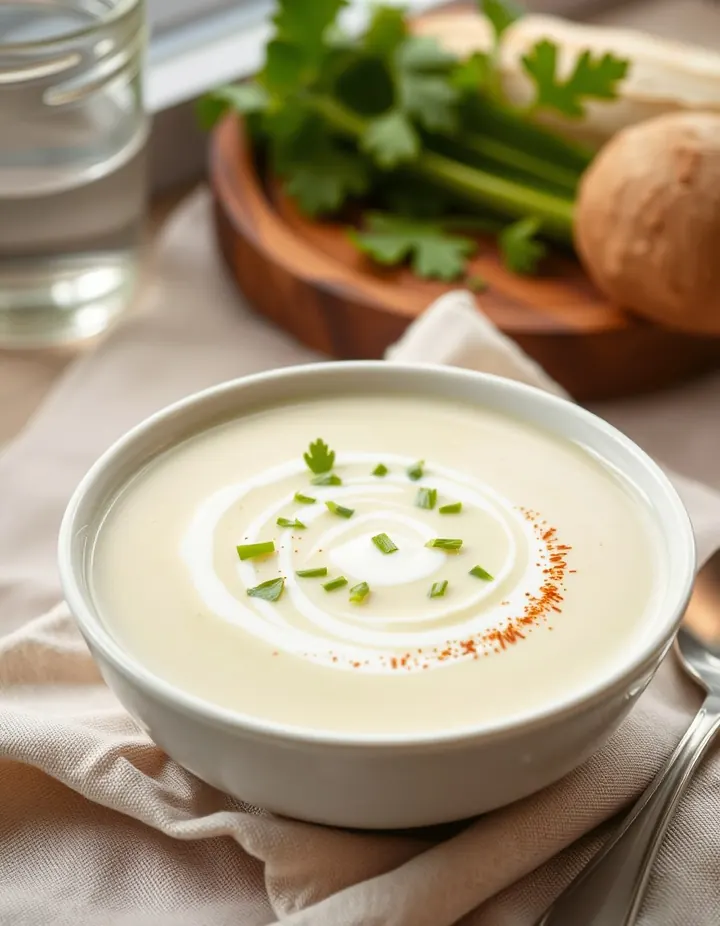 Celery Cream Soup15 recipes
The free Flavor Lab newsletter: one surprising pairing a week and the molecular reason it works, in 60 seconds. No spam, unsubscribe anytime.
Prefer an account? Create a free account to save pairings and unlock the full chemistry.