Why it works: Peach and syrup work together. They rank in the top 19% of all ingredient pairs, and cooks put them together in 210 recipes. Both carry ethanol, which smells alcoholic, ethereal. The science ↓
Peaches in Syrup
Ingredients
Directions
Prepare the peaches
Peel the peaches and cut them in half.
Soak the peaches in cold water with alum and sulphite of soda until cooled.
Drain the peaches and place them in cans or jars.
Dip the peaches in hot syrup and process.
Process and cool
Process quart cans for 10 minutes in boiling water.
Process pint cans for 8 minutes in boiling water.
Process quart jars for 5 minutes in boiling water.
Cool the cans with cold water.
Allow jars to remain in the bath for 5 minutes to cool gradually.
Transcribed from a scanned cookbook and modernised for today's kitchens. Where the book gave no heat or time, or said "a moderate oven", the temperatures and times here may be modern equivalents rather than the book's own figures.
Explore the science
The flavor team
The pairs that carry this dish. Each one is judged two ways: how much their aromas overlap, and how often cooks already put them together.
-
Peach + syruptop 19% of all pairsSmell alikelowCooked together210 recipes
Shared aroma: ethanol (alcoholic, ethereal).
Ranks compare each pair with 20,000 random ingredient pairs on CompKitchen. How we score pairs
What each ingredient does
- Peaches
- The main fruit, whose firm flesh holds its shape and texture through processing.
- Alum
- Firms the fruit tissue so the peaches stay firm rather than turning soft during processing.
- Sulphite of soda
- Helps prevent the peaches from darkening, keeping their light colour.
- Syrup
- Adds sweetness and moisture, filling the fruit and coating it in the jar or can.
The step that matters
Process for the correct time for each container size. Heat must penetrate to the centre of the fruit and liquid to destroy spoilage microbes and seal the container. Quart cans, pint cans and quart jars each need their own time, so using the wrong time risks an unsafe, spoiled product.
“What each ingredient does” and “The step that matters” were written by Claude from this recipe’s own method and reviewed in samples by CompKitchen.
You might also like
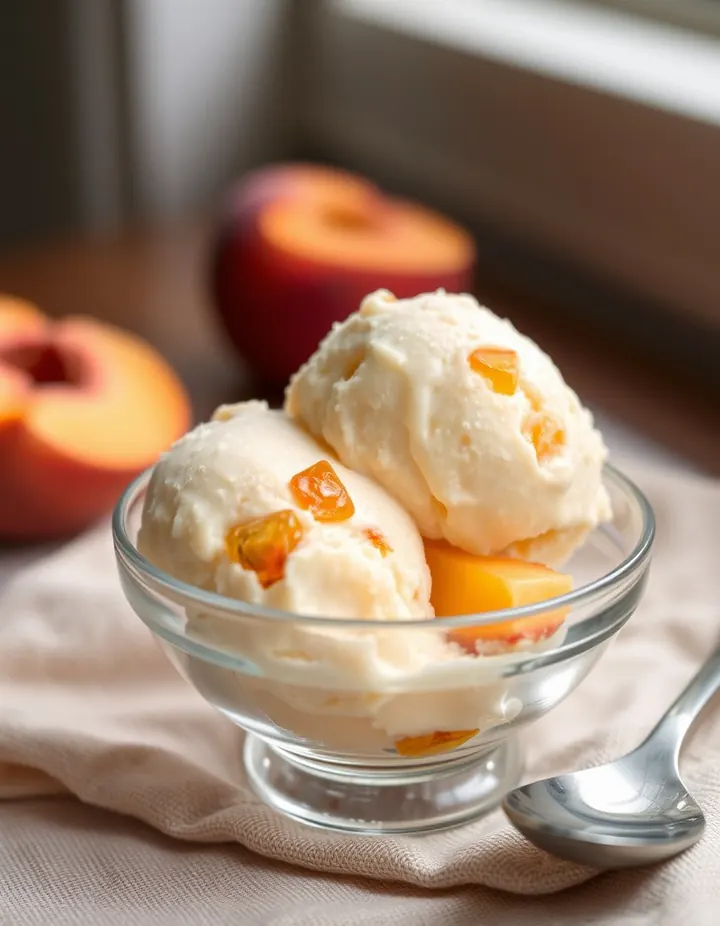 Peach Ice Cream64 recipes
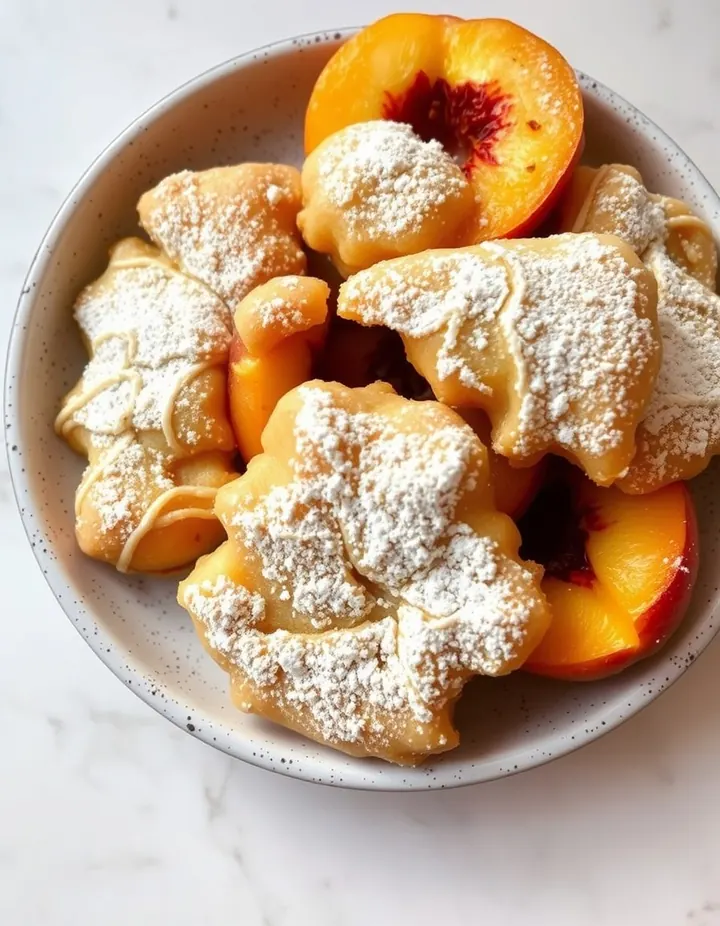 Peach Fritters55 recipes
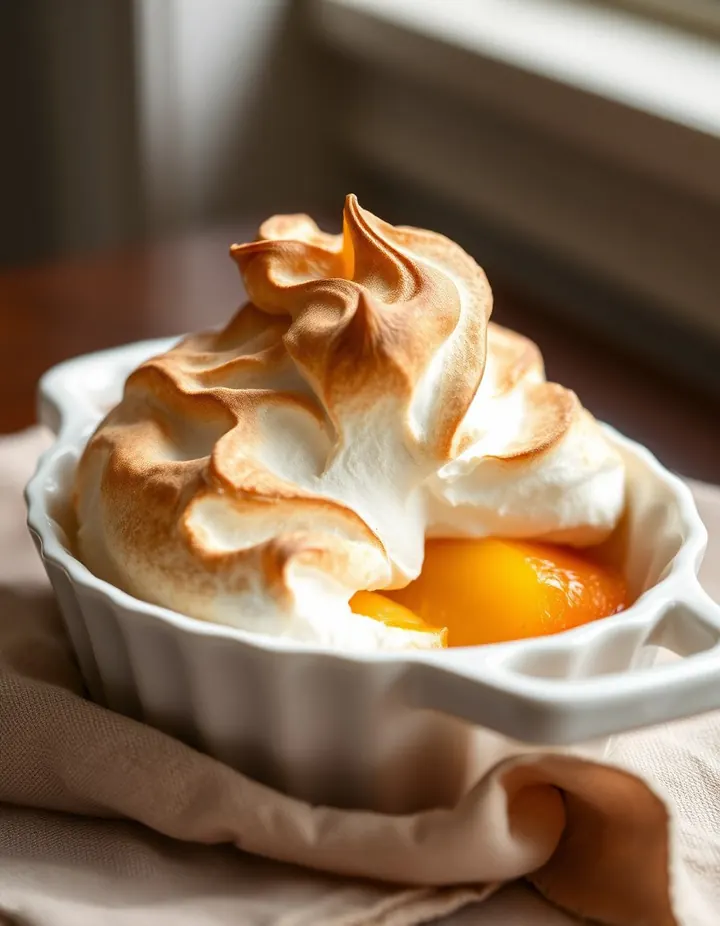 Peach Meringue40 recipes
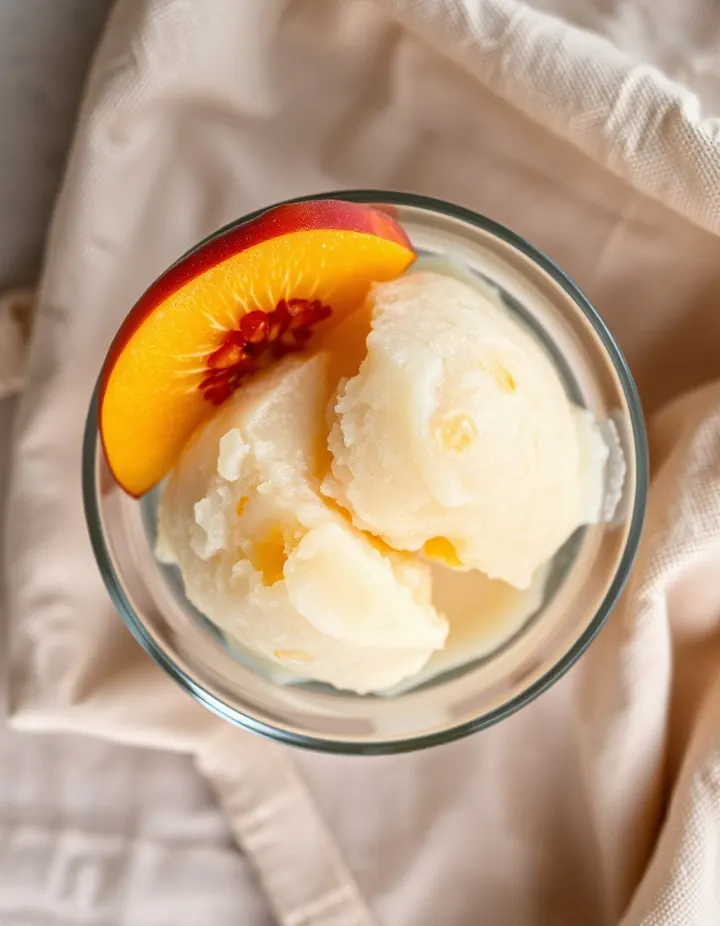 Peach Ice16 recipes
The free Flavor Lab newsletter: one surprising pairing a week and the molecular reason it works, in 60 seconds. No spam, unsubscribe anytime.
Prefer an account? Create a free account to save pairings and unlock the full chemistry.