Why it works: Pepper and potato are a kitchen classic. They rank in the top 9% of all ingredient pairs, and cooks put them together in 8,305 recipes. Both carry 2-isopropyl-3-methoxypyrazine, which smells earthy, pea. The science ↓
Canning Deviled Tongue
Ingredients
Directions
Prepare the tongue
Salt the tongue in the brine for at least five days.
Remove the tongue.
Cook the tongue in boiling water for one hour.
Cool the tongue in cold water.
Cut the tongue into small pieces.
Process the pieces through a sausage machine until it reaches a paste-like consistency.
Make the mixture
Add 5 pounds of veal, treated the same way, to every 20 pounds of tongue.
Mix well.
Add cayenne pepper, mace, and potato flour while mixing.
Can and cook
Put 1 ounce of cold water in the bottom of each can.
Fill each can with the mixture until the water reaches the top.
Seal each can, leaving a small hole.
Insert the sealed cans into boiling water for seven minutes.
Remove the cans from boiling water.
Seal the hole in each can.
Cook the cans in fresh boiling water for 1.5 hours or in salt water for one hour.
Cool the cans top side up in cold water for 15 minutes.
Turn the cans bottom side up until cold.
Transcribed from a scanned cookbook and modernised for today's kitchens. Where the book gave no heat or time, or said "a moderate oven", the temperatures and times here may be modern equivalents rather than the book's own figures.
Explore the science
The flavor team
The pairs that carry this dish. Each one is judged two ways: how much their aromas overlap, and how often cooks already put them together.
-
Pepper + potatotop 9% of all pairsSmell alikemoderateCooked together8,305 recipes
Shared aroma: 2-isopropyl-3-methoxypyrazine (earthy, pea).
-
Potato + flourtop 15% of all pairsSmell alikemoderateCooked together5,355 recipes
Shared aroma: isobutyraldehyde (malty, green).
-
Pepper + macetop 16% of all pairsSmell alikelowCooked together12,257 recipes
Shared aroma: myristicin (spice, warm).
-
Pepper + flourtop 19% of all pairsSmell alikemoderateCooked together50,459 recipes
Shared aroma: isobutyraldehyde (malty, green).
-
Mace + potatotop 20% of all pairsSmell alikelowCooked together288 recipes
Shared aroma: alpha-pinene (pine, turpentine).
Pepper and mace barely smell alike, yet cooks put them together in 12,257 recipes: they work on texture and structure more than aroma.
Ranks compare each pair with 20,000 random ingredient pairs on CompKitchen. How we score pairs
What each ingredient does
- Tongue
- Forms the main body of the paste, giving the dish its meaty texture and bulk.
- Potato flour
- Absorbs moisture and helps bind the paste so it holds together when cooled.
- Cayenne pepper
- Adds heat and pungency that defines the deviled flavour.
- Mace
- Contributes a warm, aromatic spice note to the mixture.
The step that matters
Sealing the hole and the final cooking. The small vent must be sealed before the long final cook so the can does not leak or lose its contents, and the cans should be fully cooled before handling. Heat can build pressure inside sealed containers, so careful sealing matters.
Swap the mace
How well each one fits the dish's main ingredients (pepper, potato, flour):
- Parsleyfits better
- Turmericfits better
- Marjoramfits better
- Macethe original
Fit is the average pairing score against pepper, potato, flour. Candidates are from the same food group and used in at least 100 recipes.
“What each ingredient does” and “The step that matters” were written by Claude from this recipe’s own method and reviewed in samples by CompKitchen.
You might also like
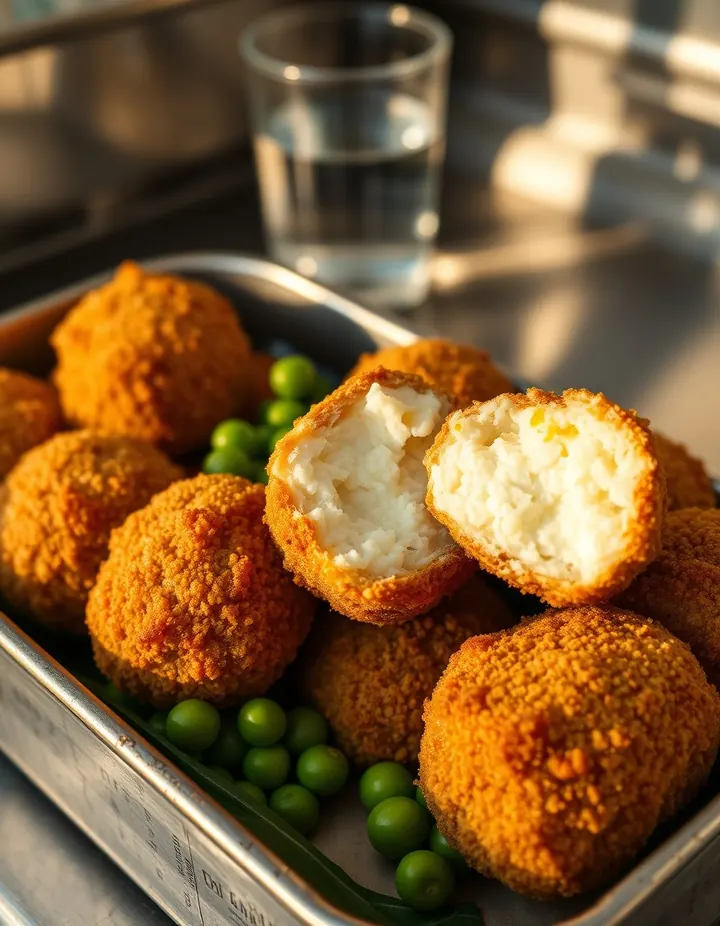 Potato Croquettes255 recipes
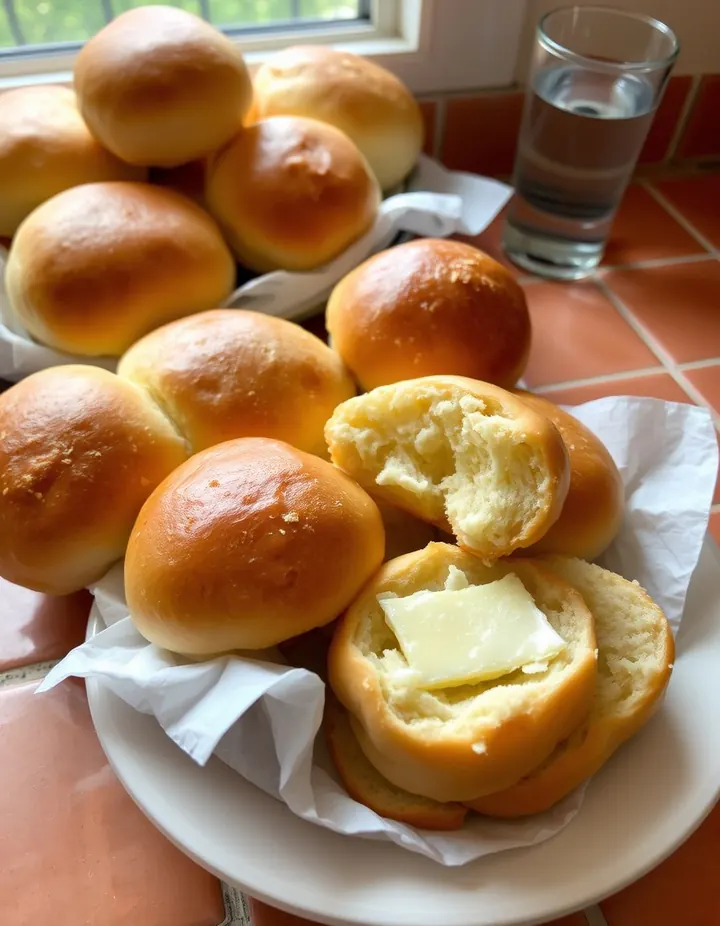 Potato Rolls78 recipes
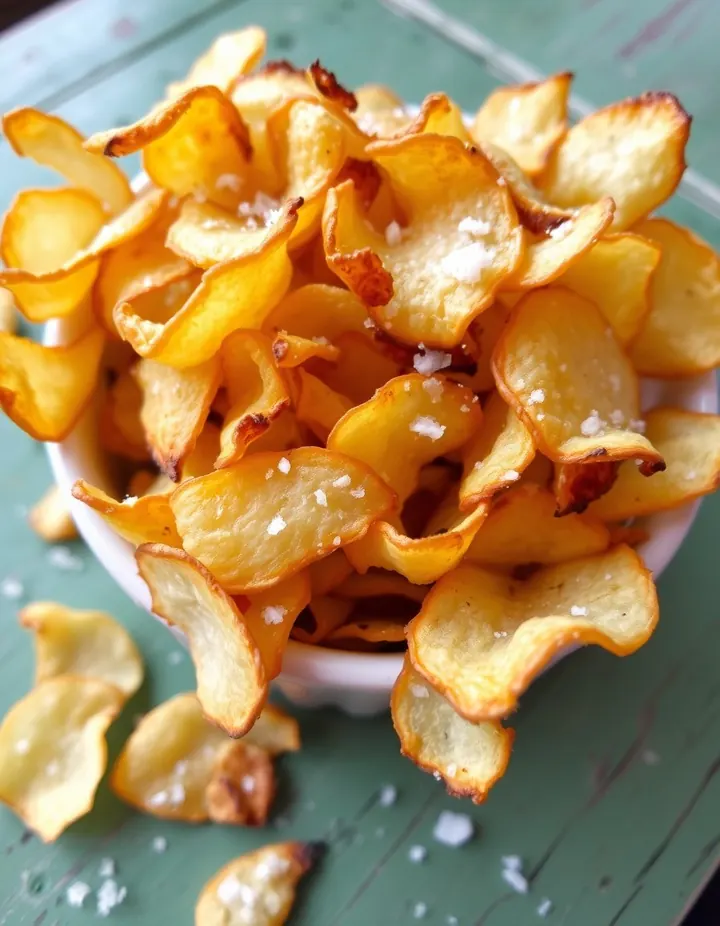 Potato Chips53 recipes
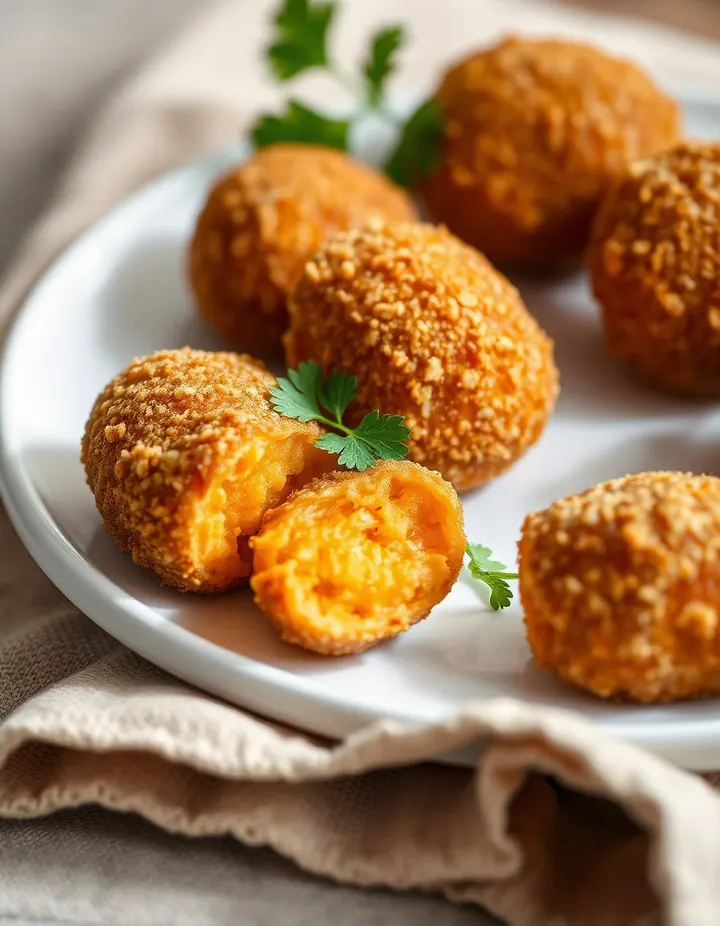 Sweet Potato Croquettes53 recipes
The free Flavor Lab newsletter: one surprising pairing a week and the molecular reason it works, in 60 seconds. No spam, unsubscribe anytime.
Prefer an account? Create a free account to save pairings and unlock the full chemistry.