Why it works: Sugar and lemon are a kitchen classic. They rank in the top 18% of all ingredient pairs, and cooks put them together in 53,532 recipes. Both carry 2-nonenal, which smells fatty, green. The science ↓
To Prepare Gum Paste
Ingredients
Directions
Soften the gum
Soak the gum-dragon in cold water in a covered container for 24 hours.
Wring the soaked gum through a strong cloth.
Make the paste
Place the gum on a marble slab and grind it with your fist, adding lemon juice gradually.
Incorporate the icing sugar gradually until fully absorbed.
Knead in the starch powder and a few drops of blue food coloring for whiteness.
Cover the finished gum paste with a cloth and let it rest in a damp place for 12 hours before use.
Transcribed from a scanned cookbook and modernised for today's kitchens. Where the book gave no heat or time, or said "a moderate oven", the temperatures and times here may be modern equivalents rather than the book's own figures.
Explore the science
The flavor team
The pairs that carry this dish. Each one is judged two ways: how much their aromas overlap, and how often cooks already put them together.
-
Sugar + lemontop 18% of all pairsSmell alikelowCooked together53,532 recipes
Shared aroma: 2-nonenal (fatty, green).
Sugar and lemon barely smell alike, yet cooks put them together in 53,532 recipes: they work on texture and structure more than aroma.
Ranks compare each pair with 20,000 random ingredient pairs on CompKitchen. How we score pairs
What each ingredient does
- Gum-dragon
- Forms the elastic base that gives the paste its structure once softened and worked.
- Icing sugar
- Adds sweetness and stiffens the paste as it is absorbed and kneaded in.
- Starch powder
- Dries the paste and reduces stickiness so it can be handled and shaped.
- Lemon juice
- Adds a little acidity that helps the gum soften and break down during grinding.
The step that matters
Grinding the gum with lemon juice. Gum-dragon hydrates into a stringy mass that must be worked gradually; adding liquid or sugar too fast leaves lumps and uneven texture that resist kneading.
“What each ingredient does” and “The step that matters” were written by Claude from this recipe’s own method and reviewed in samples by CompKitchen.
You might also like
 Lemon Cake228 recipes
 Lemon Ice147 recipes
 Lemon Sherbet103 recipes
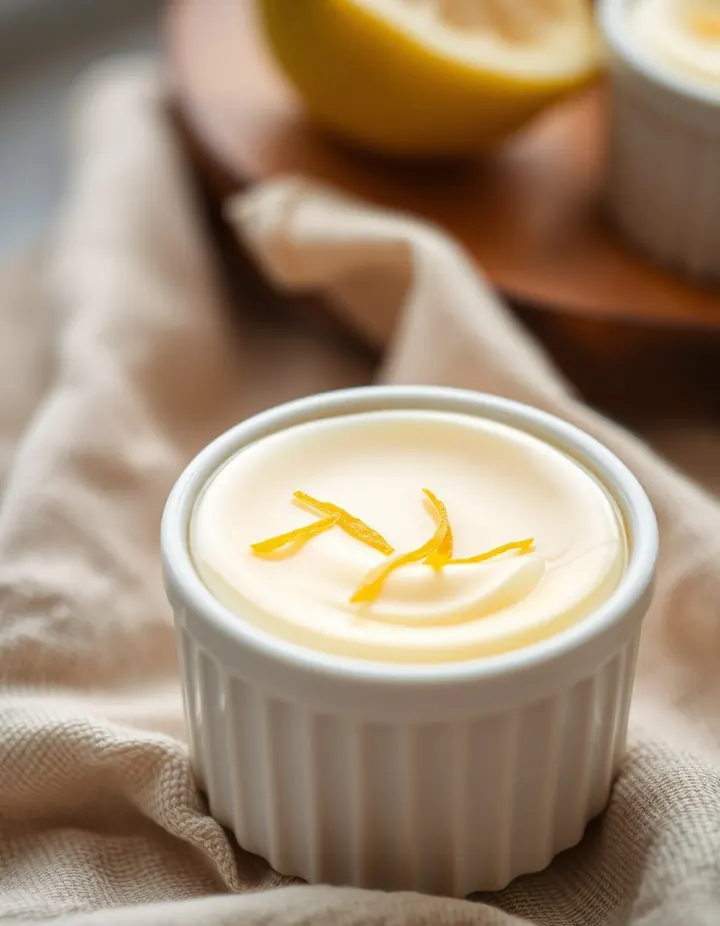 Lemon Custard64 recipes
The free Flavor Lab newsletter: one surprising pairing a week and the molecular reason it works, in 60 seconds. No spam, unsubscribe anytime.
Prefer an account? Create a free account to save pairings and unlock the full chemistry.