Why it works: Syrup and grape work together. They rank in the top 25% of all ingredient pairs, and cooks put them together in 393 recipes. Both carry ethanol, which smells alcoholic, ethereal. The science ↓
Grapes in Candy
Ingredients
Directions
Prepare
Prepare your molds and fill them more than half full with syrup.
Add handfuls of liqueur drops or grapes, pressing them down to the bottom.
Set and finish
Place the filled molds in the stove.
After one hour, cover them with fresh syrup boiled to the finish.
Three hours later, strain off the syrup.
Once dry, turn them out on a table and separate them by hand.
Transcribed from a scanned cookbook and modernised for today's kitchens. Where the book gave no heat or time, or said "a moderate oven", the temperatures and times here may be modern equivalents rather than the book's own figures.
Explore the science
The flavor team
The pairs that carry this dish. Each one is judged two ways: how much their aromas overlap, and how often cooks already put them together.
-
Syrup + grapetop 25% of all pairsSmell alikelowCooked together393 recipes
Shared aroma: ethanol (alcoholic, ethereal).
Ranks compare each pair with 20,000 random ingredient pairs on CompKitchen. How we score pairs
What each ingredient does
- Syrup
- Forms the sugar coating that hardens into a glossy, crisp shell around the grapes.
- Liqueur drops or grapes
- Provide the fruit or flavored centre that the sugar coating encloses.
The step that matters
Covering with fresh syrup boiled to the finish. Sugar syrup must reach the correct concentration to set into a hard, dry shell. Underheated syrup stays sticky, while overheated syrup can crystallise or turn bitter, so the temperature has to be right before it is poured.
“What each ingredient does” and “The step that matters” were written by Claude from this recipe’s own method and reviewed in samples by CompKitchen.
You might also like
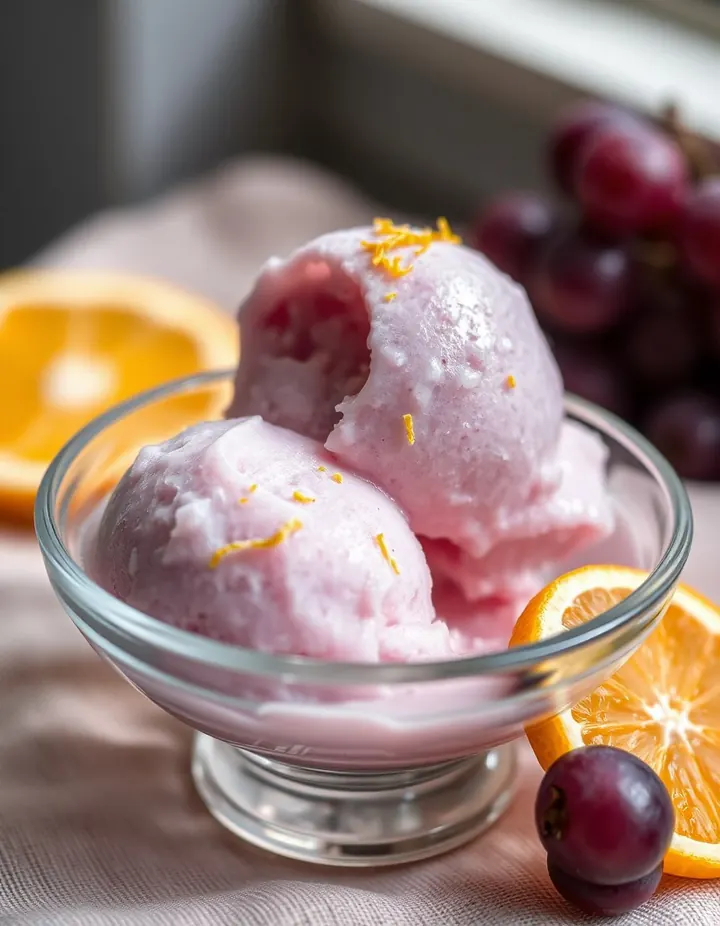 Grape Sherbet32 recipes
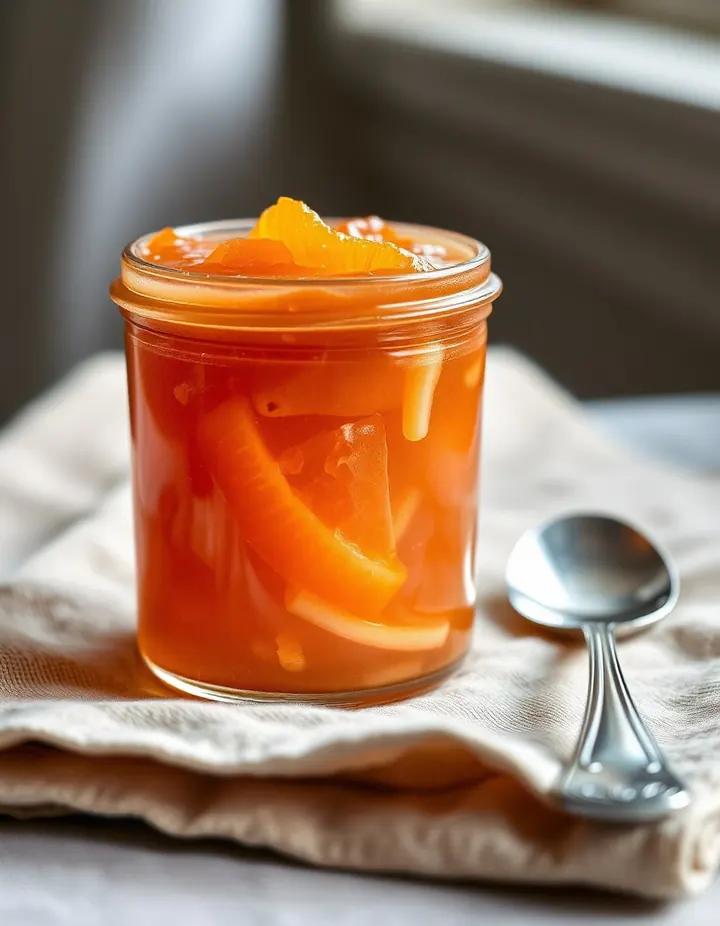 Grapefruit Marmalade16 recipes
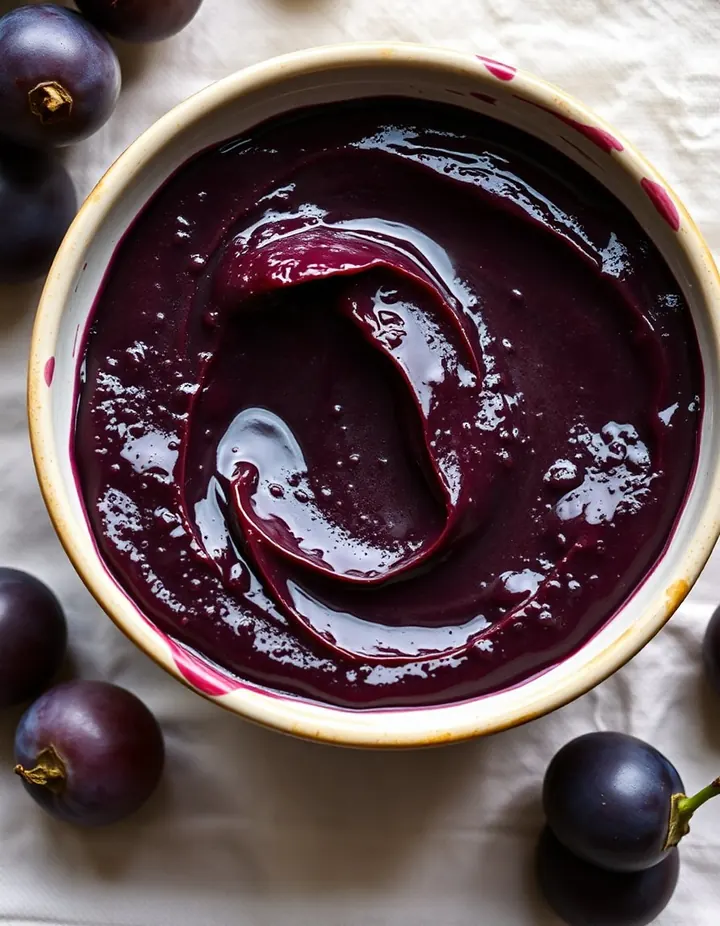 Grape Butter9 recipes
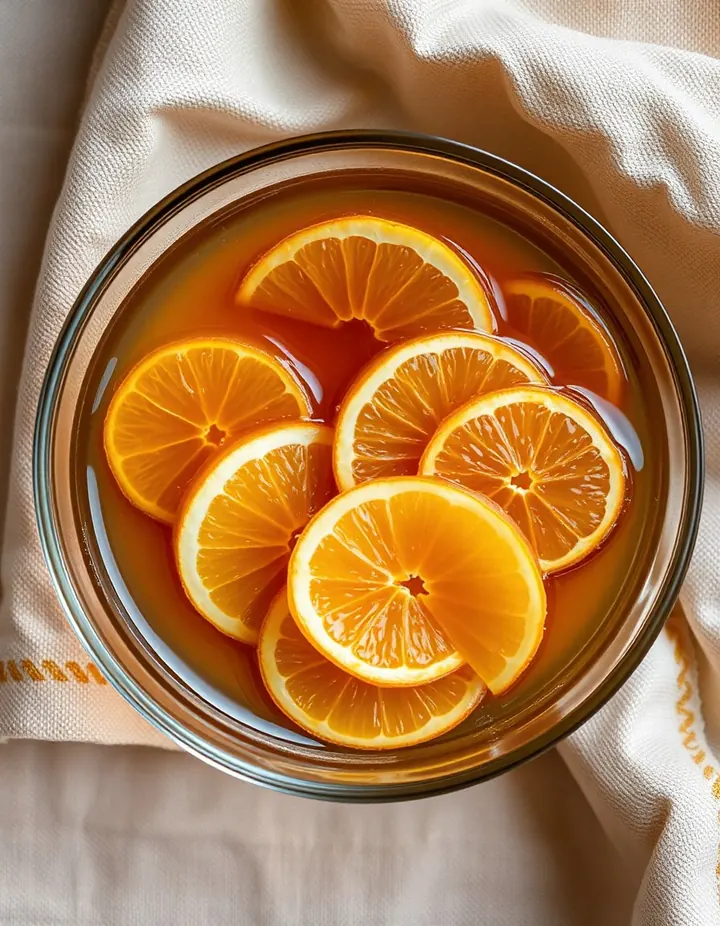 Oranges in Syrup9 recipes
The free Flavor Lab newsletter: one surprising pairing a week and the molecular reason it works, in 60 seconds. No spam, unsubscribe anytime.
Prefer an account? Create a free account to save pairings and unlock the full chemistry.