Why it works: Biscuit and saffron share more aroma than cooks usually use. They rank in the top 7% of all ingredient pairs, and cooks put them together in 20 recipes. Both carry nonanal, which smells fat, citrus. The science ↓
Marble Biscuits
Ingredients
Directions
Prepare the colors
Divide the Savoy biscuit paste into four parts.
Dissolve the chocolate and mix it with two of the portions in unequal quantities for dark and light colors.
Mix vegetable carmine with a little saffron to create an orange color; use it to color the other two portions, one pale and one deep.
Bake and shape
Prepare a paper case and layer the colored pastes using a spoon to intermix them.
Bake until set, then cut into shapes resembling variegated marble.
Transcribed from a scanned cookbook and modernised for today's kitchens. Where the book gave no heat or time, or said "a moderate oven", the temperatures and times here may be modern equivalents rather than the book's own figures.
Explore the science
The flavor team
The pairs that carry this dish. Each one is judged two ways: how much their aromas overlap, and how often cooks already put them together.
-
Biscuit + saffrontop 7% of all pairsSmell alikestrongCooked together20 recipes
Shared aroma: nonanal (fat, citrus).
-
Biscuit + chocolatetop 15% of all pairsSmell alikemoderateCooked together334 recipes
Shared aroma: nonanal (fat, citrus).
-
Chocolate + saffrontop 29% of all pairsSmell alikelowCooked together50 recipes
Shared aroma: linalool (floral, citrus).
Ranks compare each pair with 20,000 random ingredient pairs on CompKitchen. How we score pairs
What each ingredient does
- Savoy biscuit paste
- Forms the sponge structure that holds the colored swirls as it bakes.
- Chocolate
- Adds deep brown color and a cocoa flavor to the darker portions.
- Vegetable carmine
- Provides the red-orange coloring that gives the marbled pattern its contrast.
The step that matters
Layering and intermixing the colored pastes. Using a spoon to lightly swirl the layers creates the marbled pattern; overmixing blends the colors into a uniform tint, while leaving them unmixed gives streaks rather than a marble effect.
Swap the saffron
How well each one fits the dish's main ingredients (biscuit, chocolate):
- Cinnamonfits better
- Capersfits better
- Nutmegfits better
- Saffronthe original
Fit is the average pairing score against biscuit, chocolate. Candidates are from the same food group and used in at least 100 recipes.
“What each ingredient does” and “The step that matters” were written by Claude from this recipe’s own method and reviewed in samples by CompKitchen.
You might also like
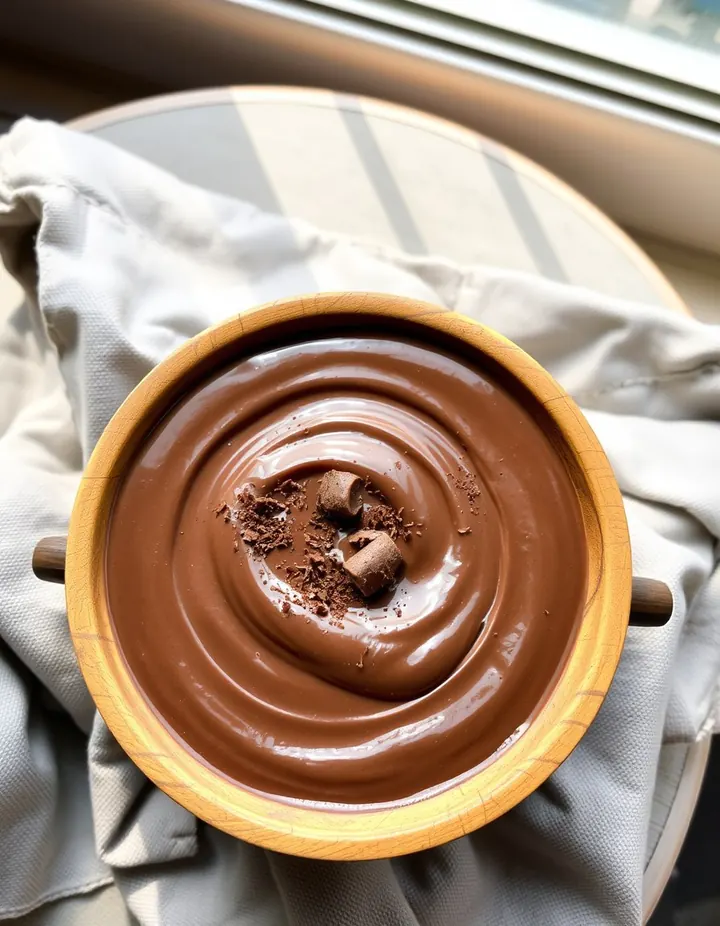 Chocolate Cream171 recipes
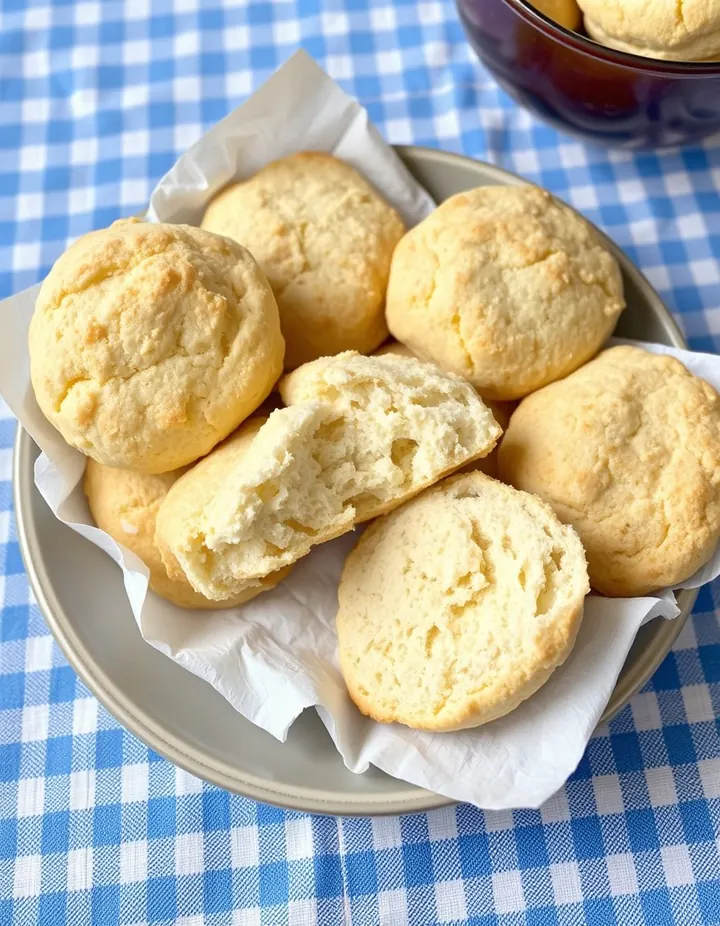 Baking Powder Biscuit119 recipes
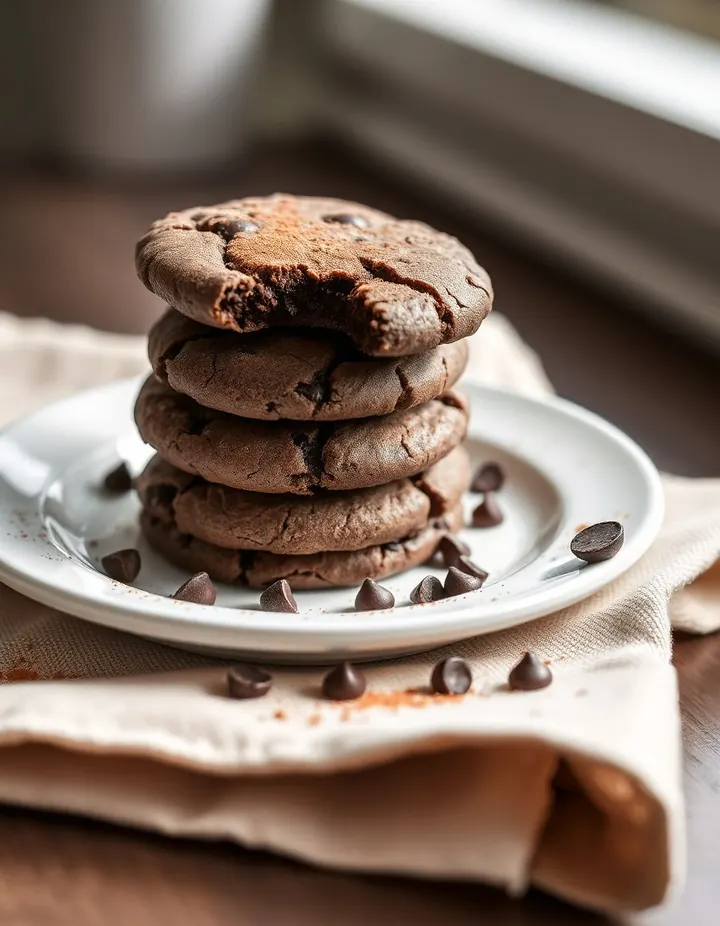 Chocolate Cookies76 recipes
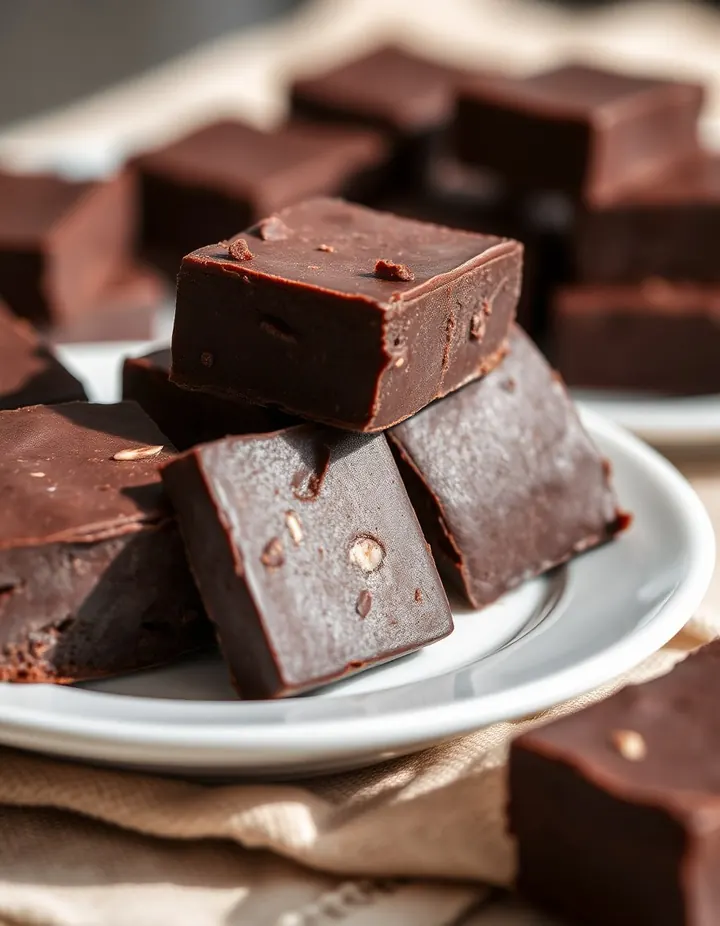 Chocolate Fudge55 recipes
The free Flavor Lab newsletter: one surprising pairing a week and the molecular reason it works, in 60 seconds. No spam, unsubscribe anytime.
Prefer an account? Create a free account to save pairings and unlock the full chemistry.