Why it works: Sugar and corn are a kitchen classic. They rank in the top 21% of all ingredient pairs, and cooks put them together in 7,168 recipes. Both carry 2-nonenal, which smells fatty, green. The science ↓
Corn Puff or Brittle
Ingredients
Directions
Make the syrup
Boil water, glucose, and sugar at 290°F (143°C).
Once boiling, remove from heat and stir in popped corn until the mixture is fairly stiff.
Add soda and set
Dissolve baking soda in a small amount of milk and add to the mixture.
Spread the mixture inside a frame to cool.
For a juicier version, use 5 lbs of glucose and 5 lbs of sugar, boiling only to 265°F (129°C).
Transcribed from a scanned cookbook and modernised for today's kitchens. Where the book gave no heat or time, or said "a moderate oven", the temperatures and times here may be modern equivalents rather than the book's own figures.
Explore the science
The flavor team
The pairs that carry this dish. Each one is judged two ways: how much their aromas overlap, and how often cooks already put them together.
-
Sugar + corntop 21% of all pairsSmell alikelowCooked together7,168 recipes
Shared aroma: 2-nonenal (fatty, green).
Ranks compare each pair with 20,000 random ingredient pairs on CompKitchen. How we score pairs
What each ingredient does
- Glucose
- Inhibits sugar crystallization, keeping the brittle smooth rather than grainy.
- Sugar
- Provides sweetness and, once boiled hot enough, the hard, crisp set.
- Baking soda
- Releases gas into the hot syrup, creating bubbles that lighten the texture and make it brittle.
- Popped corn
- Forms the bulk of the brittle, held together by the cooked syrup.
The step that matters
Boiling to the stated temperature. The final temperature sets how much water remains in the syrup. Higher temperatures leave less water, producing a harder, crisper brittle, while lower temperatures give a softer, chewier result.
“What each ingredient does” and “The step that matters” were written by Claude from this recipe’s own method and reviewed in samples by CompKitchen.
You might also like
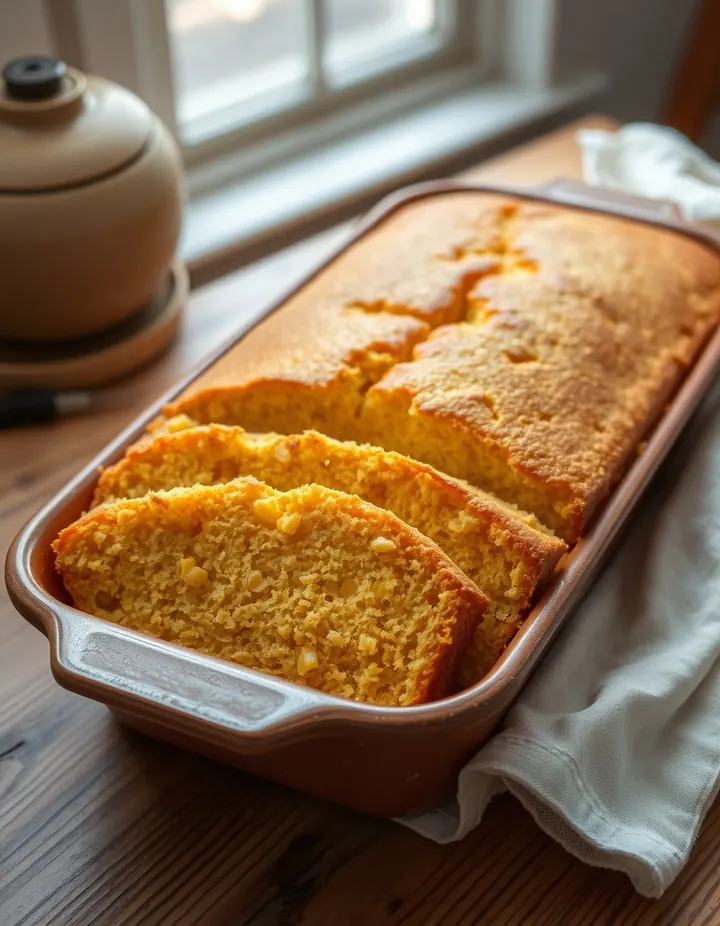 Corn Cake90 recipes
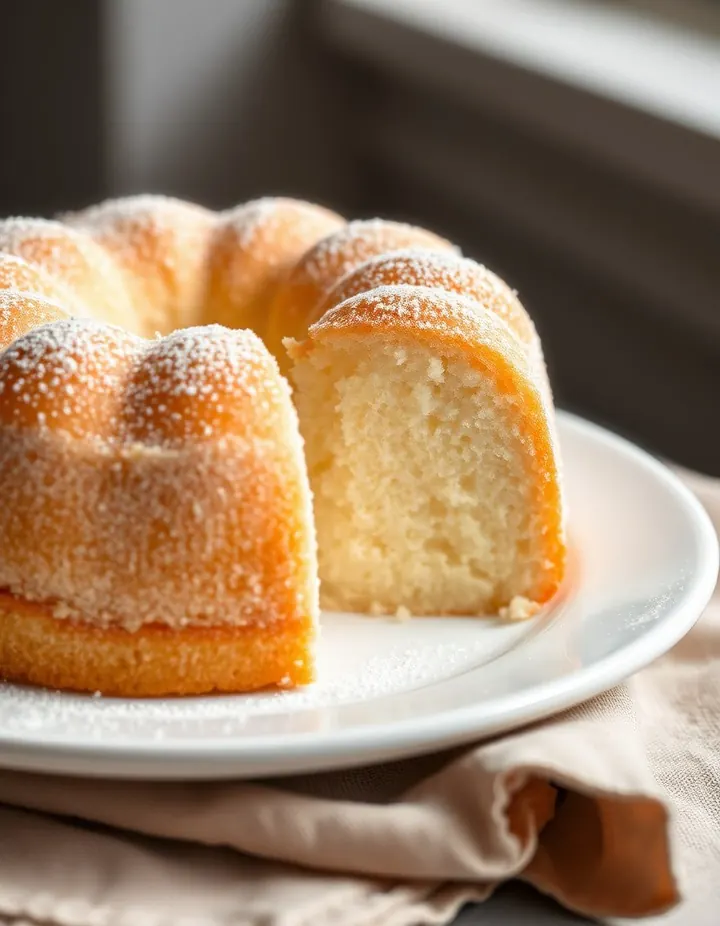 Corn Starch Cake89 recipes
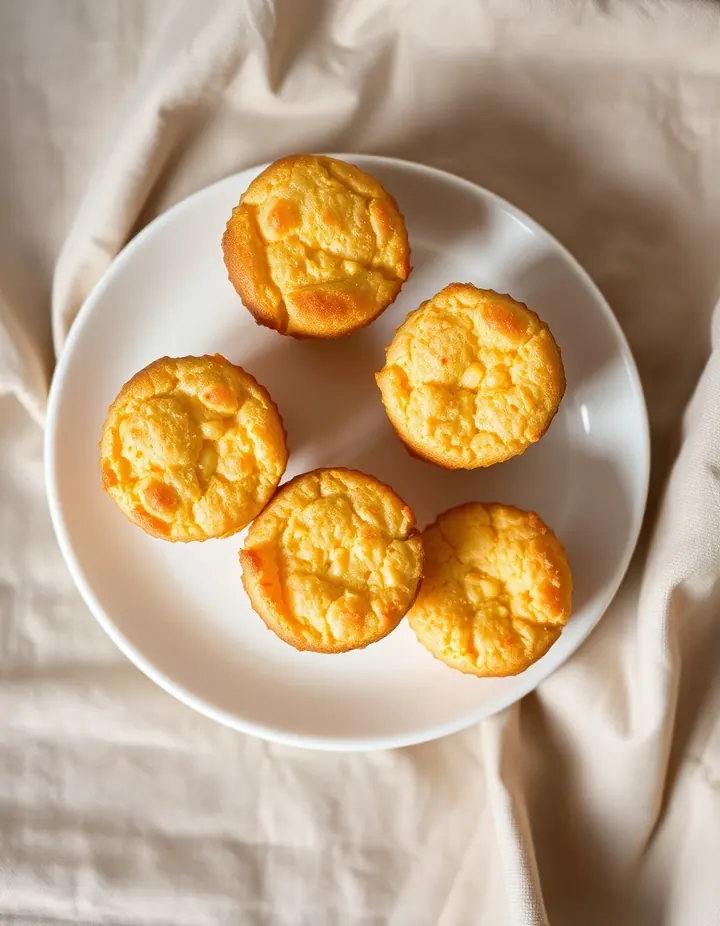 Corn Cakes22 recipes
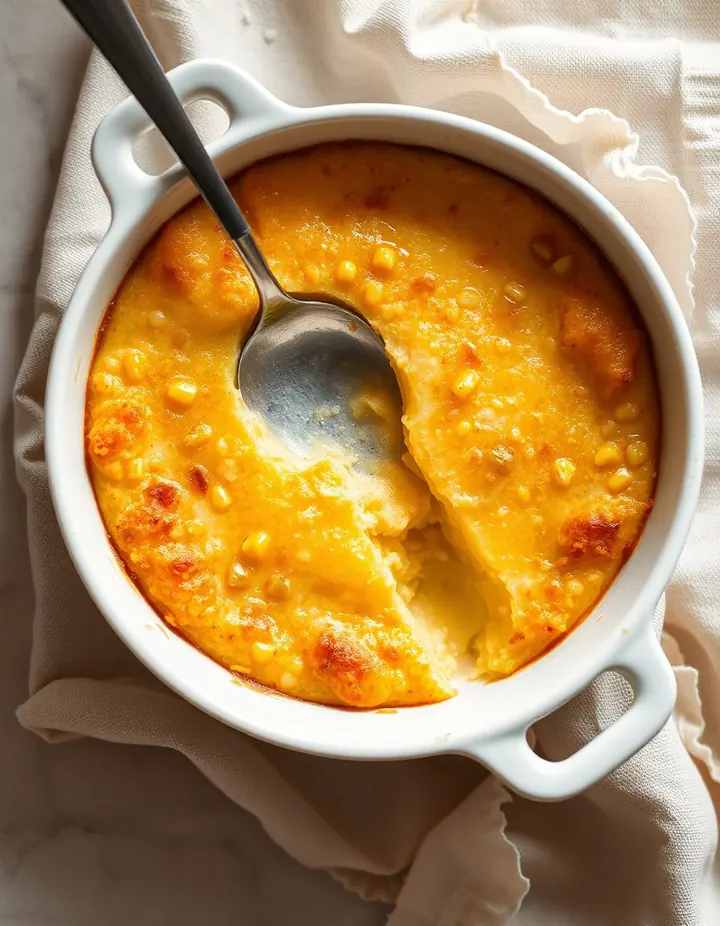 Green Corn Pudding14 recipes
The free Flavor Lab newsletter: one surprising pairing a week and the molecular reason it works, in 60 seconds. No spam, unsubscribe anytime.
Prefer an account? Create a free account to save pairings and unlock the full chemistry.